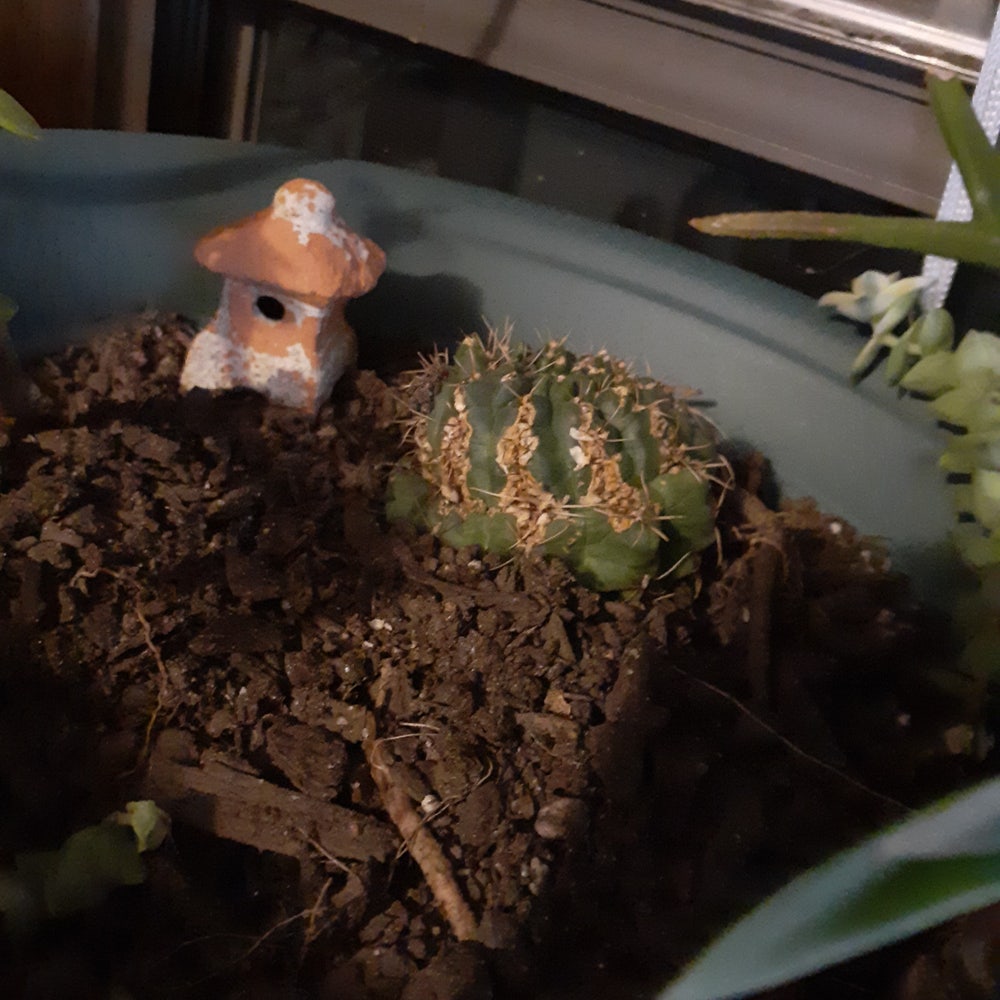
What Do I Do About Echinofossulocactus Palmillas Root Rot?
Stenocactus nova 'Palmillas'
By the Greg Editorial Team
Feb 29, 2024•3 min read
This article was created with the help of AI so we can cover more plants for you. May contain errors. See one? Report it here.
Rescue your cactus 🌵 from root rot's clutches and prevent future outbreaks with this life-saving guide!
- Yellow leaves and soft stems signal root rot in Echinofossulocactus.
- Remove diseased roots, apply fungicide, and adjust care post-treatment.
- Prevent future rot with well-draining soil and careful watering.
Spotting the Red Flags: Symptoms of Root Rot in Your Cactus
🚩 Visual Distress Signals
Yellowing leaves on your Echinofossulocactus palmillas aren't a fashion statement; they're a cry for help. A cactus that's more wilted than a week-old salad is telling you something's wrong. Softening of the stem, where it feels like a squishy banana, is a major red flag.
🕳 Below the Surface
When the soil smells like a forgotten gym locker, it's time to suspect root rot. If the roots of your cactus have the consistency of mushy peas, you're in trouble. Discoloration, with roots turning from a healthy white to a sinister brown or black, is a sign of advanced root rot.
The Rescue Mission: Treating Root Rot
🏥 Surgical Precision
Carefully extract your Echinofossulocactus palmillas from its pot; this is where precision meets purpose. Inspect the roots, looking for firm, white ones—these are the keepers. Mushy, discolored roots are trouble; they've got to go.
🪒 Cut and Cure
With sterilized shears, remove all the affected roots. Cut a bit into the healthy tissue to ensure no rot is left behind. After the amputation, it's time for a fungicide bath—think of it as a shield against future fungal foes. Let the roots air out completely; patience here is key.
🏨 Post-Op Care
Adjust your cactus's care routine like you're tuning a vintage radio—gently and with precision. Water only when the soil is bone-dry, and keep the plant in a spot with bright, indirect sunlight. Watch for new growth; it's the green flag of recovery.
Rebuilding Strong Foundations: Repotting After Root Rot
🌵 Choosing the Right Soil
Selecting well-draining soil is non-negotiable for your Echinofossulocactus palmillas. A commercial cactus mix or a homemade concoction of potting soil with 70-80% mineral grit like pumice or perlite is your ticket to a happy cactus. Avoid heavy, moisture-loving mixes at all costs.
🏺 The Repotting Process
🌱 Step 1: The Right Pot
Choose a pot slightly larger than the last; excess space is just an invitation for moisture to loiter. Drainage holes? Non-negotiable. A layer of gravel or broken pottery at the bottom is like a good drainage system in a flood zone.
🌵 Step 2: The Cactus Placement
Center your cactus in the new pot. Surround it with your soil mix, but don't get too cozy—leave the top of the root ball just below the rim. No watering for the first week. Think of it as a dry spell for healing.
🌱 Step 3: Post-Repotting Care
After the week's up, water sparingly. Let the soil dry out between waterings to avoid a soggy sequel. Keep an eye on your cactus; this is the make-or-break period where it settles into its new abode.
Fortifying Defenses: Preventing Future Root Rot
💧 Watering Wisdom
Watering is more art than science when it comes to cactus care. To prevent root rot, the soil should be allowed to dry between waterings. Check the top inch of soil; if it's dry, it's time to water. If not, give it a breather. Consider a moisture meter to eliminate guesswork—your cactus's thirst detector.
🌬️ Environmental Shielding
Airflow is crucial. Position your Echinofossulocactus palmillas in a spot where air moves freely to wick away moisture. A gentle fan can help simulate a natural breeze. Humidity needs a watchful eye. Use a hygrometer to keep levels optimal, and adjust your environment with dehumidifiers or open windows as needed. Remember, cleanliness is next to cactus godliness—keep the area free of debris and standing water.
⚠️ Safety First
This content is for general information and may contain errors, omissions, or outdated details. It is not medical, veterinary advice, or an endorsement of therapeutic claims.
Always consult a qualified healthcare professional before using any plant as food, medicine, or supplement.
Never eat any plant (or feed one to pets) without confirming its identity with at least two trusted sources.
If you suspect poisoning, call Poison Control (800) 222-1222, the Pet Poison Helpline (800) 213-6680, or your local emergency service immediately.
Spotted an error? Please report it here.
Ensure your Echinofossulocactus bounces back from root rot by following Greg's tailored watering plan 🌵, designed to prevent overwatering and promote healthy growth.