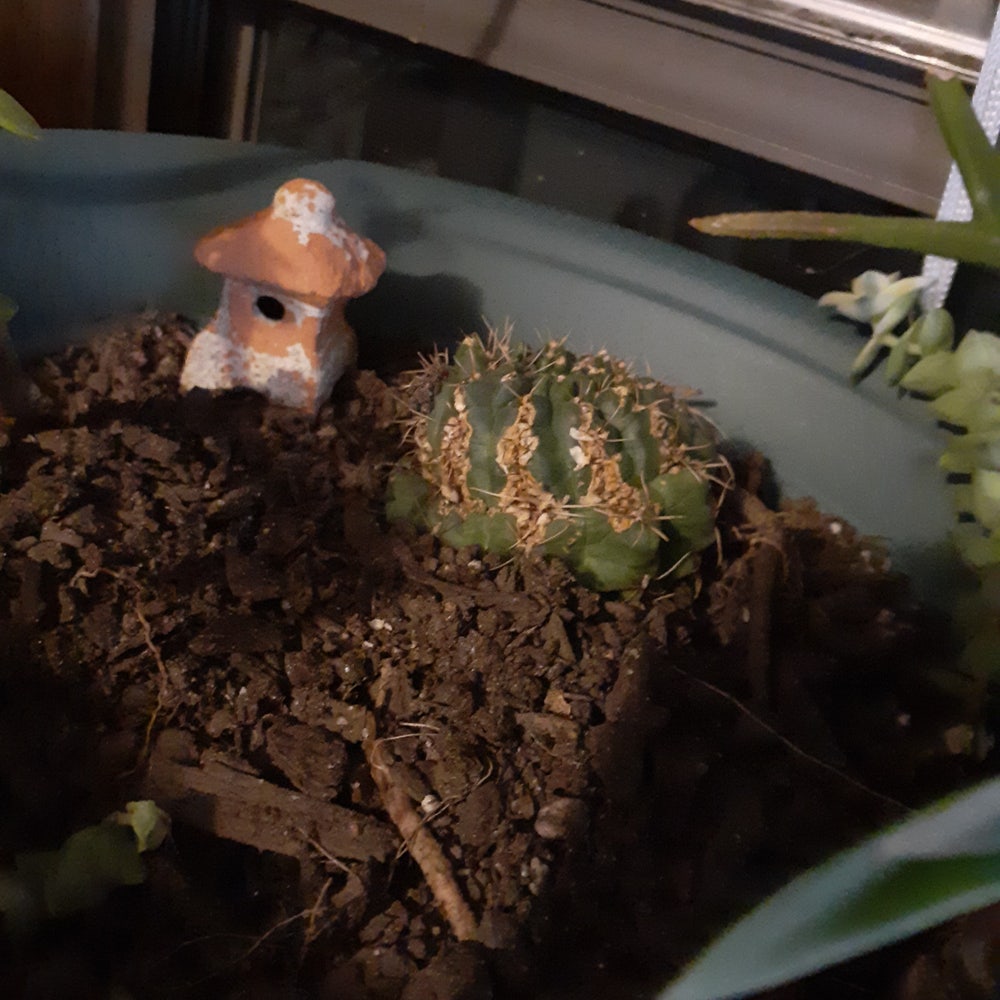
Echinofossulocactus Palmillas Leaves Falling Over
Stenocactus nova 'Palmillas'
By the Greg Editorial Team
Mar 02, 2024•4 min read
This article was created with the help of AI so we can cover more plants for you. May contain errors. See one? Report it here.
Stop the slump 🌵—learn to keep your Echinofossulocactus perky and healthy with our vital care guide!
- Spot distress early: wilted leaves, discoloration, and mushy texture.
- Water wisely: avoid swollen stems from overwatering and browning tips from underwatering.
- Proper light and support: rotate for even growth and repot if leaning.
Spotting Trouble Early
🌵 Signs Your Cactus is Unhappy
Regular checks are the backbone of cactus care. Look for leaves that have the enthusiasm of a wilted salad; they're a sign your cactus is in distress. Discoloration and a texture resembling overcooked vegetables mean your cactus is sending an SOS.
🚨 When to Take Action
The moment your cactus starts to look more deflated than your ambitions on a Monday, it's time to intervene. If the leaves are as limp as a forgotten celery stick in the fridge, don't wait. Act before your cactus turns into a sad, droopy mess.
The Balancing Act of Watering
🚱 Too Much Love: Overwatering Woes
Swollen stems and mushy roots are your cactus's way of saying, "Ease up on the H2O!" If the soil feels like a damp sponge, it's time to skip the watering can. Good drainage is as essential as a clear windpipe—ensure those holes aren't clogged.
🏜️ Thirsty Spikes: The Perils of Underwatering
Conversely, a cactus with browning tips and dry soil is more parched than a desert nomad. When the soil feels like the Sahara, it's time to act. Quench your cactus's thirst with a thorough soak, allowing water to drain freely. Then, let the soil dry out to the touch before the next watering. Remember, consistency is key—your cactus craves routine like we crave our morning coffee.
Let There Be Light (But Not Too Much)
🌞 Finding the Sweet Spot for Sunlight
Echinofossulocactus palmillas demands bright, indirect light. Direct sunlight can lead to sunburn, while insufficient light causes the plant to stretch awkwardly. To ensure your cactus isn't reaching for the stars or getting a solar scorch, assess your lighting.
Rotate your plant regularly to promote even growth. If your indoor lighting is more reminiscent of a dimly lit alley than a sunny park, consider introducing grow lights. Keep these artificial suns at a safe distance to avoid leaf burn.
🌑 Avoiding the Shadows
Etiolation is a telltale sign of a light-starved cactus. If your plant is stretching out like it's trying to escape, it's time to relocate it to a brighter spot. Transition gradually to prevent shock.
Use sheer curtains to diffuse intense sunlight during peak hours, creating a gentle canopy of light. Remember, the goal is to mimic the natural habitat, not to replicate the surface of the sun in your living room. Keep an eye on seasonal shifts in light exposure and adjust your plant's position accordingly. If all else fails, a light meter can be your guide to the perfect lumens for your spiky friend.
Immediate Rescue Operations
🌵 Adjusting Care to Stop the Droop
If your Echinofossulocactus palmillas is looking more like a weeping willow, it's time to act. First, check the soil; if it's drier than a stand-up comedian's wit, water it thoroughly. Conversely, if it's more waterlogged than a sunken ship, let it dry out before it gets another sip. Next, consider a support system; use stakes or soft ties to prop up your cactus, ensuring it's snug but not squeezed. This is a temporary fix, so don't skip the next steps.
🚑 Emergency Repotting?
When your cactus is leaning like it's trying to escape the pot, it might be time to repot. Choose a new home that's just right—not too big, not too small, and with drainage holes to avoid future water woes. Terracotta or ceramic pots are your allies here, wicking away excess moisture. When repotting, handle with care, center the cactus, and use a well-draining soil mix. Remember, this is cactus surgery; it's delicate but sometimes necessary. After the operation, adjust your watering habits and keep an eye out for signs of recovery or distress. Patience is key—your cactus won't stand up overnight, but with the right care, it'll get there.
⚠️ Safety First
This content is for general information and may contain errors, omissions, or outdated details. It is not medical, veterinary advice, or an endorsement of therapeutic claims.
Always consult a qualified healthcare professional before using any plant as food, medicine, or supplement.
Never eat any plant (or feed one to pets) without confirming its identity with at least two trusted sources.
If you suspect poisoning, call Poison Control (800) 222-1222, the Pet Poison Helpline (800) 213-6680, or your local emergency service immediately.
Spotted an error? Please report it here.
Ensure your Echinofossulocactus remains upright and thriving 🌵 with Greg's personalized care reminders, helping you adjust routines seamlessly for a happy, healthy cactus.