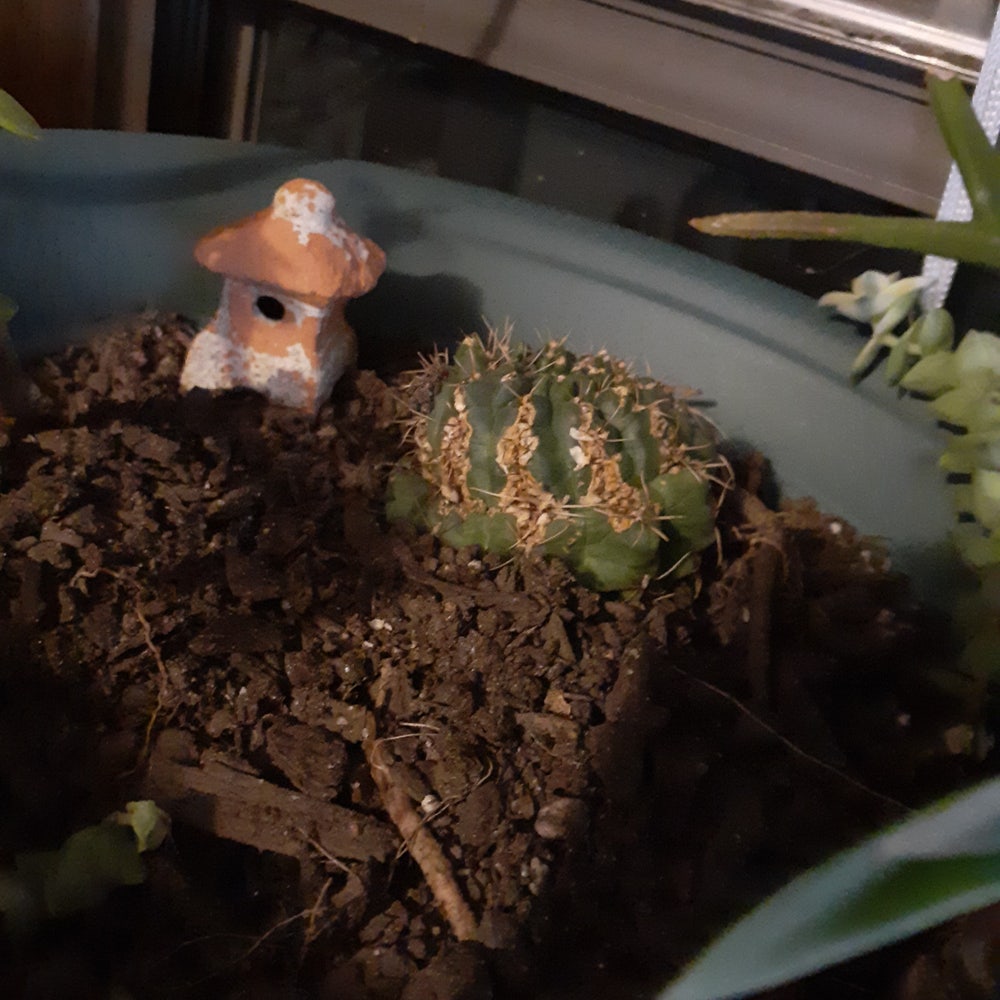
Your Echinofossulocactus palmillas's Light Requirements
Stenocactus nova 'Palmillas'
By the Greg Editorial Team
Feb 29, 2024•4 min read
This article was created with the help of AI so we can cover more plants for you. May contain errors. See one? Report it here.
Ensure vibrant Echinofossulocactus blooms by mastering its unique light needs. 🌞🌵
- 🌞 Full sun with afternoon shade is ideal for Echinofossulocactus palmillas.
- South-facing windows best for indoor growth; use grow lights for 6 hours.
- Adjust light with seasons to encourage blooming and prevent sunburn.
Basking in the Right Rays: Outdoor Light Perfection
💡 Ideal Sunlight Conditions
The sweet spot for Echinofossulocactus palmillas is full sun with a bit of afternoon shade. This cactus loves to soak up the rays, but just like us, it can have too much of a good thing. Aim for a location that basks in the morning sunlight and gets some respite when the sun is at its peak.
💡 Times of Day and Seasonal Considerations
Morning light is your cactus's best friend, offering a gentle touch compared to the harsh midday sun. As the seasons shift, so should your awareness of light exposure. Summer demands more shade, while winter calls for maximizing those precious hours of sun.
💡 Protecting Your Cactus from Too Much Love
Sunburn on Echinofossulocactus palmillas shows up as yellowing or browning. It's a sign to dial back the sunlight. If your cactus is looking like a lobster after a day at the beach, it's time to intervene.
💡 Strategies for Shading and Sun Protection
When the sun gets too enthusiastic, shade cloth or a strategically placed umbrella can save the day. Think of it as applying sunscreen to your spiky friend. During the scorching summer months, a little afternoon shade will keep your cactus from crying out for aloe vera.
Indoor Sunbathing: Finding the Light Inside
🌞 Window Wisdom
South-facing windows are the gold standard for your Echinofossulocactus palmillas when growing indoors. They provide a consistent stream of sunlight that this cactus species craves. However, if your home's design is playing hard to get with south-facing options, east or west-facing windows can serve as a decent understudy, offering a fair share of the sun's rays.
To gauge if your cactus is soaking up enough sunlight, observe its posture. A cactus stretching towards the light or sporting a lackluster color is signaling an SOS for more sun. Keep it within 3 feet of the window to avoid the drama of sunburn or shade-induced growth spurts.
💡 Grow Lights: The Indoor Sun Substitute
Choosing the right grow light is like picking a stand-in for the sun. Go for one that caters to the specific light appetite of your Echinofossulocactus palmillas. The goal is to mimic the natural sunlight conditions without turning your cactus into a crispy critter.
Set up your grow lights to bask your cactus in artificial sunshine for about 6 hours a day. This should coincide with the natural daylight cycle to keep your cactus's internal clock ticking correctly. Remember, too much of a good thing can lead to a sunburn, so monitor and adjust the intensity as needed.
Let There Be Blooms: Light's Role in Flowering
💡 Triggering the Flower Power
To spark the flowering of Echinofossulocactus palmillas, light isn't just important—it's essential. The dance of light duration and intensity plays a leading role in coaxing out those coveted blooms.
🌞 How Light Influences Flowering
Bright, indirect light is the sweet spot for this cactus to show off its flowers. Too much direct sunlight can be harsh, leading to a sunburnt plant rather than a blooming one. Aim for a balance that mimics the plant's natural, dappled-light habitat.
🏜️ Adjusting Light for Blooming
If your cactus is indoors and the blooms are shy, consider grow lights. These artificial suns can be tuned to provide the right amount of light for longer periods, especially during the shorter days of winter. Keep an eye out for signs of distress, though—no one likes a sunburn, not even cacti.
🌱 Encouraging Flower Power
Adjust your Echinofossulocactus palmillas's position with the seasons to ensure consistent light exposure. This helps maintain the plant's natural rhythm and promotes blooming. Patience is key; even with optimal lighting, flowers may take time to appear. If natural light is lacking, a full-spectrum grow light can simulate ideal conditions for your plant to initiate flowering.
⚠️ Safety First
This content is for general information and may contain errors, omissions, or outdated details. It is not medical, veterinary advice, or an endorsement of therapeutic claims.
Always consult a qualified healthcare professional before using any plant as food, medicine, or supplement.
Never eat any plant (or feed one to pets) without confirming its identity with at least two trusted sources.
If you suspect poisoning, call Poison Control (800) 222-1222, the Pet Poison Helpline (800) 213-6680, or your local emergency service immediately.
Spotted an error? Please report it here.
Ensure your Echinofossulocactus palmillas gets just the right amount of sunshine 🌞 with Greg's season-adjusted light reminders for that perfect bloom.