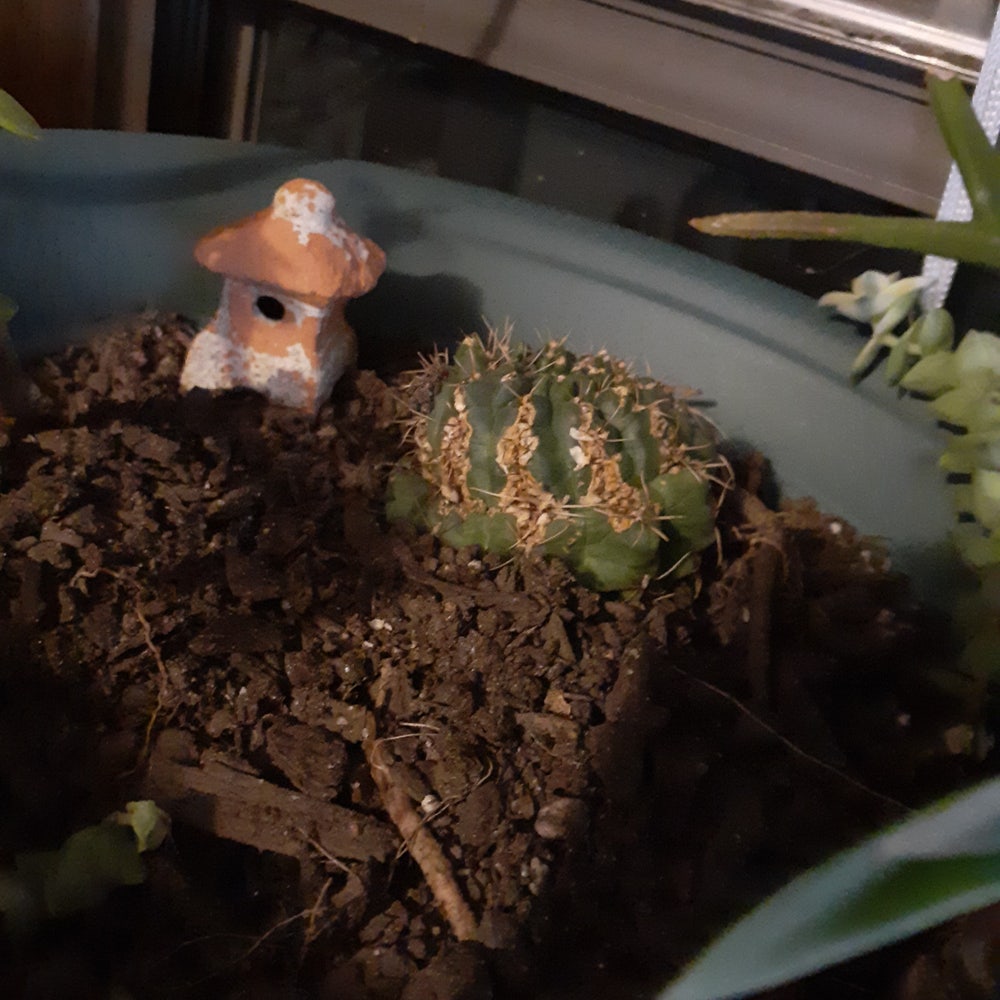
Why Are My Echinofossulocactus palmillas Leaves Curling?
Stenocactus nova 'Palmillas'
By the Greg Editorial Team
Mar 15, 2024•5 min read
This article was created with the help of AI so we can cover more plants for you. May contain errors. See one? Report it here.
Unravel the secret behind your cactus's leaf curls and ensure its peak health with our guide! 🌵🔍
- 🌵 Sunlight and temperature stress can lead to leaf curling.
- 💧 Proper watering and drainage are essential for cactus health.
- 🕵️♂️ Regular inspections prevent pests and diseases, ensuring a happy cactus.
Spotting the Culprits: Causes of Leaf Curling
🌞 Environmental Stressors
Sunlight can be a double-edged sword for your Echinofossulocactus palmillas. Too much of it, and your cactus starts curling its leaves to defend against the onslaught. Not enough, and it'll curl in a desperate reach for more. It's all about finding that Goldilocks zone of bright, indirect light.
Temperature is another fickle factor. These cacti crave consistency; too hot or too cold, and they'll throw a fit. Keep them away from drafts and direct heat sources to avoid temperature-induced tantrums.
💧 Water Woes
Watering your cactus is less about sticking to a schedule and more about reading the room—or in this case, the soil. If it's dry, give it a drink; if it's damp, hold off. Overwatering is a surefire way to make your cactus miserable, leading to root rot and, you guessed it, leaf curling.
Drainage is crucial. Your cactus hates wet feet as much as you hate stepping in a puddle with socks on. Ensure your potting mix is well-draining and your container has proper drainage holes to keep those roots happy and healthy.
Nipping Problems in the Bud: Immediate Remedies
🌞 Calming Environmental Chaos
Shielding from the Sun
Your cactus craves sunlight, but too much can cause a serious sunburn. Shade cloth is your go-to during those scorching summer months. Think of it as sunscreen for your spiky pal.
Temperature Control
Cacti don't appreciate the cold shoulder. Insulate the pot when the mercury dips, and avoid placing it near drafty windows or doors. Consistency is key to keeping your cactus cozy.
💧 Watering Wisdom
Watering Routine
It's a delicate dance with the watering can. Observe your cactus and soil, watering thoroughly when the top inch feels like a dry desert. Remember, less is more in winter.
Soil and Drainage
Your cactus hates wet feet. Ensure it's planted in a well-draining soil mix to avoid root rot. If you suspect overwatering, let the soil dry out completely before the next watering session.
Keeping Pests and Diseases at Bay
🐜 Unwanted Guests
Pests are the uninvited squatters of the cactus world. To kick them out, start with a strong water spray to dislodge the freeloaders. If they cling on, insecticidal soap or neem oil are your next line of defense. Ensure you coat every nook and cranny for full eviction.
🤒 Sickly Symptoms
Diseases in cacti are like silent alarms, signaling trouble with discoloration or stunted growth. If you spot these signs, act swiftly. Remove affected parts with sterilized tools and apply a fungicide, strictly following the label's commandments.
🛡️ Prevention is Key
To prevent these issues, isolation of new plants is crucial. Sterilized tools are not just for surgeons; they're essential for cactus care too. A healthy plant is your best defense, so keep it strong with regular check-ups.
👀 Routine Inspections
Consider regular inspections your cactus's personal security detail. Keep an eye out for early distress signals like unexpected leaf fall or a sticky residue. Catching pests early is the difference between a quick fix and a full-blown infestation.
🧹 Cleanliness is Cactus Godliness
Maintain a clean environment around your cactus. Debris is a pest's party invitation. By keeping the area tidy, you're not leaving out snacks for these gatecrashers.
🛡️ The Best Defense
Finally, remember that the best defense is a proactive offense. Proper watering, lighting, and fertilization make your cactus a fortress against pests. Regular inspections are like checking the guest list at the door – spot the crashers before they make themselves at home.
Pro Tips for Prevention: Keeping Your Cactus Happy
🕵️ Mastering the Art of Cactus Care
Routine checks are the backbone of cactus contentment. Inspect your Echinofossulocactus palmillas regularly for signs of distress, like discoloration or an unexpected leaf drop. It's like being a detective in your own garden, where vigilance is the key to prevention.
🛡️ The Proactive Approach
A consistent care schedule is your cactus's best friend. Watering should be done when the soil feels like a dry desert about an inch deep—no sooner. Overwatering is a no-go; think of it as your cactus's kryptonite.
🕵️ Soil Sleuthing
Ensure your cactus's bed is well-draining; it's not a fan of wet feet. A soil mix that mimics its natural habitat is like giving your cactus a home away from home.
🌞 Sunlight and Temperature
Your cactus craves bright, indirect sunlight. Too much direct sun can lead to a sunburned cactus, and nobody wants that. Keep temperatures stable; your cactus dislikes dramatic swings more than a moody teenager.
🍽️ Fertilizing and Pruning
Fertilize sparingly—overfeeding is as bad as overwatering. Prune occasionally to keep your cactus in shape, like a trim to keep it looking sharp, not a full-on haircut.
👩🌾 Cultural Practices
Rotate your cactus pot periodically to ensure even growth. It's like giving it a well-rounded view of its world. Keep an eye on any cactus-pet interactions; your spiky friend isn't looking to socialize.
🚫 Pest and Disease Vigilance
Pests and diseases are party crashers for your cactus. Keep them out with regular inspections and swift action if you spot trouble. It's like being the bouncer for your cactus club.
🗓️ Long-Term Strategies
Mark your calendar for watering dates and check-ups. Consistency is the secret sauce for a perky cactus. Adjust your care routine as needed; a happy cactus is a firm, healthy cactus.
⚠️ Safety First
This content is for general information and may contain errors, omissions, or outdated details. It is not medical, veterinary advice, or an endorsement of therapeutic claims.
Always consult a qualified healthcare professional before using any plant as food, medicine, or supplement.
Never eat any plant (or feed one to pets) without confirming its identity with at least two trusted sources.
If you suspect poisoning, call Poison Control (800) 222-1222, the Pet Poison Helpline (800) 213-6680, or your local emergency service immediately.
Spotted an error? Please report it here.
Keep your Echinofossulocactus palmillas thriving 🌵 with Greg's custom care plan that tackles leaf curling by monitoring your home's environment and reminding you when it's time to water, insulate, or shade your cactus.