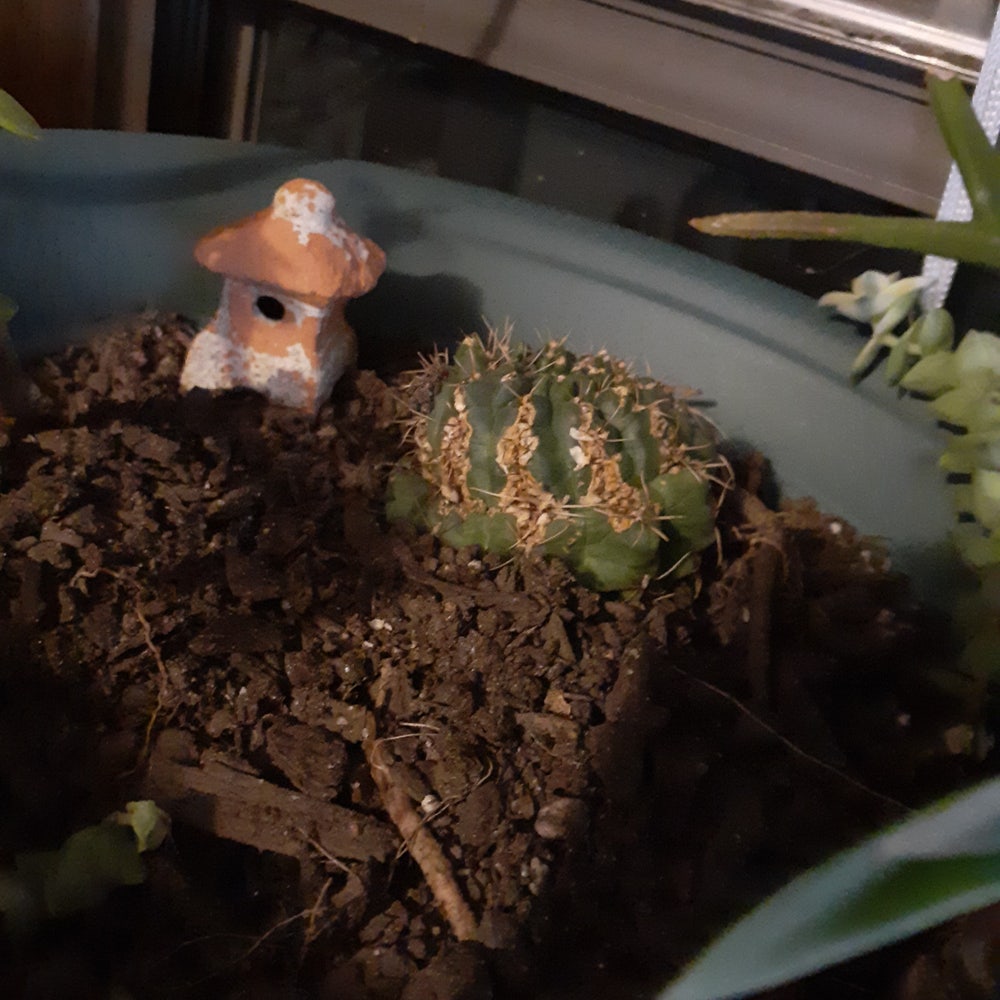
Identifying Pests on Your Echinofossulocactus palmillas
Stenocactus nova 'Palmillas'
By the Greg Editorial Team
Jul 21, 2024•6 min read
This article was created with the help of AI so we can cover more plants for you. May contain errors. See one? Report it here.
Safeguard your cactus 🌵 from sneaky pests with our eco-conscious, battle-tested strategies!
- 🌵 Identify specific pests like spider mites and mealybugs for effective treatment.
- 🕵️♂️ Early detection and IPM are crucial in managing Echinofossulocactus palmillas pests.
- 🌱 Prevent with cleanliness and care, using eco-friendly interventions as needed.
Unique Pests Challenges
Echinofossulocactus palmillas, while resilient, faces its own set of pest challenges. Identifying these pests is the first step in safeguarding your cactus.
- Identifying Pests Specific to Echinofossulocactus Palmillas:
- Look out for pests that have a particular taste for this cactus, such as certain species of scale insects and mealybugs.
- Observe for signs like sticky residue or cottony deposits, which can indicate an infestation.
Addressing these unique pest problems requires a tailored approach.
- Addressing Unique Pest Problems:
- Employ targeted treatments, like localized insecticides for small infestations or systemic solutions for larger issues.
- Consider natural allies like beneficial insects or organic options like neem oil to minimize environmental impact.
Remember, early intervention is key. Regular inspections can catch problems before they escalate, keeping your Echinofossulocactus palmillas thriving.
Pest Identification and Control
🕷️ Spider Mites
Spider mites are tiny critters that wreak havoc on Echinofossulocactus palmillas by sucking sap and causing yellow speckling. To show them the door:
- Look for fine webbing and yellow or bronze leaf discoloration.
- Blast them off with water or apply insecticidal soap or neem oil.
- For stubborn cases, miticides like bifenthrin may be necessary.
🦟 Scale Insects
Scale insects disguise themselves as brownish bumps on your cactus, sapping its strength. To fight back:
- Spot them as immobile, shell-like deposits on stems and leaves.
- Use ethanol treatments or scrape them off manually.
- Apply systemic pesticides like imidacloprid or horticultural oils for persistent infestations.
🦟 Fungus Gnats and Fruit Flies
These pests are more than a nuisance; their larvae can damage roots. Keep them at bay by:
- Watching for adult flies or larvae in the soil.
- Avoiding overwatering and using a Bacillus thuringiensis israelensis soil drench.
- Setting up sticky traps to monitor adult populations.
🐛 Mealybugs
Mealybugs look like tiny cotton swabs and can quickly colonize plants. To eliminate them:
- Identify them by their white, waxy coating clustered in leaf axils.
- Dislodge with a strong water jet or dab with alcohol.
- Apply insecticidal soaps or neem oil, and consider systemic treatments for severe cases.cultural practicesids can cause distorted growth and sticky leaves. To regain control:
- Look for small, pear-shaped bugs in clusters, often under leaves.
- Wash them away with water or treat with insecticidal soap or neem oil.
- Encourage natural predators like ladybugs to visit your garden.
🦋 Whiteflies
Whiteflies can cause yellowing and weaken plants. To manage an infestation:
- Keep an eye out for tiny, white-winged insects and a white cloud when disturbed.
- Use yellow sticky traps and insecticidal soap sprays.
- Reflective mulches can also deter whiteflies from settling.
🐜 Weevils
Weevils gnaw on cactus, leaving notches on edges. To combat them:
- Check for adult weevils and their grubs in the soil.
- Pick off adults and apply beneficial nematodes to target larvae.
- Use chemical controls as a last resort, following label instructions carefully.
Distinguishing PesEchinofossulocactus palmillasmmon look-alike pests can be a bit like playing a botanical game of 'spot the difference'. Here are some tips to help you identify the true culprits harming your Echinofossulocactus palmillas:
- Spider Mites vs. Aphids: Spider mites are tiny and often create fine webs, while aphids are slightly larger and can be seen clustered on new growth or under leaves.
- Spider miteSterilize your toolsling on leaves, whereas aphids leave behind a sticky residue called honeydew.
- Mealybugs vs. Scale Insects: Mealybugs have a cottony appearance and are mobile, while scale insects are hard and immobile, resembling small bumps on stems and leaves.
- Mealybugs tend to cluster in crevices, while scale insects are more evenly distributed.
- Whiteflies vs. Fungus Gnats: Whiteflies are found on the underside of leaves and fly away when disturbed, whereas fungus gnats are more likely to be seen around the soil, attracted to moisture.
- Whiteflies cause yellowing leaves and may transmit viruses, smart watering practicesae can damage roots.
Remember, accurate identification is key to choosing the right treatment strategy. Regular inspections and comparing pests to high-quality images can significantly improve your detective work.
Integrated Pest Management
Integrated Pest Management (IPM) is a comprehensive strategy that combines various environmentally sensitive techniques to prevent and control pests in Echinofossulocactus palmillas. It's about creating a balance that promotes plant health and minimizes pest issues.
Adopting IPM Strategies for Echinofossulocactus Palmillas
- Regularly inspect your Echinofossulocactus palmillas for early signs of pest activity, such as unusual leaf discoloration or sticky residues.
- Establish action thresholds to determine when pest levels necessitate intervention, aiming to prevent over-treatment.
- Combine cultural practices like proper watering and soil amendments with biological controls, such as introducing natural predators.
- Reserve chemical treatments as a last resort, favoring organic options like insecticidal soap or neem oil when necessary.
Emphasizing Early Detection and Eco-Friendly Interventions
- Early detection is crucial; it can mean the difference between a minor issue and a severe infestation.
- Implement eco-friendly methods such as proper plant hygiene, quarantine of new plants, and encouraging good air circulation to deter pests.
- Utilize biological controls by attracting beneficial insects that prey on common pests.
- When chemical controls are needed, opt for targeted, less-toxic options and apply them responsibly to minimize environmental impact.
Prevention and Routine Care
Preventative measures are your first line of defense against pests on Echinofossulocactus palmillas. Establishing a routine that includes regular inspections and proper hygiene can save you from future infestations.
Implementing Preventative Measures
- Inspect your Echinofossulocactus palmillas regularly for early signs of pests, such as sticky leaves or visible bugs.
- Keep the area around your plant clean, removing any fallen debris that could harbor pests.
- Sterilize your tools before and after use to prevent the spread of pathogens.
- Use clean pots and sterile potting mix when repotting to avoid introducing pests.
- Adjust your care with the seasons, providing less water in winter and more shade in summer.
Establishing Regular Inspection and Hygiene Practices
- Make plant inspection a part of your routine, just like your morning coffee.
- Record the plant's condition and any care adjustments in a log to track what works.
- Prune your Echinofossulocactus palmillas with sterilized tools to prevent pest spread and encourage healthy growth.
- Implement smart watering practices, ensuring the soil is not overly moist as this can attract pests.
- Maintain stable environmental conditions, including humidity and temperature, to deter pest infestations.
⚠️ Safety First
This content is for general information and may contain errors, omissions, or outdated details. It is not medical, veterinary advice, or an endorsement of therapeutic claims.
Always consult a qualified healthcare professional before using any plant as food, medicine, or supplement.
Never eat any plant (or feed one to pets) without confirming its identity with at least two trusted sources.
If you suspect poisoning, call Poison Control (800) 222-1222, the Pet Poison Helpline (800) 213-6680, or your local emergency service immediately.
Spotted an error? Please report it here.
Prevent pests from bugging your Echinofossulocactus palmillas with Greg's 🌵 tailored care reminders and early detection tips for a thriving, pest-free plant.