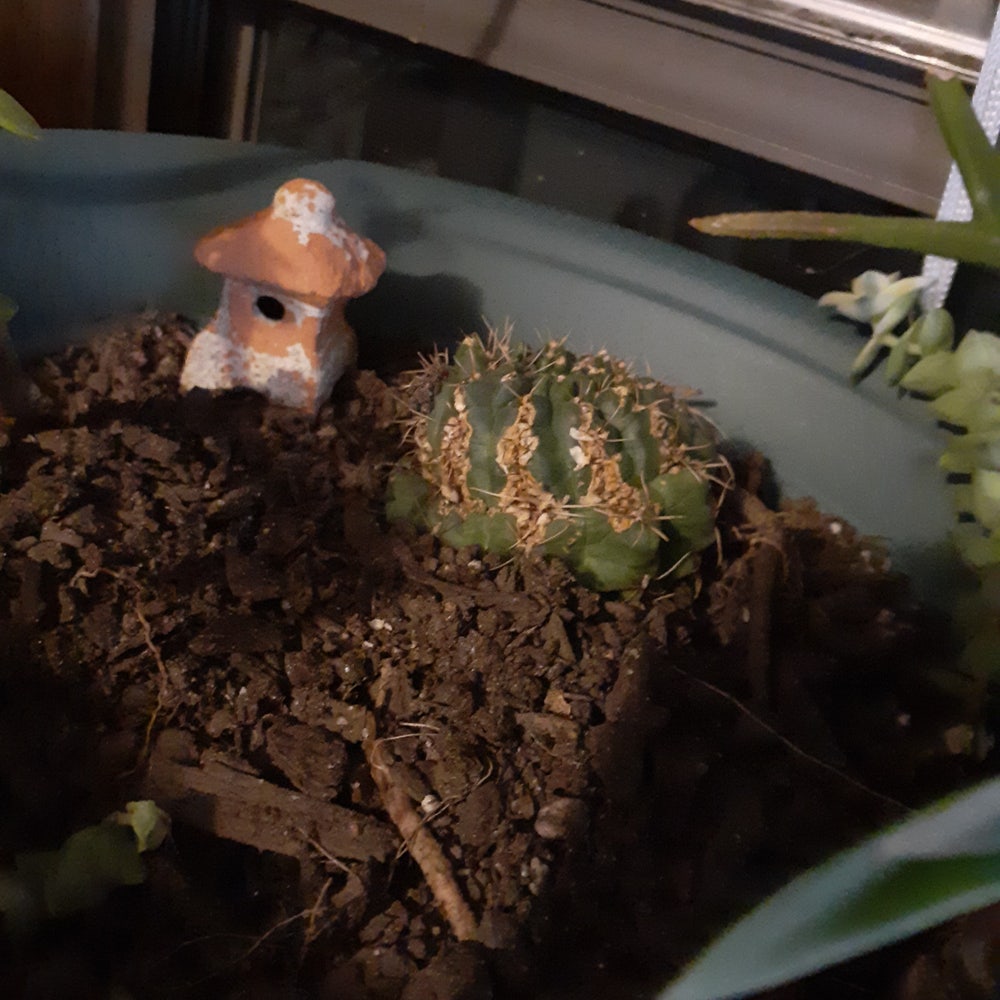
How to Get a Echinofossulocactus palmillas to Bloom
Stenocactus nova 'Palmillas'
By the Greg Editorial Team
Feb 29, 2024•4 min read
This article was created with the help of AI so we can cover more plants for you. May contain errors. See one? Report it here.
Spark your Echinofossulocactus palmillas to bloom 🌵 with these expert care tips for a desert spectacle!
- 🌵 Bright, indirect sunlight is key for Echinofossulocactus bloom.
- Seasonal cues and winter dormancy trigger spring flowers.
- Avoid overwatering/overfeeding; use low-nitrogen fertilizer sparingly.
Creating the Perfect Blooming Environment
💡 Light: The Key to Unlocking Flowers
Bright, indirect sunlight is the sweet spot for Echinofossulocactus palmillas. This cactus thrives under conditions that mimic its natural desert habitat. To achieve this indoors, place it near a south-facing window where it can bask in the sun's glory without getting scorched. If your indoor lighting is more reminiscent of a cave than a desert, consider investing in grow lights. Keep them at a safe distance to avoid turning your cactus into a crispy critter.
🌡️ Temperature and Humidity: Setting the Stage for Blooms
A temperature range that swings from 74 to 85°F (23 to 29°C) during the day to a cooler 62 to 67°F (17 to 19°C) at night is ideal. This cactus isn't looking for a sauna experience; moderate humidity will do just fine. Avoid dramatic fluctuations—consistency is the name of the game. If you're living in a climate that's more Arctic tundra than arid desert, a consistent and controlled environment might mean keeping your cactus indoors with a little help from technology.
Timing is Everything: Seasonal Bloom Boosting
🌵 Understanding Seasonal Cues
Echinofossulocactus palmillas, like many cacti, syncs its life cycle with the seasons. As the earth tilts and orbits, these spiky beauties take their cues from the changing light and temperatures. To induce blooming, you'll need to become a seasonal whisperer, attuning your care to the cactus's internal calendar.
❄️ Winter Prep and Spring Surprises
Winter dormancy is your cactus's version of hibernation. It's not just kicking back; it's a crucial rest period before the main event. As winter wanes, it's time to set the stage for spring's grand entrance. Gradual temperature increases signal your cactus to wake up and get ready to put on a floral spectacle.
Water and Nutrition: The Bloom Diet
💧 Watering Wisely for Flower Success
Watering your Echinofossulocactus palmillas is a balancing act. To promote flowering, let the soil dry slightly between waterings. Overwatering is a no-go; it's a surefire way to drown your cactus's blooming dreams.
Signs of water stress include wilted or shriveled plants. Avoid this by checking the soil moisture an inch below the surface; if it's dry, it's time to water. If it's damp, give it a break.
🌱 Feeding for Flowers
Select a low-nitrogen fertilizer to encourage your Echinofossulocactus palmillas to bloom. Overfeeding is like force-feeding cake to a dieting friend—counterproductive.
Fertilize sparingly during the growing season, aiming for a quarter-strength solution. This is the plant equivalent of a light snack, enough to energize without overwhelming. Look for a bloom-boosting formula with a slight increase in phosphorus to support vibrant flowers.
Remember, consistency is key. Stick to a regular feeding schedule, but always err on the side of less. Too much love in the form of fertilizer can lead to lush leaves but no flowers.
Overcoming Bloom Blockers
💡 Identifying and Fixing Flowering Faux Pas
Lighting missteps can lead to a bloomless existence for your Echinofossulocactus palmillas. Too little sun and your cactus plays it shy with flowers; too much, and it's sunburn city. Adjust the plant's exposure gradually to find the sweet spot.
Pruning is a delicate dance – neglect it, and your cactus becomes a sprawling mess; overdo it, and you risk bloom shock. Aim for strategic snips to encourage flowering. Keep an eye out for pests and diseases, as these freeloaders can derail blooming efforts. Use insecticidal soap or fungicide to show them the door.
💪 Age and Health: The Bloom Prerequisites
Your cactus needs to hit a certain maturity before it can put on a floral show. If it's still a youngster, patience is your best friend. Health-wise, a quick check for firmness and color can tell you a lot. Discoloration or soft spots? Time to troubleshoot – could be overwatering or a nutrient issue.
Root rot is a death sentence for blooms. If you suspect it, inspect the roots, prune the bad parts, and let the good bits dry out. Repot with well-draining soil and adjust your watering habits. Fertilize with a high-phosphorus blend during the growing season, but don't go overboard – too much can be just as bad as too little.
⚠️ Safety First
This content is for general information and may contain errors, omissions, or outdated details. It is not medical, veterinary advice, or an endorsement of therapeutic claims.
Always consult a qualified healthcare professional before using any plant as food, medicine, or supplement.
Never eat any plant (or feed one to pets) without confirming its identity with at least two trusted sources.
If you suspect poisoning, call Poison Control (800) 222-1222, the Pet Poison Helpline (800) 213-6680, or your local emergency service immediately.
Spotted an error? Please report it here.
Nurture your Echinofossulocactus palmillas to full bloom 🌵 with Greg's personalized care reminders, tailored to your plant's unique environment and growth stage!