🌵 Does My Echinofossulocactus palmillas Need Direct Sunlight?
Stenocactus nova 'Palmillas'
By the Greg Editorial Team
Feb 29, 2024•5 min read
This article was created with the help of AI so we can cover more plants for you. May contain errors. See one? Report it here.
Master your cactus's glow-up by decoding its perfect sun dosage! 🌞🌵
- 🌞 Direct sunlight is crucial for Echinofossulocactus palmillas health and growth.
- Rotate for even growth; too much sun can cause sunburn.
- Adjust position seasonally and provide shade to prevent sunburn.
Sunbathing Habits of Echinofossulocactus Palmillas
🌞 What Direct Sunlight Means for Your Spiky Friend
Direct sunlight is the unfiltered solar embrace your Echinofossulocactus palmillas craves. It's the difference between a vibrant, thriving cactus and one that's merely surviving. In their natural habitat, these cacti are the ultimate sun worshippers, soaking up intense desert rays.
Rotate your cactus to ensure even sun exposure, preventing a lopsided growth. It's not just about aesthetics; it's about health.
Can Echinofossulocactus Palmillas Soak Up the Sun?
Absolutely, Echinofossulocactus palmillas can bask in the sun's glory. They're built for it, with a preference for direct sunlight akin to their native desert conditions. However, too much can lead to a sunburnt or bleached appearance, so watch for a healthy green color and robust growth as signs of ideal exposure.
If your cactus is getting the right amount of sun, you might be rewarded with a surprise bloom. It's like the plant's way of giving you a high-five.
When the Sun Hits Your Windowsill: The Direction Dilemma
🌞 The Window Compass: Navigating Sunlight at Home
Your Echinofossulocactus palmillas isn't just a pretty face; it's a sun connoisseur. The direction your window faces can make or break its day. South-facing windows? They're the main stage, offering a full day's worth of sunlight for your cactus to bask in. Ideal for those in the Northern Hemisphere, these windows are like a VIP lounge for plants that love the limelight.
East-facing windows serve up a gentle morning light, perfect for easing your cactus into the day without overwhelming it. Think of it as a soft opening act before the main event. West-facing windows, on the other hand, are the late afternoon headliners, delivering an intense performance of sunlight that could leave your cactus feeling like it's in the front row at a rock concert.
And then there's the north-facing windows, offering a low-key ambiance with minimal light. It's the equivalent of a chill-out room for plants that prefer the shade. Your Echinofossulocactus palmillas, however, might start yearning for more.
🌍 Hemisphere Highlights: North or South, It Matters!
The sun's path isn't just a cool science fact; it's a lifestyle for your cactus. In the Southern Hemisphere, the roles reverse: north-facing windows become the sun-drenched spots of glory. They're the prime real estate for your spiky friend, ensuring it gets the sunlight it craves.
Remember, your Echinofossulocactus palmillas is more than a plant; it's a creature of the sun. Its needs change with the sun's seasonal journey, so be prepared to switch things up. Keep an eye on the light's intensity and angle, and be ready to shuffle your cactus around to avoid the dreaded sunburn or a case of the gloomies from too little light.
Rotate your cactus to promote even growth, and if it starts reaching for the light like a lost soul, it's time to scoot it closer to the window. But beware, too close and you might turn your cozy windowsill into a desert inferno. Nobody wants a crispy cactus.
Seasonal Sun Shifts: Adapting to the Echinofossulocactus Palmillas' Needs
🌞 Summer Sizzle and Winter Woes
As the seasons change, so must your approach to caring for your Echinofossulocactus palmillas.
🌡️ Adjusting Care with the Changing Seasons
In the summer heat, your cactus can handle the sun, but it's wise to provide some afternoon shade to prevent sunburn. Think of it as putting on a sunhat during a beach day. During winter, the sun is your friend. The weaker rays mean your cactus can enjoy longer sunbathing sessions without the risk of turning into a crispy critter.
🧊 Protecting Your Cactus from Seasonal Extremes
When temperatures drop, it's not just about less water—it's about survival. Keep your spiky buddy away from windows that could turn into iceboxes. If you're dealing with a heatwave, remember that a little shade can go a long way. Your cactus is tough, but it's not a fan of baking in the oven.
Sunburn and Other Solar Stories
🌵 Spotting Trouble: When the Sun Isn't Your Plant's Best Friend
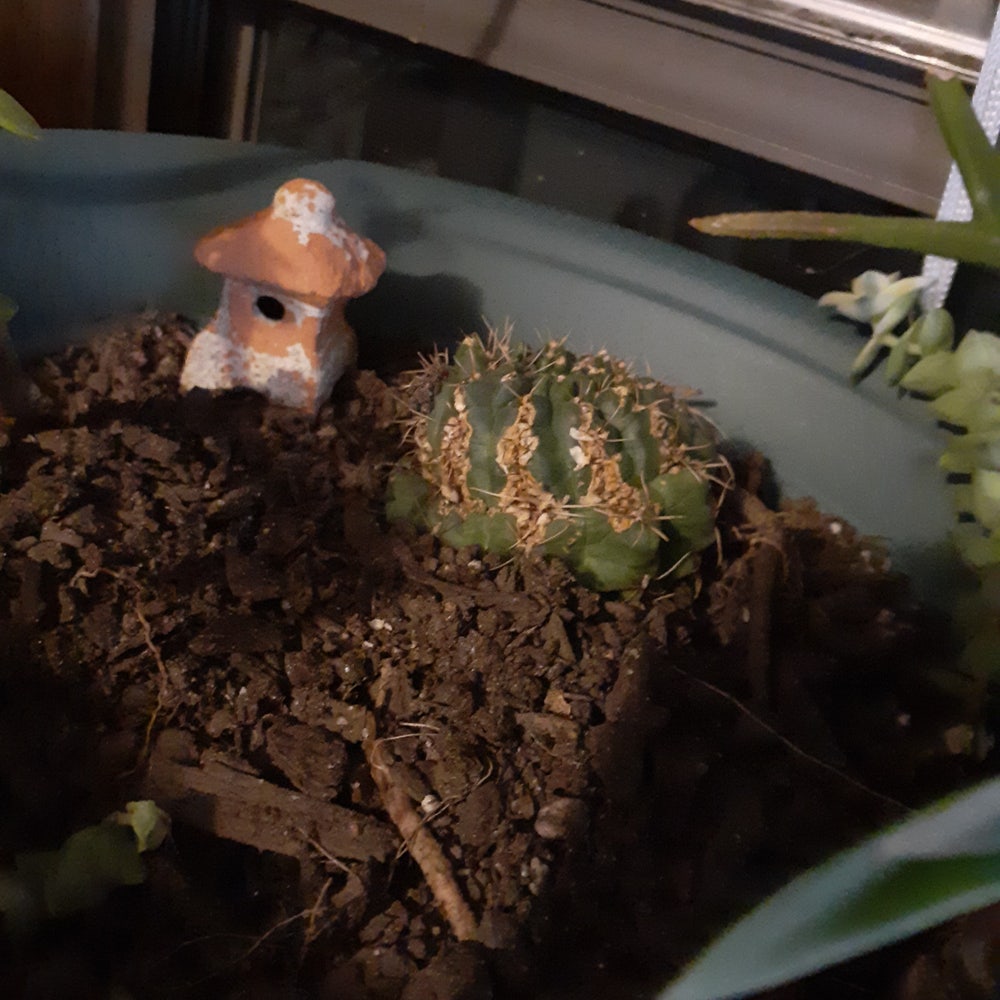
Sunburn in Echinofossulocactus palmillas isn't a badge of honor; it's a cry for help. Look for bleached, crispy patches on the areas that soak up the most sun. These are your cactus's version of throwing in the towel.
If your cactus could talk, it'd tell you those brown spots are more than a fashion statement. They're signs of sun overdose. When the green turns to a pale, sun-bleached color, it's time to rethink your plant's sunbathing habits.
🌴 Quick fixes for a sun-stressed Echinofossulocactus palmillas
Shade is the first aid when your cactus is throwing shade with those burnt spots. A shade cloth or a strategic relocation can prevent your plant from turning into a desert crisp.
Hydration is key, but only when the soil feels like a dry martini. Overwatering is like adding fuel to the fire—it's a no-go. Wait for the soil to dry out before giving your cactus a drink.
Remember, your cactus isn't auditioning for a spot on "Baywatch." It doesn't need to be sun-kissed all day. Find a spot that offers bright, indirect light, and you'll have a happy, healthy Echinofossulocactus palmillas.
⚠️ Safety First
This content is for general information and may contain errors, omissions, or outdated details. It is not medical, veterinary advice, or an endorsement of therapeutic claims.
Always consult a qualified healthcare professional before using any plant as food, medicine, or supplement.
Never eat any plant (or feed one to pets) without confirming its identity with at least two trusted sources.
If you suspect poisoning, call Poison Control (800) 222-1222, the Pet Poison Helpline (800) 213-6680, or your local emergency service immediately.
Spotted an error? Please report it here.
Find the perfect spot ☀️ for your Echinofossulocactus palmillas with Greg's environment analysis, ensuring it gets the ideal sun exposure without the risk of sunburn.