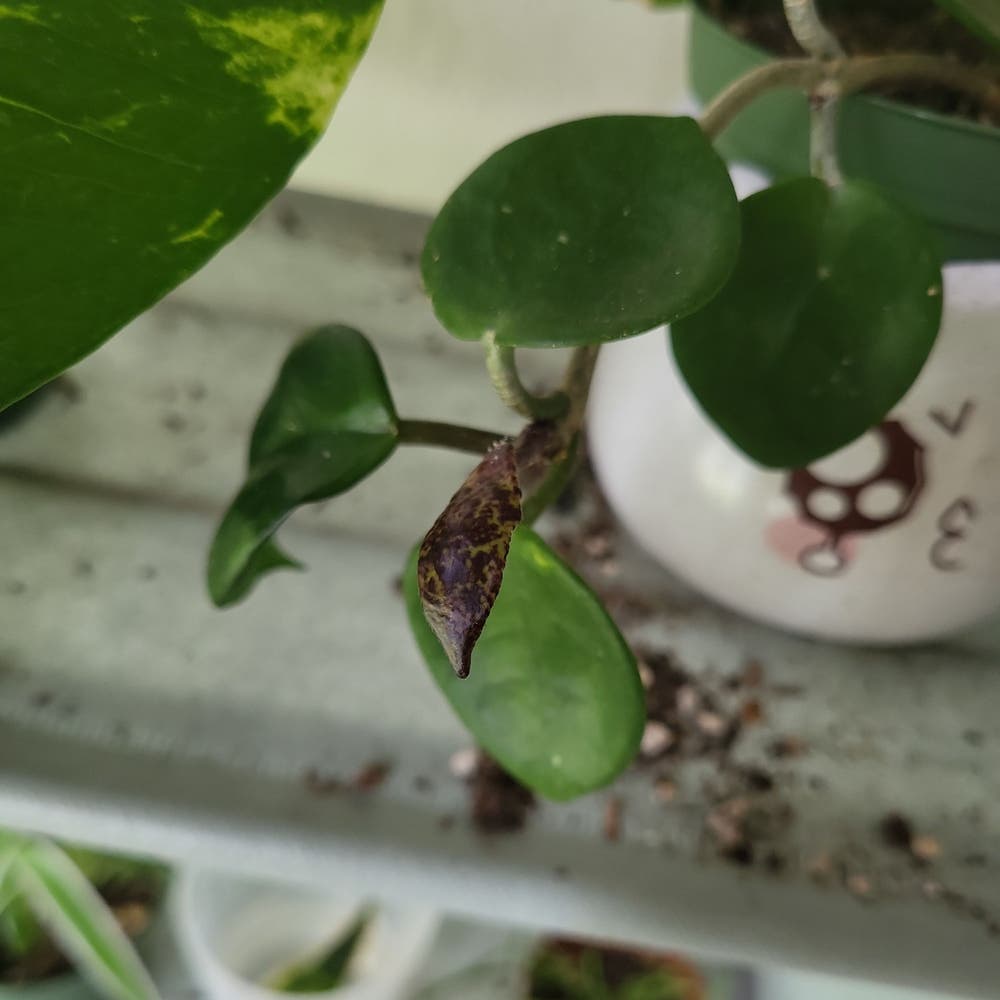
✂️ How Do I Propagate My Chelsea Hoya?
Hoya carnosa 'Chelsea'
By the Greg Editorial Team
Jun 18, 2024•5 min read
This article was created with the help of AI so we can cover more plants for you. May contain errors. See one? Report it here.
Propagate your Chelsea Hoya effortlessly 🌱 and watch your indoor garden thrive with our expert guide.
- Healthy stem selection is crucial; look for vibrancy and no disease.
- Rooting hormone boosts root development; change water weekly.
- Transition to soil when roots are inches long; provide bright, indirect light.
Snip and Dip: Stem Cuttings Made Easy
🏆 Choosing Your Champion Stem
In the quest for propagation perfection, selecting a healthy stem is like picking an athlete for the Olympics. Vibrancy and a lack of disease are your qualifiers. Look for semi-hardwood segments about 4-6 inches long, sporting several leaf nodes. These nodes are where the magic happens, sprouting roots like eager children.
🔪 The Cut: Where and How
Sterilize your tools first—it's basic plant surgery hygiene. Snip your chosen stem at a 45-degree angle just below a node, maximizing rooting surface area. Think of it as creating a mini ramp for roots to slide down into their new soil home.
🌱 Rooting Hormone: To Dip or Not to Dip
Rooting hormone is the pep talk your cuttings need, not mandatory but a definite boost. Dip the cut end into this substance to speed up root development. It's like a pre-game energy drink for your soon-to-be plant babies.

Water Propagation: The See-Through Nursery
💧 Prepping Your Cuttings for a Swim
Water propagation turns your windowsill into a rooting stage. Here's the drill: Snip a healthy stem just below a node—sterility is your friend, so use a clean, sharp blade. Strip off any leaves that would be submerged, because nobody likes a soggy salad. Now, grab a clear glass vessel and fill it with tepid, filtered water. Why tepid? You don't want to shock your plant's socks off. Dunk the node in, ensuring it's fully immersed but not touching the bottom like a lazy pool-goer.
💦 Watering Roots: Monitoring and Changing
Keep an eagle eye on your aquatic nursery. The water level should always hug just above the node, like a protective blanket. Temperature matters, so think Goldilocks—not too hot, not too cold. Change the water every week or when it starts looking like a science experiment gone wrong. Cloudy or discolored water is a no-go; it's a bacteria party, and your cutting isn't invited. When those roots start looking like they're plotting an escape, it's time to transition to soil. Patience is key; roots need to be a few inches long before they're ready for the big leagues.

Soil Propagation: Planting the Future
🌱 Direct to Dirt: Planting Your Cuttings
So, you've got your Chelsea Hoya cuttings, and you're ready to go old school with soil propagation. Here's the lowdown:
- Choose a pot with a drainage hole to avoid waterlogged soil.
- Fill it with a well-draining mix; think chunky, airy, and non-clingy.
- Dip the end of your cutting in rooting hormone if you're feeling extra.
- Plant the cutting about an inch deep, ensuring a node is underground—this is where roots get the party started.
- Keep the soil moist, not drenched, to kickstart the rooting without drowning your efforts.
🕰️ The Waiting Game: Signs of Success
Now, the part where you twiddle your thumbs and try not to hover:
- Roots will take their sweet time, so patience is key. Expect a few weeks of radio silence underground.
- Once you see new growth on top, it's celebration time—your cutting is officially taking root.
- Keep the soil consistently moist and monitor for any signs of rot or distress.
- If your cutting looks like it's throwing a fit, it might need a humidity boost—a plastic bag tent can work wonders, just don't let it turn into a sauna.
Remember, you're not just growing a plant; you're growing your green-thumb cred. Keep it cool, keep it moist, and keep the faith.

Aftercare: The First Steps of Your New Chelsea Hoya
🌱 Post-Propagation Care
Your Chelsea Hoya cuttings have sprouted roots, and it's showtime for aftercare. Bright, indirect light is your new mantra; think of it as the spotlight for your plant's debut. Watering is like a balancing act—keep the soil moist, but not a swamp. The first watering is a rite of passage, so make it count, but then let the top inch of soil dry out before the next encore.
🏡 Transitioning to a Permanent Home
Repotting is like moving day for your Hoya—exciting but stressful. Choose a small pot; these plants like cozy spaces. Wait a couple of days post-repotting before the first watering to let them acclimate. And remember, no direct sunlight; it's the equivalent of a spotlight that's too bright for your plant's comfort. When you see new growth, that's your cue; your Hoya is ready to face the world—or at least a sunnier spot in your home.
Common Oopsies and How to Fix Them
🌱 Root Rot: Spotting and Preventing
Root rot is the bane of propagation, often due to overwatering or subpar drainage. Mushy stems or roots are tell-tale signs. To prevent this, use a well-draining potting mix and moderate your watering zeal. If rot strikes, act fast: snip off the affected parts, consider a fungicide dip, and repot in fresh soil. Remember: a dry plant is a content plant.
🚫 No-Go Growth: When Cuttings Don't Root
Cuttings that won't root are like guests that won't leave—they're frustrating. If you're stuck with barren cuttings, check the warmth and light. Cuttings love warmth like a cat loves a sunbeam. Too chilly? They'll just sulk. Ensure they're snug and basking in proper lighting. And keep those tools clean—dirty tools are like a backdoor for diseases.
⚠️ Safety First
This content is for general information and may contain errors, omissions, or outdated details. It is not medical, veterinary advice, or an endorsement of therapeutic claims.
Always consult a qualified healthcare professional before using any plant as food, medicine, or supplement.
Never eat any plant (or feed one to pets) without confirming its identity with at least two trusted sources.
If you suspect poisoning, call Poison Control (800) 222-1222, the Pet Poison Helpline (800) 213-6680, or your local emergency service immediately.
Spotted an error? Please report it here.
Ensure your Chelsea Hoya cuttings thrive 🌿 with Greg's custom reminders for water changes and optimal soil moisture during propagation.