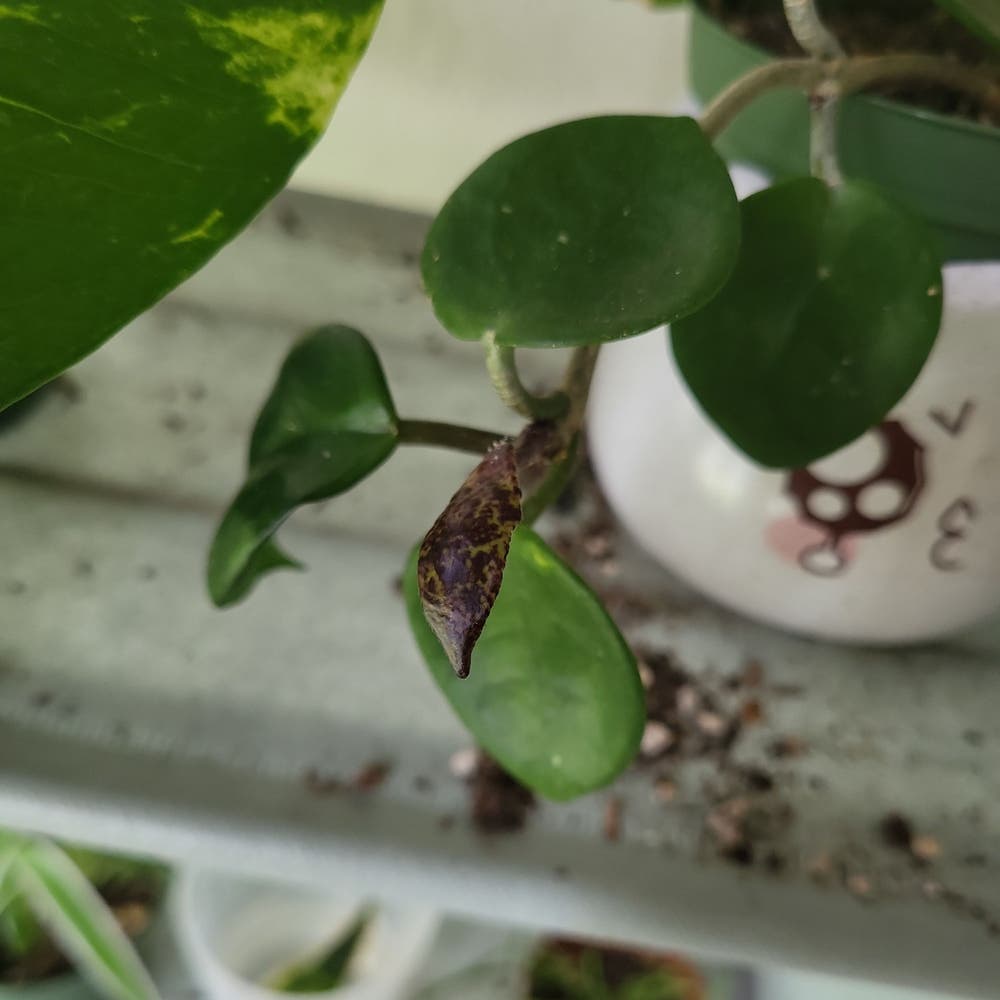
When and Where Should I Trim My Chelsea Hoya?
Hoya carnosa 'Chelsea'
By the Greg Editorial Team
Jun 18, 2024•4 min read
This article was created with the help of AI so we can cover more plants for you. May contain errors. See one? Report it here.
Trim your Chelsea Hoya to perfection 🌿—post-bloom pruning ensures a healthy, symmetrical showstopper!
- Post-flowering pruning boosts health and blooming.
- Late winter/spring pruning aligns with growth cycles.
- Use precision pruners for clean cuts and bushier growth.
Best Times to Give Your Chelsea Hoya a Haircut
🌸 After the Blooms: Post-Flowering Pruning
Post-flowering is a pivotal time for giving your Chelsea Hoya a trim. This period is crucial because it prevents the accidental removal of future bloom sites. Pruning after the plant has flowered promotes healthier growth and prepares it for the next blooming cycle.
🌱 Seasonal Smarts: Understanding Growth Cycles
Pruning should align with your Chelsea Hoya's growth cycles. Late winter or early spring is typically ideal, as the plant is entering its active growth phase. Signs that your Chelsea Hoya is ready for a trim include completed flowering and the onset of new growth. Keep an eye out for these cues to ensure your pruning encourages a lush, full plant.

Where to Snip: Strategic Pruning Locations
✂️ Node Know-How: Making the Cut
Identifying nodes and internodes is like finding the pulse points of your Chelsea Hoya. Nodes are the launch pads for new growth; internodes are the spaces in between. Snip just above a node when you want to encourage a fuller, bushier plant. This is where magic happens, and new branches will spring forth.
🌳 Shape It Up: Aesthetic Pruning Techniques
Trimming for shape and size isn't just about hacking away at your plant; it's a deliberate sculpting process. Imagine your ideal Chelsea Hoya and prune to make that vision a reality. Balance is key—aim for symmetry to keep your plant looking sharp and well-proportioned.

Pruning Like a Pro: Techniques and Tools
✂️ Snip Strategies: From Pinching to Hard Pruning
Pruning isn't just about keeping your Chelsea Hoya in check; it's craftsmanship. Pinching is your go-to for promoting bushiness—just nip the tip of a stem with your fingers. It's a gentle nudge to the plant, saying, "Hey, sprout some side shoots." For a more drastic intervention, hard pruning comes into play. Grab those shears when you need to cut back more than just the tips—think of it as a reset button for overgrown or leggy plants.
🛠️ Tool Time: Using the Right Equipment
Choosing the right tools is like picking the perfect paintbrush for a masterpiece. Precision pruners or micro-tip snips are your best friends for those clean, close cuts. Keep them sharp; a dull blade is a disaster waiting to happen. And cleanliness? Non-negotiable. Dirty tools are the enemy, spreading disease faster than gossip in a small town. Sterilize before and after use to keep your Chelsea Hoya as healthy as a horse.

Tackling the Overgrown Jungle: Rejuvenation Pruning
🌿 When Your Plant Goes Wild: Addressing Leggy Growth
Leggy growth in your Chelsea Hoya is a cry for help. It's the plant's way of saying it's not getting enough light or has been neglected in the pruning department. To tackle this, you'll need to assess the situation and get ready to encourage denser growth. Trim back the longest stems to just above a leaf node, which will prompt the plant to branch out. Remember, it's not about being ruthless; it's about guiding your plant back to its former glory.
🌱 The Big Chop: Rejuvenating an Overgrown Chelsea Hoya
When it's time for the big chop, take a deep breath and channel your inner garden guru. Severe pruning can be daunting, but it's necessary for an overgrown Chelsea Hoya. Cut back the plant by up to one-third, focusing on removing parts that are dead or damaged first. This might seem extreme, but it's like hitting the reset button, giving your plant a fresh start. Post-pruning, expect a period of recovery, but with proper care, your Chelsea Hoya will bounce back, ready to flourish and fill your space with green once more.
⚠️ Safety First
This content is for general information and may contain errors, omissions, or outdated details. It is not medical, veterinary advice, or an endorsement of therapeutic claims.
Always consult a qualified healthcare professional before using any plant as food, medicine, or supplement.
Never eat any plant (or feed one to pets) without confirming its identity with at least two trusted sources.
If you suspect poisoning, call Poison Control (800) 222-1222, the Pet Poison Helpline (800) 213-6680, or your local emergency service immediately.
Spotted an error? Please report it here.
Trim your Chelsea Hoya at just the right time for healthier blooms 🌱 with Greg's tailored reminders, making your plant care as rewarding as it is effortless.