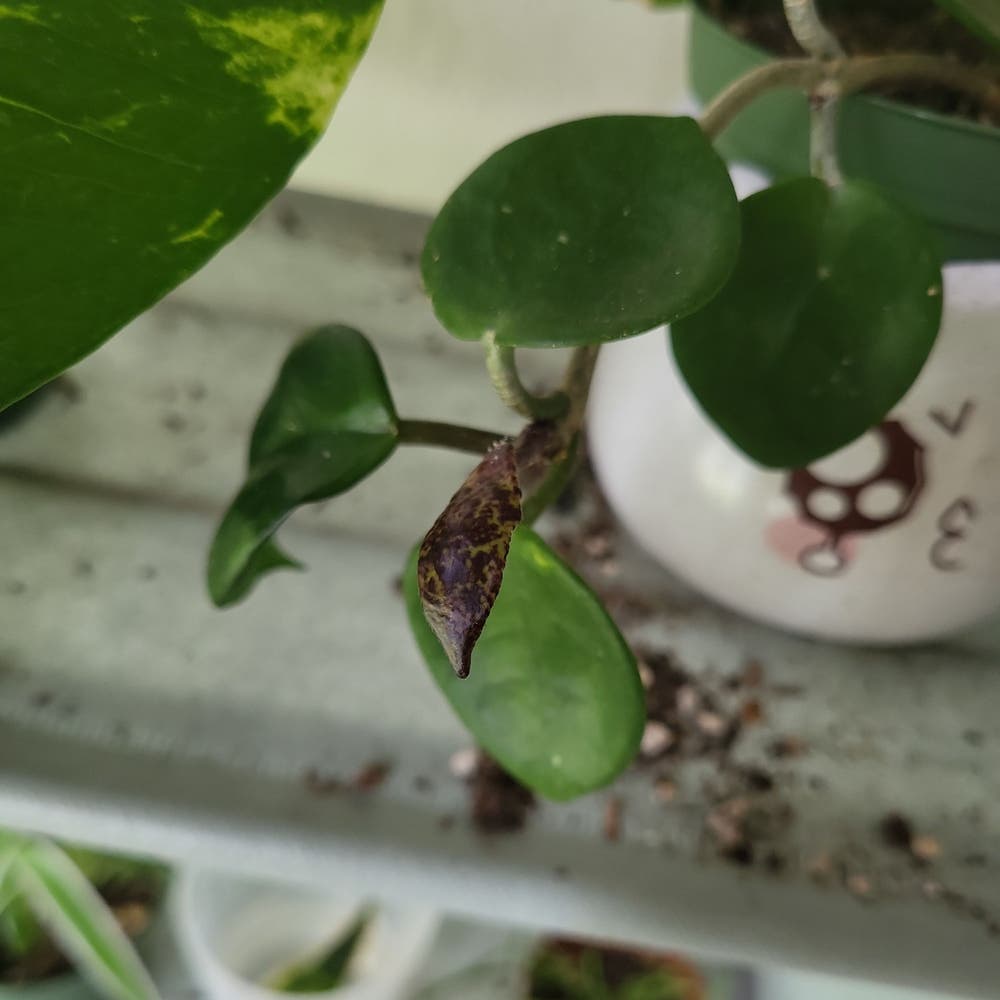
💧 How Much Humidity Does My Chelsea Hoya Need?
Hoya carnosa 'Chelsea'
By the Greg Editorial Team
Jun 18, 2024•5 min read
This article was created with the help of AI so we can cover more plants for you. May contain errors. See one? Report it here.
Discover the secret to lush Chelsea Hoya growth 🌿 by nailing the perfect humidity balance!
- 🍃 Crispy leaves indicate low humidity; use a hygrometer to monitor.
- 💧 Boost humidity with humidifiers, pebble trays, or plant clustering.
- 🌡️ Adjust for seasons: winter heating can dry out your Chelsea Hoya.
Spotting the Signs: When Your Chelsea Hoya Craves More Humidity
Your Chelsea Hoya is a humidity aficionado, thriving in moisture-rich environments. But when the air turns drier than a comedian's wit, your plant will send out distress signals. Here's how to spot the SOS.
🌿 Telltale Signs of Low Humidity Stress
Crispy leaves are your Hoya's way of throwing a fit for more moisture. If you notice the foliage taking on a crunchy texture or the edges turning as brown as toast, it's time to up the humidity game. Leaf curling is another red flag; it's the plant's equivalent of a parched throat, gasping for a humid breath.
🕵️ Quick Tips to Assess Your Home's Humidity Levels
Feeling like a detective? Start by observing your plant. A plump, glossy leaf is a sign of contentment, while a limp, dry one screams for help. Don't rely solely on your plant's appearance, though. Invest in a hygrometer—it's like a thermometer for moisture and will give you the hard numbers on your home's humidity levels.
Remember, your Chelsea Hoya isn't asking for a rainforest simulation—just a consistent environment that doesn't leave it thirstier than a cactus in the desert. Keep an eye on those leaves, and you'll be well on your way to mastering the art of humidity care.

Creating a Tropical Haven: Boosting Humidity for Your Chelsea Hoya
💨 Humidifiers: The Quick Fix
Humidifiers are your Chelsea Hoya's best friend when the air resembles a desert more than a rainforest. They're like personal rain clouds for your plants, minus the thunder. Just remember, placement is key; too close and you might as well be steaming vegetables.
🌱 DIY Solutions: Pebble Trays and Water Features
For those who prefer a hands-on approach, pebble trays are the old-school DJs of the plant world. Fill a tray with pebbles, pour in some water, and let evaporation do its thing. Keep the water level below the rocks to avoid a root-rot rave.
🌊 Water Features: Not Just Decor
Think fountains and aquariums are just for show? Think again. They double as undercover humidity agents, providing a steady stream of moisture into the air. Bonus: aquarium water can be a gentle, nutrient-rich treat for your plants.
🌿 Group Therapy: Clustering Plants
Clustering plants together is like hosting a mini house party for your green buddies. They share moisture like juicy gossip, creating a lush, humid microclimate. Just ensure they have enough personal space; nobody likes an overcrowded dance floor.
Remember, it's about creating a stable environment, not a tropical monsoon. Keep an eye on your Chelsea Hoya and adjust your humidity strategies as needed to keep those leaves lush and happy.

Too Much of a Good Thing: Balancing High Humidity
🚨 Recognizing Symptoms of Excessive Humidity in Chelsea Hoya
Yellowing leaves or a musty smell are your Chelsea Hoya's SOS signals for too much humidity. It's like the plant's crying out for a life raft in a sea of moisture. If you spot these distress signs, it's time to take action.
💨 Airflow and Your Plant: The Role of Fans and Ventilation
Think of good airflow as your plant's personal space—necessary and healthy. Cracking a window or setting up a fan can be like a breath of fresh air for your Chelsea Hoya, literally. It's the old-school, no-fuss way to keep the air from getting stale and suffocating your green buddy.
💪 The Dehumidifier Debate: When to Consider Using One
If your home feels more like a sauna than a living space, it might be time to bring in the big guns—a dehumidifier. This gadget is like a superhero for your plant, sucking up excess moisture and keeping the ambiance just right. Use it when the air is so thick you could cut it with a knife.

The Balancing Act: Managing Humidity in Changing Seasons
⛅️ Seasonal Shifts and Humidity Needs
As the seasons change, so does the indoor air, and with it, the humidity requirements of your Chelsea Hoya. Spring may bring a natural uptick in moisture, reducing the need for manual intervention. Come summer, the heat could sap the air's moisture, leaving your Hoya parched and in need of a humidity boost.
❄️ Winter Woes: The Dry Air Challenge
Winter is notorious for its dry indoor air, thanks to heating systems working full tilt. This can leave your Hoya looking as desiccated as a mummy. Keep a vigilant eye on your plant; crispy leaves are a cry for help. A humidity meter can be your best friend, taking the guesswork out of maintaining that tropical vibe your Hoya loves.
🌡️ Temperature's Role in Humidity Care
Temperature and humidity are like an old married couple; they bicker but can't live without each other. A warm room can hold more moisture, so as temperatures drop, your Hoya's need for humidity might actually increase. Keep it away from drafts and heaters to avoid shocking its system.
🌍 Adapting to Your Local Climate
Your local climate isn't just idle chit-chat; it's the stage for your Hoya's daily drama. Whether your home is more Sahara or Seattle, adjusting your humidity strategies to match the local weather patterns is crucial. Stay ahead of the game and your Hoya will thank you with lush, green growth.
⚠️ Safety First
This content is for general information and may contain errors, omissions, or outdated details. It is not medical, veterinary advice, or an endorsement of therapeutic claims.
Always consult a qualified healthcare professional before using any plant as food, medicine, or supplement.
Never eat any plant (or feed one to pets) without confirming its identity with at least two trusted sources.
If you suspect poisoning, call Poison Control (800) 222-1222, the Pet Poison Helpline (800) 213-6680, or your local emergency service immediately.
Spotted an error? Please report it here.
Keep your Chelsea Hoya's leaves crisp and healthy 🌱 with Greg's tailored humidity tips, ensuring your green friend thrives in any season.