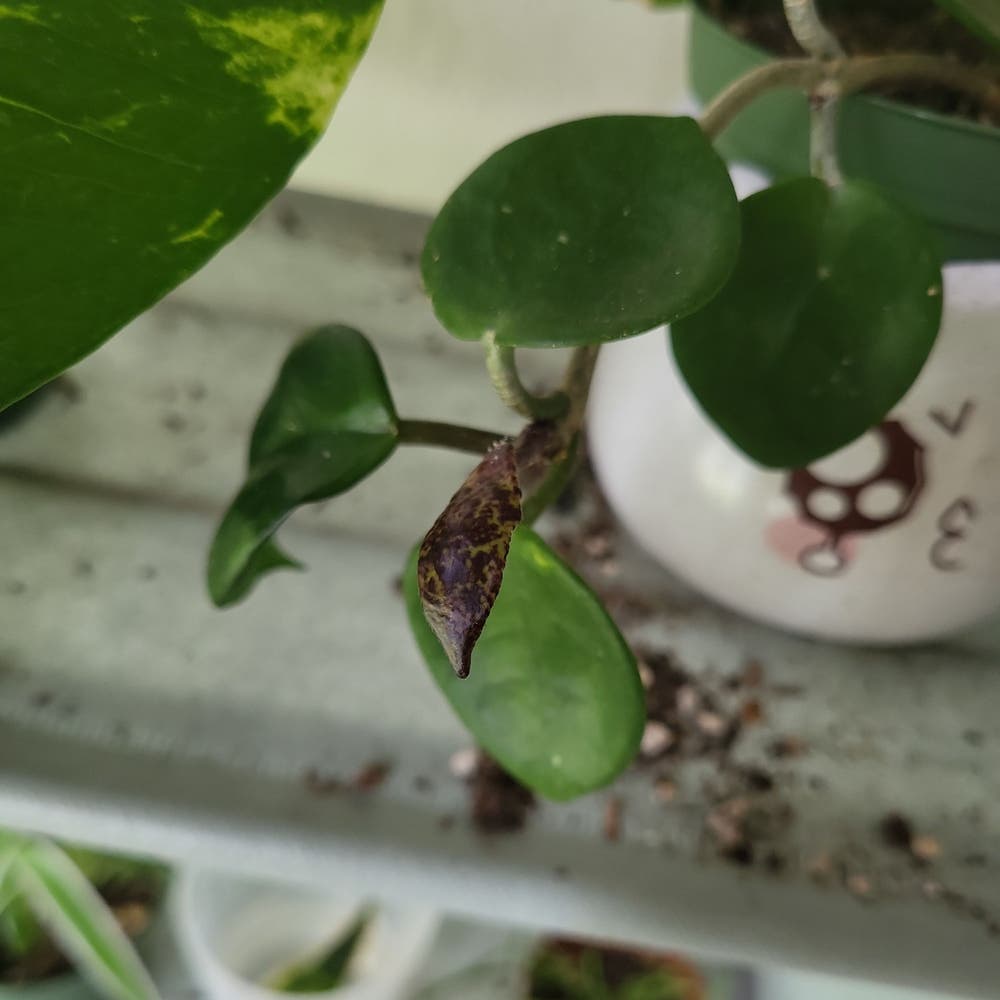
How Much Should I Water My Chelsea Hoya?
Hoya carnosa 'Chelsea'
By the Greg Editorial Team
Jun 18, 2024•3 min read
This article was created with the help of AI so we can cover more plants for you. May contain errors. See one? Report it here.
Nurture your Chelsea Hoya to lush perfection with our tailored watering guide 🌿💧.
- Wilting or yellow leaves? Your Chelsea Hoya might be thirsty or overwatered.
- Consider environment and soil when determining watering frequency.
- Seasonal watering is key: more in summer, less in winter.
When to Water Your Chelsea Hoya
💧 Spotting Thirsty Hoya: Signs of Underwatering
Wilting leaves and dry soil are your Chelsea Hoya's way of saying, "Hey, I could use a drink!" But don't wait for the plant to belt out a full-blown aria of distress. Underwatering can lead to leaf drop, particularly the lower ones, as your Hoya tries to conserve water.
If you notice stunted growth or a complete growth halt, take it as a sign that your watering routine needs tweaking. And here's the kicker: underwatering can make your Hoya's roots weak and susceptible to fungal invasions, leading to root rot. So, it's a bit of a tightrope walk—too little water and you're inviting trouble.
💦 Drowning in Love: Signs of Overwatering
Soggy soil and yellowing leaves are the red flags of overwatering. It's like giving your Hoya a bath when it just needs a sip—overkill. The consequences? A fast track to root rot.
Keep an eye out for leaves that are more limp than a forgotten celery stick in the fridge. That's your Hoya's way of saying it's too waterlogged. And if the soil feels wetter than your favorite rainforest scene in a movie, it's time to ease up on the aqua. Remember, your Hoya's not a fish—it doesn't need to swim.

The Balancing Act: Factors Influencing Watering Frequency
🌞 Home Environment Variables
Light, temperature, and humidity are the puppeteers pulling the strings of your watering schedule. Bright light ups the ante for water, while high temps call for more frequent refills. Humidity, though, plays it cool, often letting you slack on the watering can.
🍽️ The Role of Planters and Soil
Pot size and soil type aren't just trivial details—they're central to your Chelsea Hoya's happiness. Small pots dry out faster, demanding more water, more often. Large pots, on the other hand, are the marathon runners, holding onto moisture for the long haul. Choose a soil mix that's well-draining yet retains just enough water to keep the roots cozy, not soggy.

Plant Care 101
Choosing the Right Plants for Your Space
Watering Tips for Healthy Plants
Soil and Fertilizer Basics
Dealing with Common Pests and Diseases
Pruning and Trimming Techniques
Propagation Methods for New Plants
Creating a Plant Care Schedule

Seasonal Watering Strategies
🌞 Summer Soakings and Winter Sips
Your Chelsea Hoya's thirst varies with the seasons. In the summer, it's all about keeping the soil consistently moist as your plant goes through its growth spurt. Think of it as the plant's version of a summer fling with water. But come winter, it's time to ease up. Your Hoya is likely to enter a dormant phase, and overwatering is as welcome as a snowstorm at a barbecue.
🍂 Weathering the Transitions
Spring and fall are your cue to shift gears. Gradually reduce watering as you notice the days getting shorter in the fall. When spring rolls around, it's time to ramp up again, matching the plant's return to its growing zeal. This isn't a sprint; it's more like a leisurely stroll—adjust your watering pace to match the season's beat.
⚠️ Safety First
This content is for general information and may contain errors, omissions, or outdated details. It is not medical, veterinary advice, or an endorsement of therapeutic claims.
Always consult a qualified healthcare professional before using any plant as food, medicine, or supplement.
Never eat any plant (or feed one to pets) without confirming its identity with at least two trusted sources.
If you suspect poisoning, call Poison Control (800) 222-1222, the Pet Poison Helpline (800) 213-6680, or your local emergency service immediately.
Spotted an error? Please report it here.
Let Greg help you navigate watering 🚰 your Chelsea Hoya with ease, steering clear of dry spells and swamps for a happy, healthy plant.