How to Know When to Repot a Chelsea Hoya?
Hoya carnosa 'Chelsea'
By the Greg Editorial Team
Jun 18, 2024•3 min read
This article was created with the help of AI so we can cover more plants for you. May contain errors. See one? Report it here.
Ensure your Chelsea Hoya thrives by mastering the timely art of repotting with our expert guide. 🌱🕰️
- Roots peeking out? Time to repot your Chelsea Hoya.
- 🌱 Repot during late winter/spring to match growth cycles.
- Terracotta pots are best for root health; avoid glass/metal.
Spot the Clues: When Your Chelsea Hoya is Ready for a New Home
🌱 Root Tango: Tangled Roots and Other Underground Signals
Roots making a break for it through drainage holes? That's your Chelsea Hoya waving a white flag. If you spot a rooty escape or a root ball that's more knot than not when you lift the plant, it's time to upsize.
🌿 Above the Soil: What Your Plant's Topside is Telling You
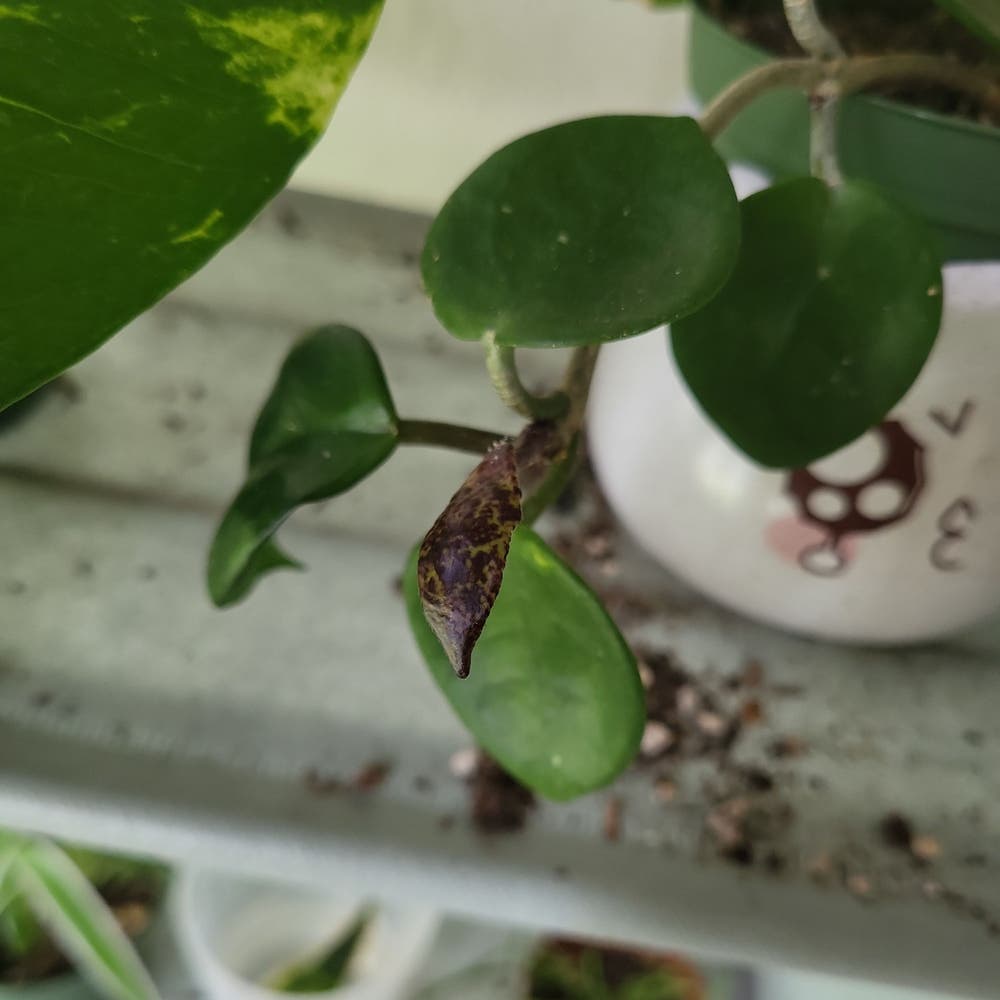
Slowed growth or a general look of "I've seen better days" in your Hoya indicates it's cramped. Leaves throwing shade by changing color? They're not just being dramatic; they're stressed and signaling for more space.

Timing is Everything: Picking the Perfect Moment to Repot
🔄 Syncing with Growth Cycles
Understanding your Chelsea Hoya's growth cycles is crucial when deciding to repot. During active growth phases, the plant is expanding and can better handle the transition to a new pot. Conversely, avoid repotting during dormant periods when the plant is conserving energy.
🌱 Seasonal Smarts: Why Late Winter or Early Spring?
Late winter or early spring is the sweet spot for repotting your Chelsea Hoya. This timing aligns with the plant's natural cycle, preparing it for a period of vigorous growth. Repotting during this time gives your Hoya the chance to establish itself in its new home before expending energy on spring and summer growth spurts.

The Repotting Rundown: A Step-by-Step Guide
💪 Prep Work: Choosing the Right Pot and Soil Mix
Size matters. Your new pot should be just one size larger than the current one. It's like giving your Hoya a slightly bigger bedroom, not a whole mansion. For the soil mix, think gourmet meal: half potting soil, half succulent & cactus mix, a sprinkle of coco coir, and a dash of compost. Charcoal is the optional pinch of spice.
🚚 The Main Event: Moving Your Plant
First, whisper sweet nothings to your Hoya—it's moving day! Gently coax it out of its old pot, like you're helping a friend out of a tight parking spot. Check the roots; if they look like they've been partying a bit too hard, give them a trim. But only if necessary—think of it as a light haircut rather than a full-on makeover.
🏠 Settling In: Post-Repotting Care
Watering is like the first sip of coffee in the morning—wait a day after repotting so the roots can wake up and adjust. Then, give it enough to quench its thirst, but don't drown it. Place your Hoya in a spot with bright, indirect light, like a shady spot on a sunny day. Keep the temperature consistent, because nobody likes a cold draft or a heatwave right after moving house.

Picking the Perfect Pot: Material Matters
🏺 Terracotta vs. Plastic vs. Ceramic: Pros and Cons
Terracotta, the breathable choice, champions root health by wicking away excess moisture—ideal for the overzealous waterer. But, it's a thirsty beast; expect to water more often.
Plastic pots, the lightweights of the pot world, keep soil moist for longer. If you're the forgetful type, they're your forgiving friend. Yet, they might fly away with the first strong gust.
Ceramic pots strike a balance, offering less porosity than terracotta while still allowing some air flow. They're the stylish middle child, but watch out for the potential lack of drainage holes.
🚫 What to Avoid: Materials That Don't Mesh with Hoya Health
Glass and metal pots may look sleek, but they're the helicopter parents of the pot world—overprotective and prone to smothering roots with love, i.e., water. Stick to materials that let your Hoya breathe.
⚠️ Safety First
This content is for general information and may contain errors, omissions, or outdated details. It is not medical, veterinary advice, or an endorsement of therapeutic claims.
Always consult a qualified healthcare professional before using any plant as food, medicine, or supplement.
Never eat any plant (or feed one to pets) without confirming its identity with at least two trusted sources.
If you suspect poisoning, call Poison Control (800) 222-1222, the Pet Poison Helpline (800) 213-6680, or your local emergency service immediately.
Spotted an error? Please report it here.
Repot your Chelsea Hoya with confidence by spotting the tell-tale signs, and let Greg's custom reminders 📅 ensure your plant settles perfectly into its new pot and thrives.