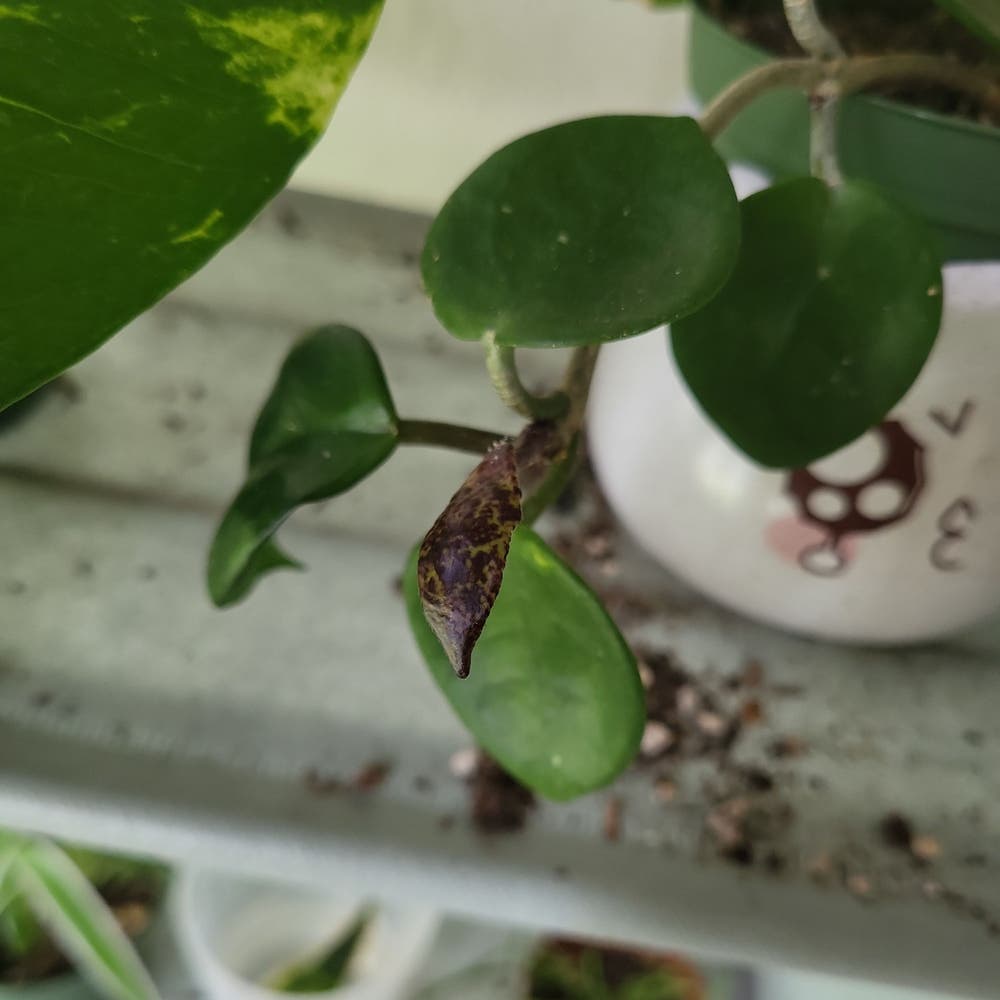
What Are The Bugs on My Chelsea Hoya? 🐞
Hoya carnosa 'Chelsea'
By the Greg Editorial Team
Jun 18, 2024•3 min read
This article was created with the help of AI so we can cover more plants for you. May contain errors. See one? Report it here.
Safeguard your Chelsea Hoya's beauty from bugs 🐛 with these proven, plant-safe pest control tips! 🌿
- 🕷️ Spider mites and mealybugs: Look for webbing and cottony clusters.
- Isolate and treat immediately to prevent pest spread on your Chelsea Hoya.
- Regular inspections and cleanliness keep your plant healthy and pest-free.
Spot the Invaders: Identifying Common Pests on Chelsea Hoya
🕷️ Spider Mites: The Silent Sap-Suckers
Tiny but mighty, spider mites are the ninjas of the plant pest world. Spot their handiwork by looking for fine webbing and speckled, unhappy leaves. To send them packing, neem oil and insecticidal soap are your best allies—apply with a vengeance.
🛡️ Scale: Sticky Foes on Stems and Leaves
Scale bugs are like the uninvited guests who won't leave; they cling to stems and leaves, masquerading as harmless bumps. These sticky adversaries leave a trail of honeydew—a clear sign they're mooching off your plant's vital sap. Fight back with a horticultural oil drench or get hands-on and scrape them off manually.
🦟 Fungus Gnats and Fruit Flies: More Than Just Annoying
Fungus gnats and fruit flies are the party crashers of the bug world, turning your plant's soil into their own personal dance floor. Spot their larvae before the adults start buzzing by checking for tiny white maggots in the soil. Cut off their water supply by letting the soil dry out, and trap adults with sticky traps. For a knockout punch, consider a soil drench with a suitable insecticide.
❄️ Mealybugs: The White Wonders of Woe
Mealybugs look like they've just stepped out of a winter wonderland, leaving cotton-like clusters as evidence of their presence. These pests stress out your Chelsea Hoya faster than a pop quiz on botany. Swipe them away with an alcohol-soaked cotton swab or break out the insecticidal soap for a full-on chemical warfare.

When Unwanted Guests Arrive: Remedies and Treatments
🚨 Immediate Actions: First Response to Pests
🛡️ Quarantine: Isolation Protocol
Isolate your Chelsea Hoya immediately upon noticing pests. Think of it as putting your plant in a protective bubble, away from its leafy friends. This stops the spread of the critters and gives you a chance to tackle the problem head-on.
💉 Spot Treatments: Precision Strikes
For a quick hit, go for spot treatments. Directly apply insecticidal soap or a neem oil mixture to the affected areas. It's like using a scalpel instead of a sledgehammer—you target the pests without overwhelming the plant.
🐜 Long-Term Solutions: Keeping Pests at Bay
🛡️ Systemic Treatments: The Heavy Artillery
When you're dealing with repeat offenders, consider systemic treatments. They work from the inside out, turning your plant into a Trojan horse that's toxic to the munching marauders. But use these sparingly and wisely; they're not your go-to for every little bug.
🚪 Creating an Inhospitable Environment: Adjust and Deter
Adjust your plant care routine to make your Chelsea Hoya as unwelcoming as possible to pests. Overhauling your watering and feeding schedule can be the equivalent of slamming the door in the pests' faces. Keep things clean, and remember, healthy plants are the best deterrent.

Proactive Measures: Preventing Pests on Chelsea Hoya
👀 Regular Check-ups: The Routine Inspection
Regular inspections are the backbone of pest prevention. During check-ups, closely examine leaves, stems, and soil for any signs of pests. Discoloration, webbing, or unusual spots can signal trouble. Use a magnifying glass to spot the almost invisible culprits like spider mites or the early stages of scale and mealybugs.
🌿 Cultural Practices: A Clean and Healthy Environment
Cleanliness is your Hoya's best friend. Remove dead leaves and debris to thwart pest encampments. Ensure the potting mix is free of pests by using sterile soil and clean pots. Adjust humidity levels to mimic the Chelsea Hoya's native environment, making it less inviting for pests. Remember, a stressed plant is a target; keep your Hoya happy with the right light, water, and nutrients.

⚠️ Safety First
This content is for general information and may contain errors, omissions, or outdated details. It is not medical, veterinary advice, or an endorsement of therapeutic claims.
Always consult a qualified healthcare professional before using any plant as food, medicine, or supplement.
Never eat any plant (or feed one to pets) without confirming its identity with at least two trusted sources.
If you suspect poisoning, call Poison Control (800) 222-1222, the Pet Poison Helpline (800) 213-6680, or your local emergency service immediately.
Spotted an error? Please report it here.
Prevent pests from making a home on your Chelsea Hoya by following Greg's custom care schedule 🌿, which includes regular inspection reminders to keep your plants healthy and bug-free!