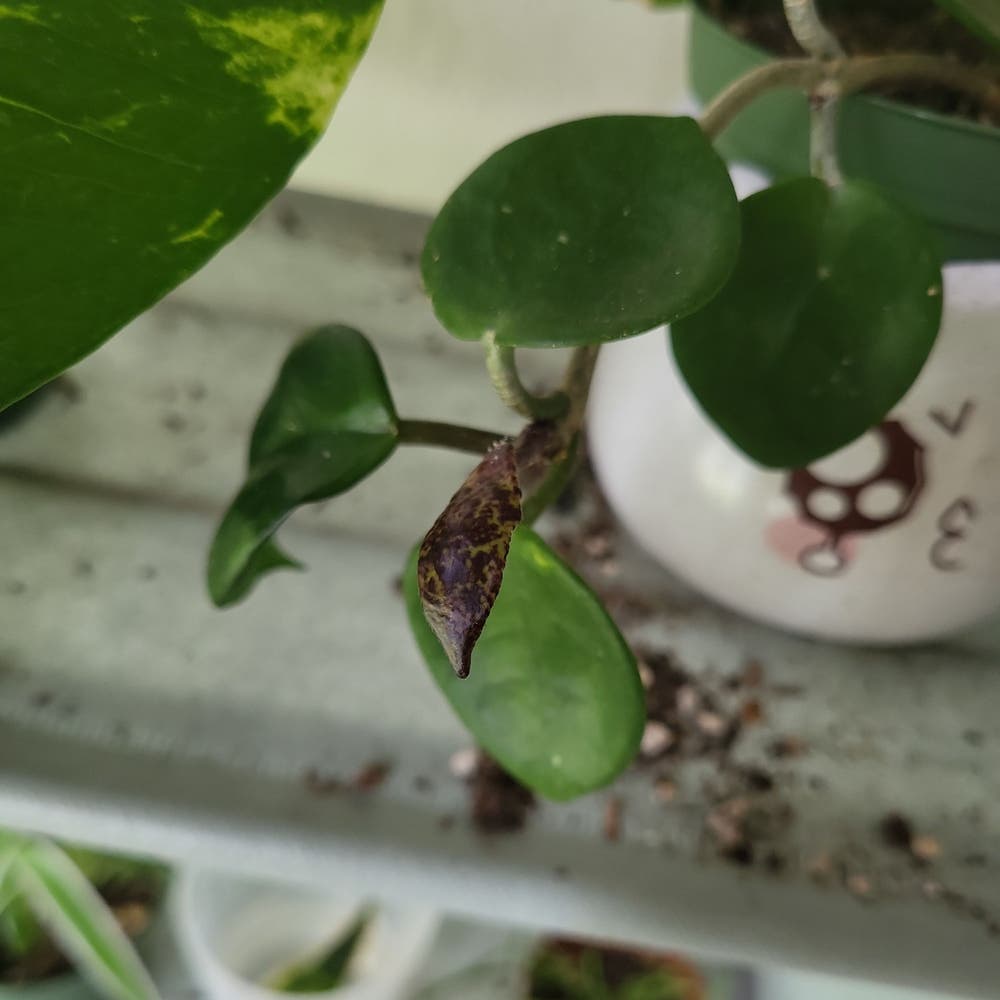
Why Are My Chelsea Hoya Leaves Curling?
Hoya carnosa 'Chelsea'
By the Greg Editorial Team
Jun 18, 2024•4 min read
This article was created with the help of AI so we can cover more plants for you. May contain errors. See one? Report it here.
Unravel the mystery of curling Chelsea Hoya leaves and revive your plant's splendor 🌿 with expert care tips.
- Light, water, and nutrients affect leaf curling; balance them for healthy leaves.
- Pests and diseases cause curling; inspect and treat promptly.
- Consistent care prevents curling; provide ideal light, temperature, and humidity.
Pinpointing the Culprits Behind Curled Leaves
🌞 Light and Temperature Troubles
🌅 Too Much Light
Excessive light scorches leaves, causing them to curl up defensively. It's like a sunburn, but for your Chelsea Hoya.
🌑 Too Little Light
Conversely, insufficient light makes leaves reach and curl, striving for those elusive rays. They're stretching for a sun that's just not there.
🌡️ Temperature Fluctuations
Sudden temperature changes? Leaves react with a dramatic curl. They're not fans of surprise weather twists.
💧 Water Woes and Soil Snafus
💦 Overwatering Signs
Leaves curling down and feeling soggy? That's your Hoya drowning in excess water.
🏜️ Underwatering Signs
Brittle, curling leaves are crying out for a drink. They're parched and thirsty.
🚰 Soil Drainage
Poor drainage equals wet feet and curled leaves. Your plant's roots need to breathe, not swim.
🍽️ Nutrient Needs and Deficiencies
🔍 Spotting Deficiencies
Yellowing leaves? They might be starving for nitrogen. Crispy edges? Potassium is calling.
🥗 Poor Nutrition Link
When nutrients are scarce, leaves curl as if to hoard what little they have. It's a survival strategy.
🐜 Pests and Pathogens
🕷️ Unwelcome Critters
Spider mites and aphids throw parties on leaves, leaving them curled and exhausted.
🦠 Disease Manifestations
Fungal and bacterial infections can twist leaves into unnatural shapes. It's a sickly contortion.

Reviving Your Curly Chelsea Hoya
🌞 Adjusting Your Care Routine
Balancing light and temperature is crucial for your Chelsea Hoya's recovery. Ensure your plant receives bright, indirect sunlight; direct rays can be as harsh as a critic's review. Aim for a temperature range between 60 and 80 degrees Fahrenheit, and keep those cold drafts at bay like unwanted spoilers.
Watering habits need a makeover. If the top inch of soil feels like the Sahara, it's time to water, but don't turn your pot into a swamp. The soak and dry method is your friend here—water thoroughly, then let the soil dry out before the next watering. Consistency is key, so keep your watering schedule as regular as your morning coffee.
🍽️ Feeding Your Foliage Right
Selecting the right fertilizers can be as crucial as picking the right Netflix show for a chill evening. Go for a balanced mix and use it sparingly to avoid nutrient overload. Apply supplements during the growing season, and remember, less is often more when it comes to plant food.
Timing is everything. Supplement application should coincide with your plant's growth phases. Think of it as syncing your playlist to your workout—you want peak performance without overdoing it.
🛡️ Eradicating Unwanted Guests
For pest control, think of it as a velvet rope policy at an exclusive club. Regular inspections are the bouncers, keeping those freeloading pests at bay. If critters do crash the party, opt for safe, targeted treatments—like a bouncer with a polite but firm "You're not on the list."
Disease prevention is about cleanliness and care. Avoid wetting the foliage like you'd avoid double-dipping chips at a party. If disease strikes, act fast with appropriate treatments. It's like catching a typo in an important email—better to fix it before it causes trouble.

Proactive Measures to Keep Leaves Lush and Flat
🌿 Creating the Ideal Environment
Let's get down to business. Light, temperature, and humidity are the trifecta of a happy Chelsea Hoya.
Light and Temperature
- Bright, indirect light is your Hoya's best friend—think of it as the plant equivalent of a perfect, cloud-filtered selfie.
- Keep the thermostat steady, aiming for a comfort zone between 60 and 80 degrees Fahrenheit.
Humidity and Air Circulation
- Humidity should mimic a tropical paradise—moist air is key, but don't turn your living room into a sauna.
- Promote good air circulation; still air is about as beneficial as a screen door on a submarine.
🐜 Ongoing Vigilance Against Pests and Diseases
Your Chelsea Hoya's health depends on your inner Sherlock Holmes.
Regular Inspections
- Inspect leaves regularly for uninvited guests. Pests love a good hideout in those curly leaves.
- Keep an eye out for any signs of disease—discoloration or spots should ring alarm bells.
Preventative Treatments
- Consider preventative treatments like neem oil as a non-toxic shield against the creepy crawlies.
- Keep your plant robust with proper nutrition—healthy plants are like seasoned warriors against infestations.

⚠️ Safety First
This content is for general information and may contain errors, omissions, or outdated details. It is not medical, veterinary advice, or an endorsement of therapeutic claims.
Always consult a qualified healthcare professional before using any plant as food, medicine, or supplement.
Never eat any plant (or feed one to pets) without confirming its identity with at least two trusted sources.
If you suspect poisoning, call Poison Control (800) 222-1222, the Pet Poison Helpline (800) 213-6680, or your local emergency service immediately.
Spotted an error? Please report it here.
Revive your Chelsea Hoya with Greg's 🌿 custom care plan, ensuring the right balance of light, water, and warmth for vibrant, curl-free leaves!