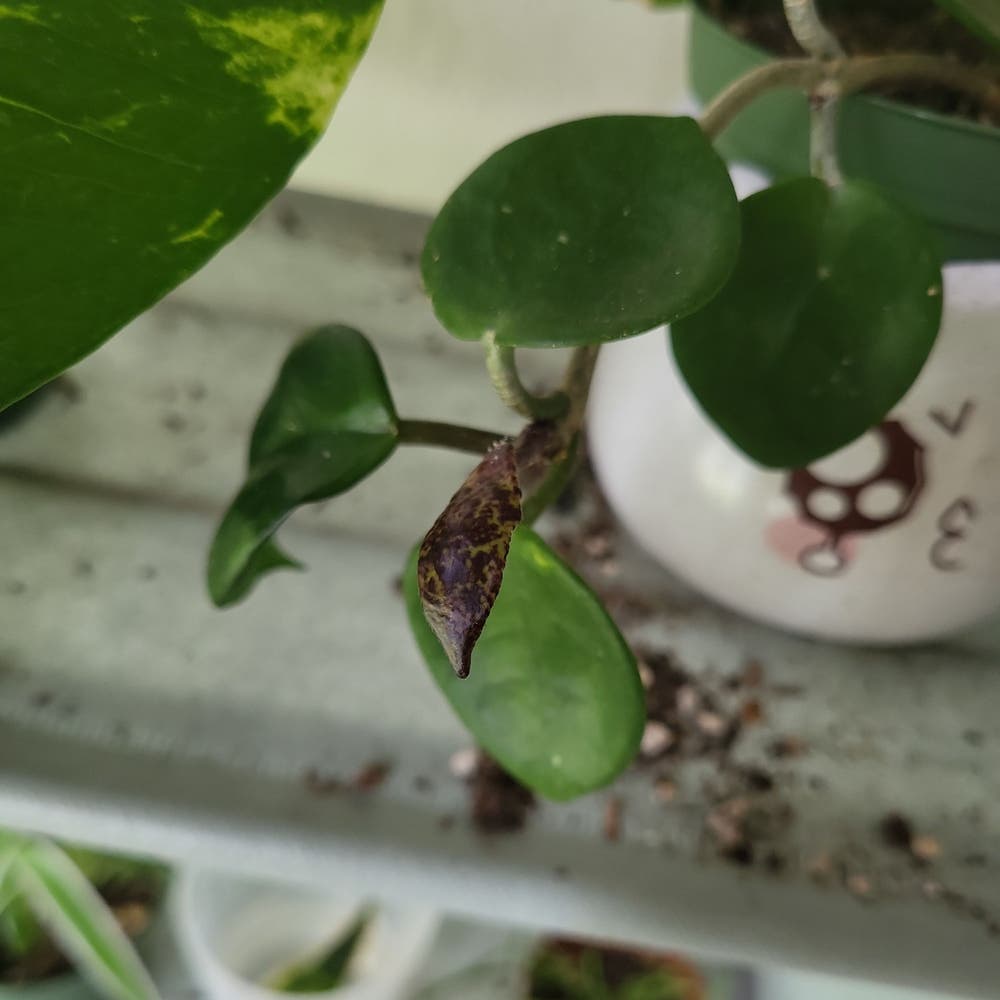
Best Potting Soil Mix for Chelsea Hoya
Hoya carnosa 'Chelsea'
By the Greg Editorial Team
Jun 18, 2024•4 min read
This article was created with the help of AI so we can cover more plants for you. May contain errors. See one? Report it here.
Nurture a thriving Chelsea Hoya 🌿 with the ultimate soil mix guide for peak plant health!
- Mold and compaction signal soil health issues; adjust watering and drainage.
- Well-draining, airy mix with perlite, peat moss, and worm castings is ideal.
- DIY mix customization allows for perfect tailoring to Chelsea Hoya's needs.
Spotting and Fixing Unhealthy Soil
🚩 Recognizing the Red Flags
Mold on your Chelsea Hoya's soil is like an unwanted guest at a party – it's a sign to take action. If the soil smells like a forgotten gym locker or you see a white, fuzzy growth, it's time for a soil health check-up. Compaction is another troublemaker, making it hard for roots to spread their wings.
🛠 The Quick Fix
When you spot mold or compaction, it's crunch time. First, cut back on watering. If the pot lacks drainage, it's time to grab a drill. Add a layer of gravel at the bottom to prevent water from overstaying its welcome. Mixing in perlite or coarse sand can help the soil breathe again, giving your Hoya's roots the space they crave.
🌱 Long-Term Soil Health
For the long haul, adjust your watering to the plant's rhythm – less in winter, more when it's sunny. Choose a pot that's a good wingman for drainage. Keep an eye out for yellowing leaves or a soil that's too clingy, and remember, a well-draining mix is your Hoya's best friend for a root system that's the envy of the plant world.

Tailoring the Perfect Potting Mix
💧 The Ideal Texture and Composition
Chelsea Hoya, with its lush foliage, demands a well-draining and airy soil mix. The goal is to prevent waterlogging, a surefire way to invite root rot. A blend that strikes the right balance includes all-purpose potting soil as a base, perlite for aeration, and peat moss or coco coir for moisture retention and pH balance. Nutrient boosts can come from additions like worm castings or compost. For an extra drainage kick, a sprinkle of coarse sand does wonders.
🛍 Store-Bought vs. Homemade
When time is of the essence, store-bought mixes can be a godsend. Look for bags that are light—indicating good drainage—and check the ingredients for limestone and perlite. However, don't shy away from giving your mix a personal touch; sometimes they need a tweak to meet your Chelsea Hoya's needs.
On the flip side, crafting your own mix can be a rewarding endeavor. It allows for customization to your plant's exact preferences and the peace of mind knowing exactly what's in the mix. Plus, it's like a five-star dinner, tailor-made for your green companion. Just remember to mix thoroughly for an even distribution of all components.

Crafting Your Own Chelsea Hoya Soil Mix
🌱 The Recipe for Success
Creating a custom soil mix for your Chelsea Hoya isn't just about throwing stuff together; it's about understanding what each component does. Orchid bark is your mix's backbone, preventing soil compaction. Coir or peat moss retains just enough moisture without waterlogging the roots. Perlite ensures aeration, letting those roots breathe. And don't forget the worm castings—they're like a slow-release superfood for your plant.
A good starting point is:
- 5 parts orchid bark
- 4 parts coir or peat moss
- 5 parts perlite
- 2 parts worm castings
Feel free to tweak these ratios. More bark and perlite if your home is a humidity haven, or up the coir if you're living in a drier zone.
🧼 Sterilization and Preparation
Before you start mixing, sterilize your tools and containers. A simple bleach solution or hydrogen peroxide swipe does the trick. This step is like the hand-washing of gardening—non-negotiable.
Mix all your ingredients in a clean container. Think of it as a salad for your plant, and give it a good toss. Water the mix thoroughly, then let it drain completely. It's like prepping a five-star hotel room before your Hoya checks in.

When to Refresh or Replace Soil
⏰ Timing is Everything
Knowing when it's time for a soil change is crucial for your Chelsea Hoya's health. Spring is the ideal season for repotting, as plants are gearing up for a growth spurt. Don't just repot on a whim—look for clear signs like a halt in growth, roots peeking out of drainage holes, or soil that's gone from supportive to suffocating. And remember, yearly soil refreshes are like annual check-ups; they keep things running smoothly.
🌱 The Repotting Process
Repotting your Chelsea Hoya doesn't have to be a root-rattling experience. Water the plant a few days before the big move to reduce stress. Gently coax the plant out, tease apart the roots, and remove old soil. Use a mix that's half potting soil, half succulent & cactus mix, with a sprinkle of coco coir and compost for good measure. After repotting, water deeply but don't create a mini flood. Stick to the original lighting conditions to avoid a plant meltdown, and resist the urge to fertilize immediately—let your Hoya settle into its new digs first.
⚠️ Safety First
This content is for general information and may contain errors, omissions, or outdated details. It is not medical, veterinary advice, or an endorsement of therapeutic claims.
Always consult a qualified healthcare professional before using any plant as food, medicine, or supplement.
Never eat any plant (or feed one to pets) without confirming its identity with at least two trusted sources.
If you suspect poisoning, call Poison Control (800) 222-1222, the Pet Poison Helpline (800) 213-6680, or your local emergency service immediately.
Spotted an error? Please report it here.
Keep your Chelsea Hoya's roots happy and healthy by relying on Greg's custom reminders 📅 to refresh the soil mix and perfect your watering schedule.