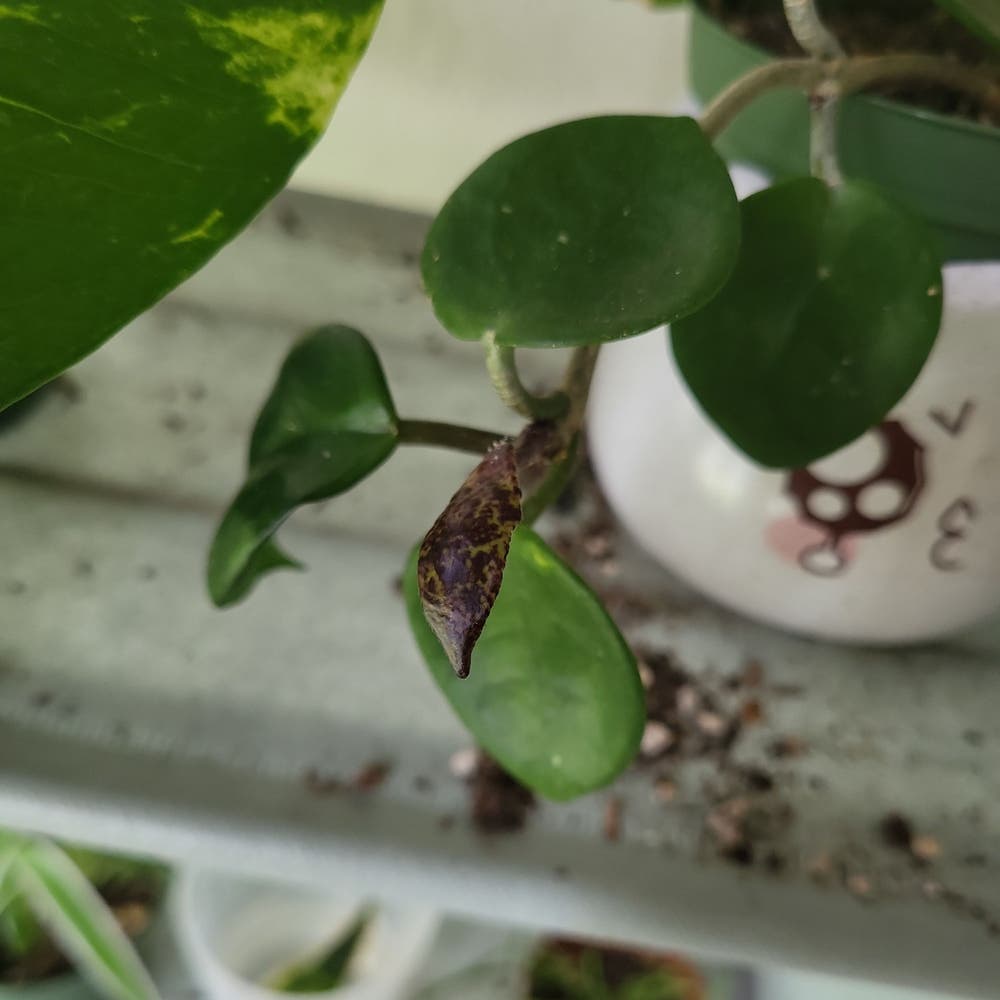
Chelsea Hoya Fertilizer: How and When to Use It
Hoya carnosa 'Chelsea'
By the Greg Editorial Team
Jun 18, 2024•4 min read
This article was created with the help of AI so we can cover more plants for you. May contain errors. See one? Report it here.
Flourish your Chelsea Hoya's blooms 🌸 with the perfect fertilizer timing and choice—your secret to a greener thumb!
- NPK ratios essential for Chelsea Hoya's growth and blooming.
- Monthly fertilization in spring/summer, cut back in autumn.
- 🌱 Over-fertilization signs: yellow leaves, browning tips, white soil layer.
Picking the Right Fertilizer for Your Chelsea Hoya
💡 Understanding NPK Ratios
NPK ratios are like a plant's dietary label, spelling out the balance of nutrients. For Chelsea Hoya, this trio of nitrogen (N), phosphorus (P), and potassium (K) is crucial. Nitrogen boosts leaf growth, phosphorus is key for roots and flowers, and potassium fortifies overall health. A balanced NPK, say 10-10-10, is generally good, but when it's showtime for blooms, a phosphorus-rich mix takes center stage.
💧 Liquid vs. Slow-Release vs. Organic Options
Choosing between liquid, slow-release, or organic fertilizers is like picking a meal plan for your Hoya. Liquid fertilizers are fast-acting, perfect for a quick nutrient fix. Slow-release options are the set-it-and-forget-it type, gradually feeding your plant. Organic choices bring the whole-foods market to your Hoya, often improving soil health along with plant nutrition. Your choice should hinge on your Hoya's needs and your own care routine.

Timing is Everything: When to Fertilize Chelsea Hoya
🌱 Growing Season Guidelines
Spring and summer are prime time for your Chelsea Hoya's growth spurt. During these seasons, fertilize monthly with a liquid fertilizer diluted to 1/4 strength. This is when your plant is in beast mode, soaking up nutrients to support lush foliage and prep for blooming.
Switch up the fertilizer to one higher in phosphorus just before the blooming period. This is like giving your Hoya a backstage pass to the flowering show. Remember, timing is crucial—make the switch before you spot any buds.
Dormancy Period Dos and Don'ts
When autumn leaves start to fall, your Chelsea Hoya begins to yawn. It's dormancy time, and your plant's metabolism slows down. Cut back on the fertilizer; think of it as respecting your plant's need for a seasonal nap.
Over-fertilizing during dormancy is a no-go. It's like force-feeding someone who's not hungry—just plain rude. If you notice a slowdown in growth, check the light and water, but hold off on the nutrients. Your Hoya will thank you by avoiding a groggy wake-up come spring.

The Fertilization Process: Step by Step
💧 Mixing and Diluting Fertilizers
For Chelsea Hoya, it's not just about slapping on some fertilizer and calling it a day. Dilution is your best friend here. Start by mixing a complete liquid fertilizer to 1/4 the strength recommended on the label. This isn't a suggestion; it's a rule. Overdoing it can lead to nutrient burn, and nobody wants that. If you're feeling organic, a springtime sprinkle of worm castings or compost can act as a slow-release alternative.
🚿 Application Techniques
Now, let's talk about getting that diluted goodness to your plant. Fertigation combines watering with fertilizing, and it's as efficient as it gets. Use room-temperature water to avoid shocking your Hoya's roots. Apply the fertilizer mix during your regular watering routine to ensure even distribution. Remember, only during the growing season—spring to summer. And after treating your plant, let the pot drain completely. No soggy bottoms here.

Spotting and Solving Fertilization Issues
🚨 Signs of Over-Fertilization
Yellowing leaves or browning at the tips might not just be your plant being dramatic—they're distress signals. Over-fertilization can lead to a nutrient overdose, and your Chelsea Hoya will let you know. Look for a white, dusty layer on the soil or pot's edge, which is basically your plant saying, "I'm on a salt diet I didn't sign up for."
🚿 How to Respond to Over-Fertilization
Caught your Chelsea Hoya with "wet feet"? Time for an intervention. Flush the soil with water to wash away the excess fertilizer. Think of it as a detox for your plant's roots. Moving forward, remember that less is often more—dial back on the fertilizer and stick to the recommended dosage.
💡 Nutrient Deficiencies and Corrections
Your Chelsea Hoya is a bit of a diva when it comes to nutrients. If it's looking a little lackluster, it might be craving something specific. A higher nitrogen fertilizer encourages lush leaves, while more phosphorus supports those Instagram-worthy blooms.
🌱 Identifying and Fixing Common Nutrient Issues
Spotting black spots or curling leaves? Don't panic—it's not always over-fertilization. These could be signs of irregular watering or too much direct sunlight. Keep a consistent watering schedule and provide bright, indirect light. If the issues persist, consider a foliar feed to give your Chelsea Hoya a quick nutrient boost.
Remember, consistency is key. Keep an eye on your plant and adjust care as needed. Your Chelsea Hoya will thank you with growth and blooms that are nothing short of show-stopping.
⚠️ Safety First
This content is for general information and may contain errors, omissions, or outdated details. It is not medical, veterinary advice, or an endorsement of therapeutic claims.
Always consult a qualified healthcare professional before using any plant as food, medicine, or supplement.
Never eat any plant (or feed one to pets) without confirming its identity with at least two trusted sources.
If you suspect poisoning, call Poison Control (800) 222-1222, the Pet Poison Helpline (800) 213-6680, or your local emergency service immediately.
Spotted an error? Please report it here.
Ensure your Chelsea Hoya flourishes with vibrant blooms 🌺 by relying on Greg's personalized care reminders to perfect your fertilizing routine without the guesswork.