🌞 Does My Chelsea Hoya Need Direct Sunlight?
Hoya carnosa 'Chelsea'
By the Greg Editorial Team
Jun 18, 2024•5 min read
This article was created with the help of AI so we can cover more plants for you. May contain errors. See one? Report it here.
Nurture your Chelsea Hoya to lush health by cracking its sunlight code—no direct rays needed! 🌿✨
- 🌱 Chelsea Hoya thrives in bright, indirect light for about 6 hours daily.
- Leaf health indicates light levels; adjust plant position as needed.
- Rotate seasonally and use light filters to protect from direct sun.
Sunlight Simplified for Chelsea Hoya
🌞 What Direct Sunlight Really Means for Your Plant
Imagine sunlight as a spotlight in a theater—direct sunlight is the intense beam hitting the stage head-on, while indirect sunlight is the softer glow filling the room. Your Chelsea Hoya craves the latter. Direct sunlight? It's a no-go; think of it as the plant's kryptonite. The Chelsea Hoya thrives in bright, indirect light, ideally basking for about 6 hours daily. Too much direct sun and your plant might start looking like it's begging for mercy.
Chelsea Hoya's Leaf Language
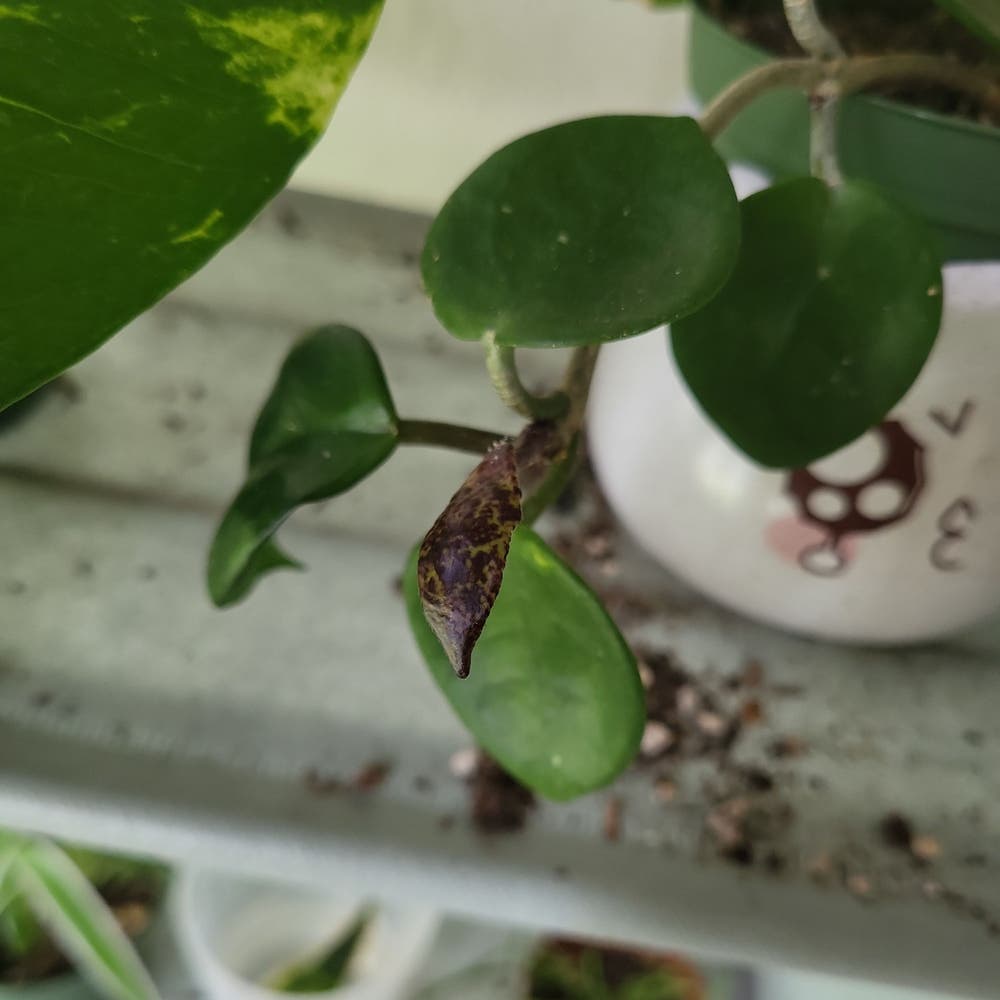
Leaves don't lie. If they're turning yellow, it's the plant's way of waving a white flag at the sun. Crispy leaves? That's a full-on SOS. Your Chelsea Hoya is telling you it's had more than its fair share of UV rays. Conversely, leggy growth and a lackluster vibe might mean it's starved for light. Adapt your care by moving your plant closer to or further from the window, depending on these telltale signs. Your Chelsea Hoya's leaf health is the best feedback you'll get, so pay attention—it's like a living, breathing mood ring.

Finding the Sweet Spot: Chelsea Hoya and Your Windows
⛅️ The Direction Dilemma: North, South, East, or West?
Chelsea Hoya's light appetite is specific, and your windows are the waiters serving up the daily special. South-facing windows are the all-you-can-eat buffet of sunlight, great for plants that crave constant sunbathing. But if you're chilling in the Southern Hemisphere, it's the north-facing windows that are your plant's best friend, offering the most generous light portions.
East-facing windows are the breakfast-in-bed option, delivering a gentle morning light that won't overwhelm your Chelsea Hoya. West-facing windows, on the other hand, are like a late brunch, offering a stronger dose of afternoon light. Your Chelsea Hoya might appreciate the west for a bit of a boost, but too much can lead to a sunburnt siesta.
⚖️ Hemisphere Highlights: Adjusting for Your Location
Your spot on the globe plays a crucial role in your Chelsea Hoya's sunbathing habits. Hemisphere adjustments are like changing the dress code based on the event's location. If you're up north, south windows are your go-to for maximum light. Flip that if you're down under, where north-facing windows take the spotlight.
Remember, it's not just about picking a direction; it's about tweaking the rules based on your specific global address. Your Chelsea Hoya doesn't need a tan, just the right amount of glow to thrive. Keep an eye on the sun's path, and adjust your plant's position to match its light needs without overdoing it.

Seasonal Sunlight Strategies for Chelsea Hoya
🌞 Summer vs. Winter: Adapting to the Extremes
As the seasons shift, so must your Chelsea Hoya's spot in your home. The sun's angle changes, and with it, the intensity of the light that bathes your plant.
Summer calls for a strategic retreat. The sun is a relentless overachiever, and your Chelsea Hoya isn't signing up for that boot camp. Move it away from windows where the light is too direct, especially during the midday peak. Think of it as giving your plant some stylish sunglasses.
Come winter, the sun gets lazy, barely skimming the horizon. Your Chelsea Hoya will need to cozy up closer to the window to catch those precious rays. Just ensure it's not pressed against the cold glass; nobody likes a chilly back.
🌱 Practical Tips for Shifting Chelsea Hoya's Position with the Seasons
- Rotate your plant regularly to ensure even growth; it's like turning a rotisserie chicken for that perfect golden tan.
- If your plant starts to look like it's reaching for something it can't have, it's probably craving more light. Time to scoot it a bit closer to the window.
- In the height of summer, consider a sheer curtain to diffuse the light. It's like applying a gentle Instagram filter to your plant's daily life.
- Monitor leaf color—a tinge of yellow might mean your Chelsea Hoya is getting more sun than it signed up for.
- When the days grow short, don't be shy to introduce a grow light. It's like a vitamin D supplement for your green buddy.
- Remember, your plant's needs can be as fickle as the weather. Stay observant and be ready to pivot. Your Chelsea Hoya will thank you with lush, vibrant growth.

Protecting Chelsea Hoya from Too Much of a Good Thing
🌞 Sun Shields and Light Filters
Sheer curtains are like sunscreen for your Chelsea Hoya, diffusing that intense midday sun into a gentle, plant-friendly glow. If you're the DIY type, rigging up a shade cloth can be your weekend warrior project, especially when the sun is in full "I'm going to scorch everything I touch" mode.
Reflective surfaces aren't just for checking out your plant-parent glow-up—they can bounce light around a dim room. But remember, mirrors and shiny surfaces can amplify light too much, so position your Chelsea Hoya out of the direct line of fire.
When the sun plays hard to get, or you're living in a cave-like apartment, artificial lighting steps up. LED grow lights are the MVPs here, offering a full spectrum without turning your Chelsea Hoya into a crispy critter. Just keep it supplemental, not a sun substitute.
If your Chelsea Hoya's leaves could talk, they'd tell you that the afternoon sun is not their friend. It's like being at the beach at noon without an umbrella—unpleasant and potentially leaf-threatening. So, when the sun is on its daily tirade, a strategically placed shade cloth or curtain can save the day.
In the end, it's all about balance. Too much sun, and your Chelsea Hoya might start rocking the sunburnt look—brown, crispy, and definitely not chic. Too little, and it's like living on a diet of bread and water—survivable, but not exactly thriving. Keep an eye on your green buddy and adjust its sun hat accordingly.
⚠️ Safety First
This content is for general information and may contain errors, omissions, or outdated details. It is not medical, veterinary advice, or an endorsement of therapeutic claims.
Always consult a qualified healthcare professional before using any plant as food, medicine, or supplement.
Never eat any plant (or feed one to pets) without confirming its identity with at least two trusted sources.
If you suspect poisoning, call Poison Control (800) 222-1222, the Pet Poison Helpline (800) 213-6680, or your local emergency service immediately.
Spotted an error? Please report it here.
Keep your Chelsea Hoya thriving 🌿 by leveraging Greg's PlantVision to precisely gauge and adjust its light exposure, ensuring it gets just the right amount of indirect sunlight.