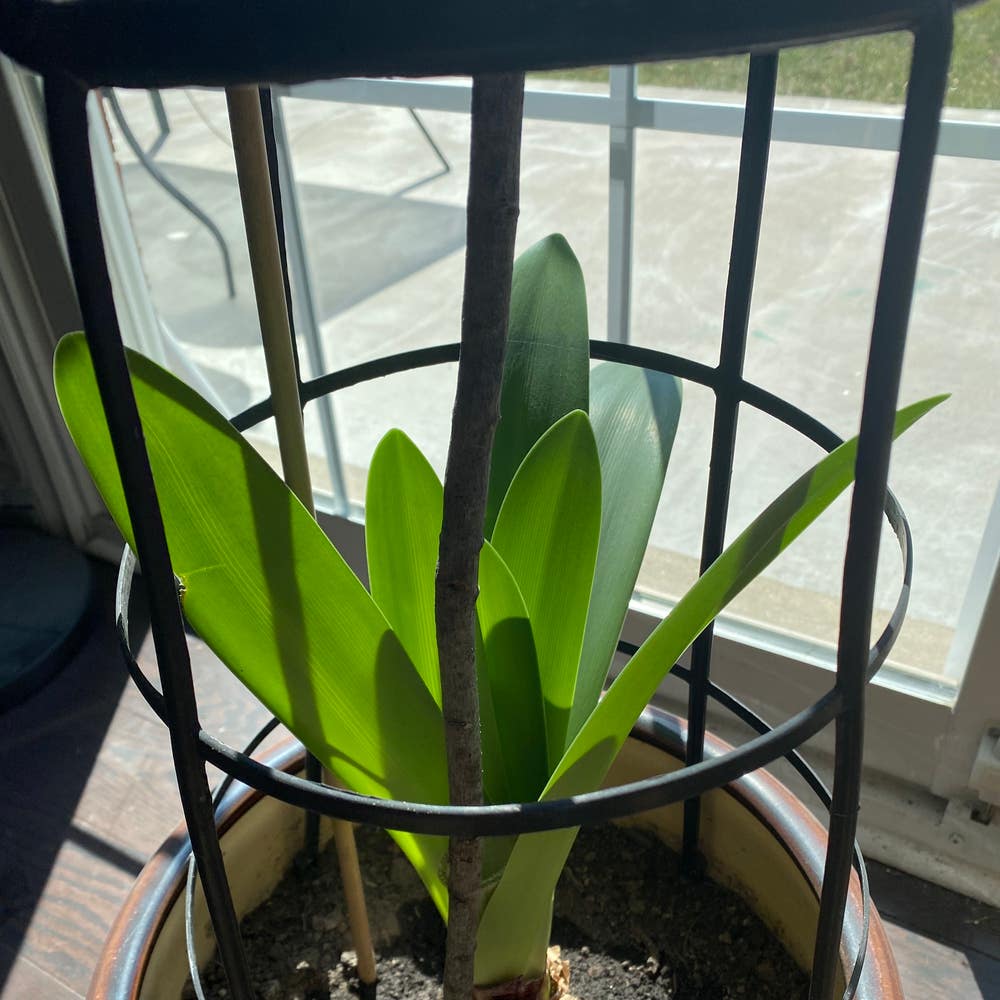
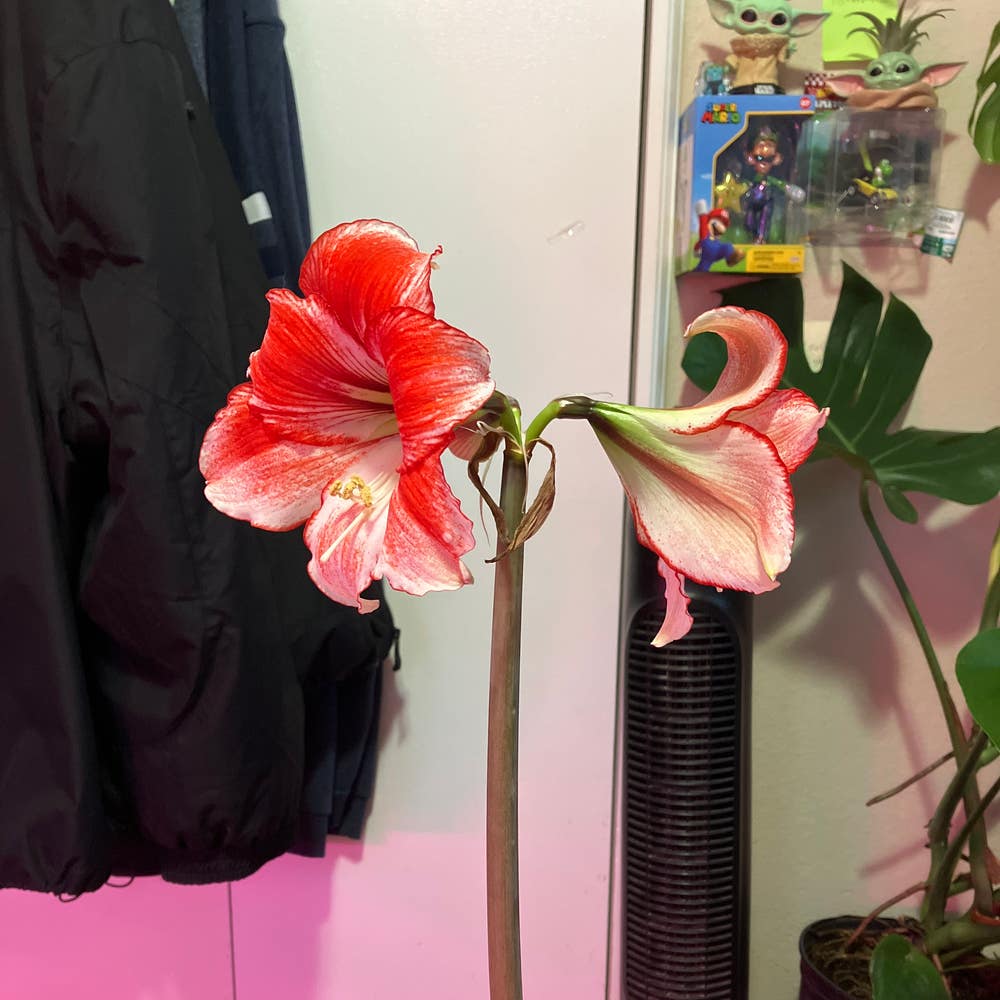
🌸 Ultimate Guide to Fixing Dropping Leaves on
Amaryllis belladonna
By the Greg Editorial Team
Oct 04, 2024•5 min read
This article was created with the help of AI so we can cover more plants for you. May contain errors. See one? Report it here.
Master essential care tips to prevent leaf drop in your Naked Ladies 🌸 and keep your garden thriving!
- 💧 Overwatering and underwatering both cause leaf drop; balance is key for Naked Ladies.
- 🌞 Full sun exposure is essential; insufficient light leads to leggy growth and pale leaves.
- 🐛 Inspect regularly for pests like aphids; early detection prevents significant damage.
Causes of Leaf Drop
🌊 Overwatering and Root Rot
Overwatering is a common culprit behind leaf drop in Naked Ladies. Symptoms include yellowing leaves and mushy roots, indicating that the plant is drowning.
To prevent this, establish a consistent watering schedule and regularly check the soil for moisture levels. This will help maintain a healthy balance.
💧 Underwatering and Drought Stress
On the flip side, underwatering can lead to drought stress, causing wilting leaves and crispy edges.
Regular watering practices are essential to keep your plants hydrated and thriving.
🕳️ Poor Soil Drainage
Poor soil drainage can manifest as water pooling around the plant or slow drainage after watering.
To remedy this, consider soil amendments like perlite or sand, and ensure your containers have adequate drainage holes.
☀️ Insufficient Sunlight Exposure
Insufficient sunlight can result in leggy growth and pale leaves.
Aim for optimal sunlight conditions, ideally full sun for several hours a day, to keep your Naked Ladies vibrant.
🐜 Pest Infestations
Common Pests
Aphids are notorious for their signs of infestation, including distorted leaves and sticky residue.
Spider mites, on the other hand, can be identified by fine webbing and speckled leaf damage, both of which can severely impact leaf health.
🥦 Nutrient Deficiencies
A lack of potassium can lead to yellowing leaves and poor foliage health.
Balanced fertilization is crucial to ensure your plants receive the nutrients they need to flourish.
🌡️ Environmental Stress
Temperature fluctuations can stress your plants, leading to leaf drop.
Seasonal changes also play a significant role in plant care, so be mindful of how these factors influence your Naked Ladies' health.
Understanding these causes is the first step toward effective solutions. Next, we’ll explore how to diagnose the specific issues affecting your plants.
Diagnosing the Problem
🌊 Signs of Overwatering vs. Underwatering
Recognizing the signs of overwatering and underwatering is crucial for your Naked Ladies. Overwatered plants often display yellowing leaves and a mushy texture, while underwatered ones may have wilting leaves with crispy edges.
To accurately diagnose the issue, examine the roots. Healthy roots should be firm and white, whereas rotting roots will appear brown and mushy.
🐛 Identifying Pest Damage
Pest infestations can wreak havoc on your plants. Look for visual signs such as leaf spots, webbing, or sticky residue, which indicate that pests like aphids or spider mites might be present.
Regular inspections are key. Make it a habit to check your plants frequently to catch any issues early.
🌱 Assessing Soil Conditions
Soil conditions play a significant role in plant health. Pay attention to soil texture; well-draining soil is essential for preventing root rot and ensuring proper aeration.
Testing moisture levels can provide insight into your soil's health. Use simple techniques like the finger test or moisture meters to gauge how wet or dry your soil is.
☀️ Evaluating Light Exposure
Light exposure is another critical factor in plant care. Measuring sunlight can be done using tools like light meters or simply observing how shadows fall throughout the day.
If your Naked Ladies aren’t getting enough light, consider adjusting their placement. Moving them to a sunnier spot can make a world of difference in their growth and vitality.
By diagnosing these issues effectively, you can take the necessary steps to restore your Naked Ladies to their vibrant selves. Next, let’s explore practical solutions and treatments to address these problems head-on.
Preventive Measures
🌱 Best Practices for Seasonal Care
Adjusting your watering and fertilization practices with the seasons is crucial for maintaining healthy Naked Ladies. In spring and summer, increase watering frequency as temperatures rise, while reducing it during fall and winter.
Preparing for dormancy is equally important. As summer ends, cut back on watering and stop fertilizing to allow your plants to rest and conserve energy.
🔍 Regular Monitoring for Pests and Diseases
Regularly inspecting your plants can save you from bigger problems down the line. Aim to check your Naked Ladies at least once a week for any signs of pests or diseases.
Early intervention is key. If you spot any issues, address them promptly to prevent further damage and keep your plants thriving.
🧪 Soil Testing and Amendments
Soil health is foundational for your plants. Use DIY testing kits or consider professional services to assess your soil’s nutrient levels and pH.
Based on the results, amend your soil accordingly. Adding organic matter or specific nutrients can significantly enhance plant health and growth.
🌼 Proper Planting Techniques
Getting the planting depth right is essential for bulb health. Ensure that your Naked Ladies are planted at the recommended depth to promote strong root development.
Spacing is also vital. Allow enough room between plants to ensure good air circulation, which helps prevent diseases and encourages healthy growth.
By implementing these preventive measures, you can create a thriving environment for your Naked Ladies. This proactive approach will not only enhance their health but also minimize the risk of leaf drop and other issues.
Next, let’s dive into diagnosing the problems that may arise with your plants.
⚠️ Safety First
This content is for general information and may contain errors, omissions, or outdated details. It is not medical, veterinary advice, or an endorsement of therapeutic claims.
Always consult a qualified healthcare professional before using any plant as food, medicine, or supplement.
Never eat any plant (or feed one to pets) without confirming its identity with at least two trusted sources.
If you suspect poisoning, call Poison Control (800) 222-1222, the Pet Poison Helpline (800) 213-6680, or your local emergency service immediately.
Spotted an error? Please report it here.
Keep your Naked Ladies thriving 🌼 by using Greg's tailored watering reminders and community insights to tackle leaf drop and ensure vibrant growth!