🌼 Top 9 Signs Your Naked Ladies is Stressed in Winter
Amaryllis belladonna
By the Greg Editorial Team
Oct 12, 2024•3 min read
This article was created with the help of AI so we can cover more plants for you. May contain errors. See one? Report it here.
Help your Naked Ladies survive winter dormancy 🌱 with essential tips for frost protection and watering adjustments!
- ❄️ Naked Ladies enter dormancy in winter, needing less water and nutrients.
- 🌱 Frost protection and mulch are vital for bulb survival during harsh conditions.
- 🌼 Signs of stress include yellowing leaves and wilting; adjust care accordingly.
Winter Behavior
Dormancy Characteristics 🌱
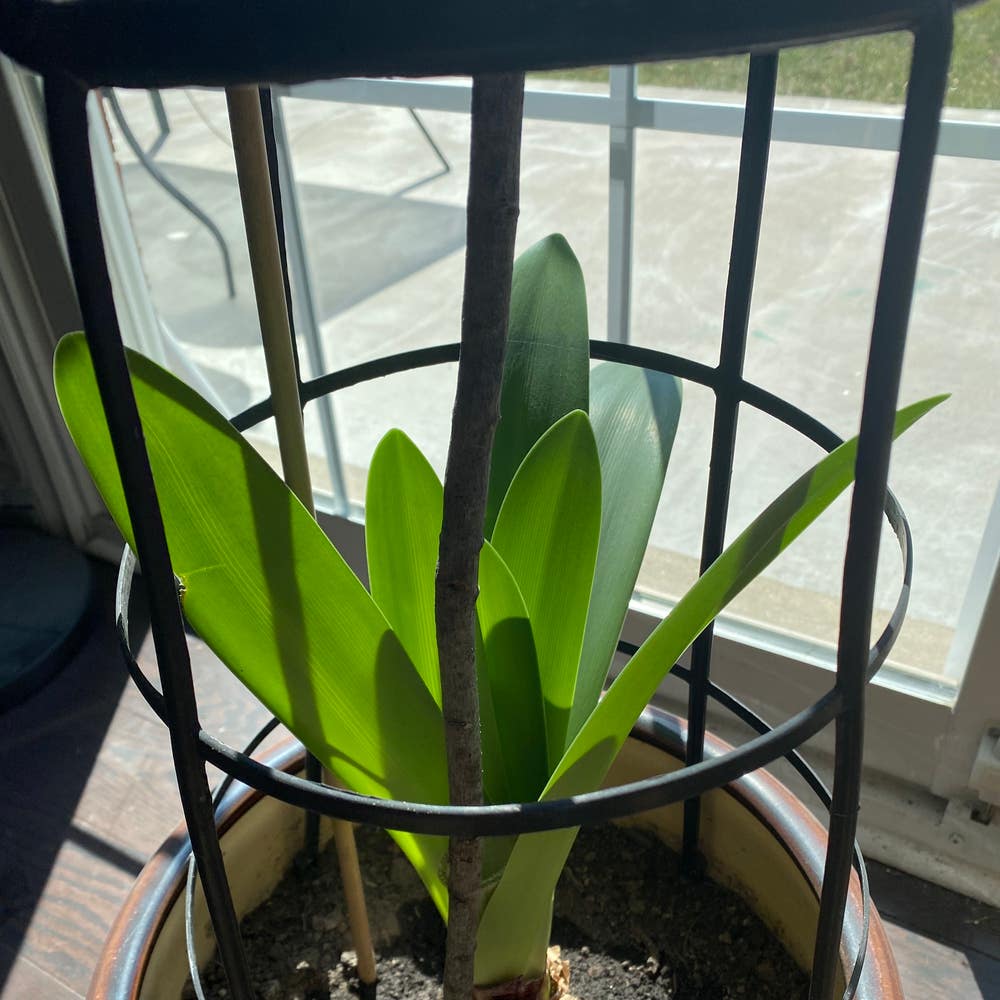
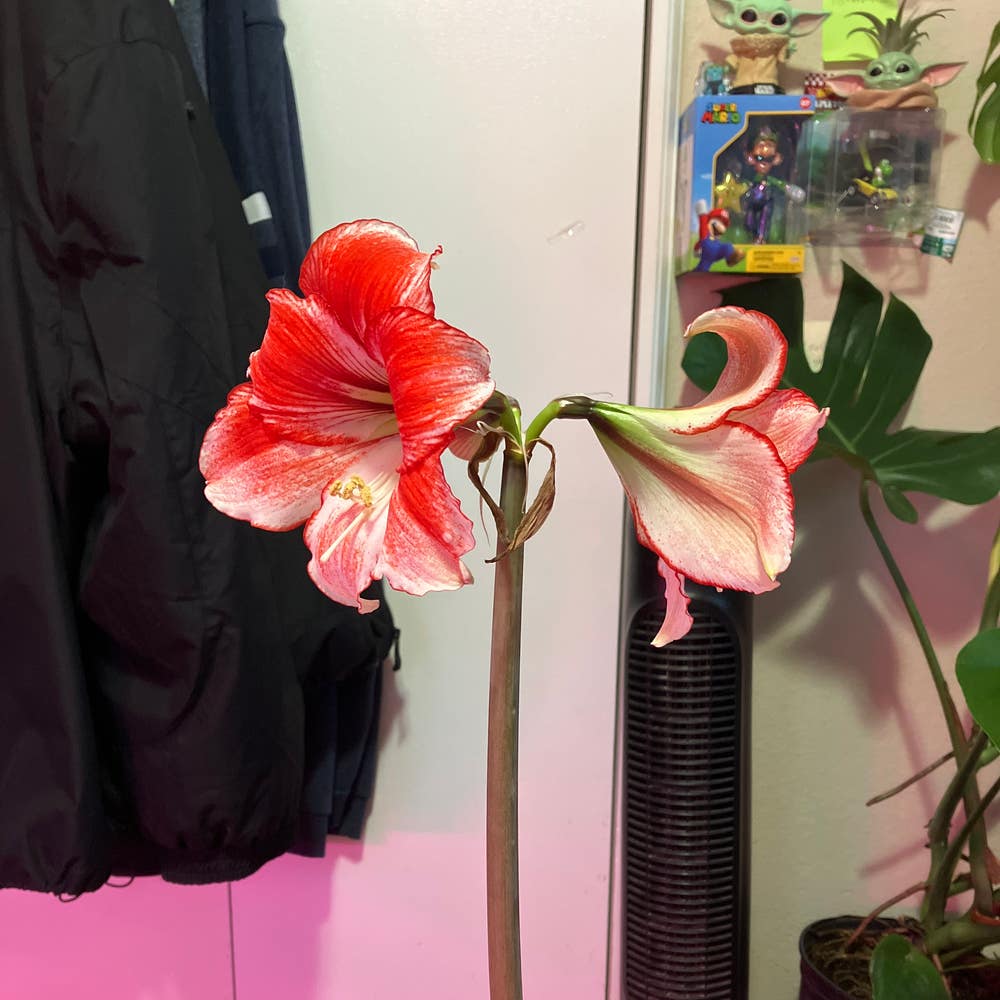
Naked Ladies, also known as Amaryllis belladonna, enter a dormant phase during winter. This period is crucial for their survival, as they significantly reduce water and nutrient uptake.
Understanding this dormancy is essential for proper care. It helps you recognize that your plants are not dead but merely resting, preparing for the vibrant growth that spring will bring.
Winter Care Requirements
❄️ Frost Protection
Naked Ladies are particularly vulnerable to frost damage, making protection essential. Implementing effective frost protection techniques can save your plants from harsh winter conditions.
Mulching: Apply a thick layer of organic mulch around the base of the plants. This helps insulate the bulbs and retain soil moisture.
Covering: During extreme cold snaps, use frost cloths or blankets to shield your Naked Ladies. This extra layer can make a significant difference in their survival.
Location: Position your plants in sheltered areas to minimize exposure to harsh winds and freezing temperatures. A strategic location can enhance their resilience.
💧 Adjusting Watering Schedules
As winter sets in, it's crucial to adjust your watering schedule. Naked Ladies require significantly less water during this dormant phase.
Water only if the soil is completely dry. Overwatering can lead to bulb rot, which is detrimental to their health.
Ensure the soil is well-drained to prevent excess moisture accumulation. This simple step can help maintain bulb integrity.
Signs to Monitor: Regularly check moisture levels in the soil. If it feels damp, hold off on watering to avoid stressing your plants.
🌱 Fertilizing Needs During Dormancy
During dormancy, Naked Ladies do not require fertilization. It's vital to resist the urge to feed them until spring growth resumes.
Waiting until the plants show signs of new growth is key. This ensures they receive nutrients when they can effectively utilize them.
Once growth begins, use a balanced fertilizer to support their recovery. This will help your Naked Ladies thrive as they transition out of dormancy.
By following these winter care requirements, you can help your Naked Ladies endure the cold months and emerge healthy in spring. Next, let's explore how to care for these plants indoors during winter.
Common Problems and Solutions
Identifying and Addressing Winter Stress Symptoms 🌨️
Winter can be tough on Naked Ladies, leading to several stress symptoms. Look out for yellowing leaves, wilting, and bulb rot, which are clear indicators that your plants are struggling.
To combat these issues, adjust your watering practices. Ensure the soil drains well to prevent waterlogging, which can exacerbate bulb rot. Additionally, implement frost protection measures if your plants are exposed to harsh conditions.
Recovery Strategies for Damaged Plants 🌱
If your Naked Ladies show signs of damage, start by trimming away any dead or damaged foliage. This helps the plant redirect energy towards healthy growth.
Next, reassess your watering and fertilizing schedules based on how the plant responds. Monitor closely for any pests or diseases that may arise from winter stress, as these can complicate recovery.
By staying attentive and proactive, you can help your Naked Ladies bounce back stronger than ever.
⚠️ Safety First
This content is for general information and may contain errors, omissions, or outdated details. It is not medical, veterinary advice, or an endorsement of therapeutic claims.
Always consult a qualified healthcare professional before using any plant as food, medicine, or supplement.
Never eat any plant (or feed one to pets) without confirming its identity with at least two trusted sources.
If you suspect poisoning, call Poison Control (800) 222-1222, the Pet Poison Helpline (800) 213-6680, or your local emergency service immediately.
Spotted an error? Please report it here.
Recognize the signs of winter stress in your Naked Ladies and help them thrive 🌱 with Greg's tailored care reminders that ensure they bounce back stronger come spring!