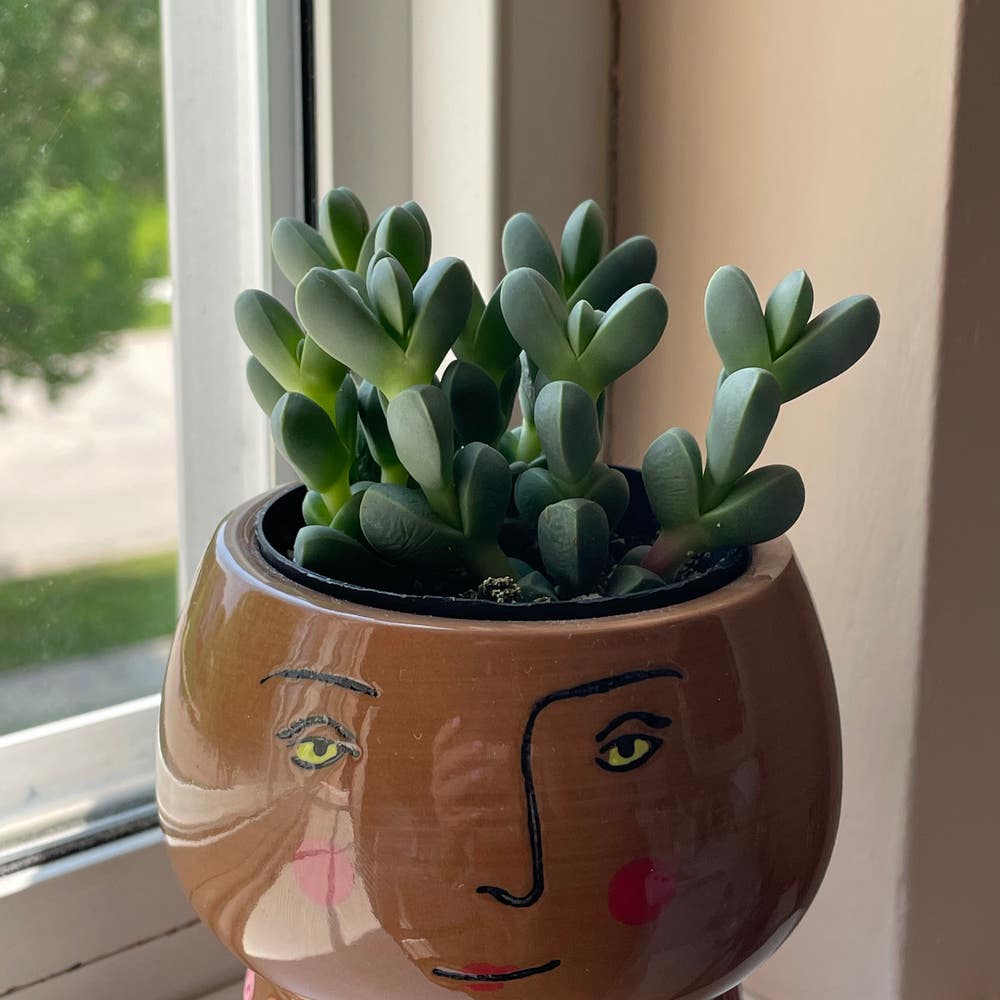
🌵 All About Maximilian's Braunsia: Essential Facts
Braunsia maximiliani
By the Greg Editorial Team
Feb 02, 2025•11 min read
This article was created with the help of AI so we can cover more plants for you. May contain errors. See one? Report it here.
Cultivate a stunning garden oasis 🌱 with Maximilian's Braunsia, a resilient plant that attracts pollinators and thrives effortlessly!
- 🌞 Maximilian's Braunsia needs 6-8 hours of sunlight daily for optimal growth.
- 🌱 Well-draining soil with pH 6.0-7.5 is essential for healthy development.
- 💧 Water deeply but infrequently to prevent overwatering and promote drought resistance.
How to Grow
Choosing the Right Location 🌞
Maximilian's Braunsia thrives in full sun, requiring 6 to 8 hours of direct sunlight daily. When selecting a spot, consider wind protection, especially in open areas, to shield your plants from harsh gusts.
Soil Preparation 🌱
For optimal growth, aim for well-draining sandy or loamy soil. Amending the soil with organic matter enhances fertility and drainage, while maintaining a slightly acidic to neutral pH (6.0 to 7.5) is crucial for healthy roots.
Planting Techniques 🌼
When planting outdoors, space your Maxilian's Braunsia 18 to 24 inches apart to allow for proper growth. If you're using containers, choose pots with drainage holes, ensuring they are at least 12 inches in diameter to accommodate root development.
Watering Requirements 💧
Water your plants deeply but infrequently, allowing the soil to dry out between watering sessions. Watch for signs of overwatering, such as yellowing leaves or wilting, which can indicate that your plants are receiving too much moisture.
Fertilizing Schedule 🌿
A balanced NPK fertilizer (10-10-10) works wonders for Maxilian's Braunsia. Apply it in early spring and again in mid-summer to support robust growth and flowering.
Pruning Methods ✂️
Timing is key when pruning; late winter or early spring is ideal, just before new growth begins. Focus on removing dead or damaged stems to encourage healthy development and a more vigorous plant.
Ongoing Care Practices 🛡️
Regular monitoring for pests and diseases is essential to keep your plants thriving. Additionally, mulching helps retain moisture and suppress weeds, making your gardening efforts more manageable.
With these foundational growing techniques, you're well on your way to cultivating a vibrant and healthy Maxilian's Braunsia garden. Next, let’s explore the propagation methods to expand your collection!
Propagation
🌱 Seed Propagation (difficulty: easy)
Seed propagation is a straightforward method for growing Maximilian's Braunsia.
- Sowing depth: Plant seeds at a depth of 1/4 inch.
- Germination time: Expect germination within 14-30 days.
- Optimal temperature: Maintain a temperature of 70°F (21°C) for best results.
✂️ Division of Established Plants (difficulty: moderate)
Dividing established plants is another effective propagation technique.
- Timing: The best time for division is early spring or fall.
- Techniques: Carefully dig up the plant, separate the roots, and replant the sections to encourage new growth.
By utilizing these propagation methods, you can easily expand your garden with more Maximilian's Braunsia. This not only enhances your landscape but also supports local biodiversity.
Lifecycle
Germination Process 🌱
The journey of Maximilian's Braunsia begins with germination, which typically takes 14-30 days from sowing to the seedling stage. This initial phase is crucial for establishing a strong foundation for future growth.
Vegetative Growth Phase 🌿
Once germination is complete, the plant enters the vegetative growth phase, lasting about 2-3 months. During this time, the plant focuses on developing its foliage and root system, setting the stage for vibrant blooms.
Flowering Timeline 🌸
The flowering phase occurs in the late summer to early fall, showcasing stunning spikes of flowers. This period not only enhances the garden's aesthetic but also attracts pollinators, contributing to biodiversity.
Seed Production 🌾
After the flowering phase, the plant shifts its energy towards seed production. Seeds mature in late fall, ensuring the continuation of the species for the next growing season.
Growth Rate 🚀
Maximilian's Braunsia reaches full maturity in approximately 2-3 years. Under optimal conditions, it exhibits a fast growth rate, rewarding gardeners with lush greenery and beautiful blooms in a relatively short time.
This lifecycle overview highlights the resilience and beauty of Maximilian's Braunsia, making it a fantastic addition to any garden. Next, we will explore the plant's size and growth characteristics.
Size
Mature Height and Spread 🌳
Maximilian's Braunsia typically reaches a height of 3 to 5 feet, making it a striking addition to any garden. Its spread ranges from 2 to 3 feet wide, allowing it to create a visually appealing presence without overwhelming nearby plants.
Growth Rate 📈
The average growth rate of Maximilian's Braunsia is moderate, influenced by various environmental factors. Under optimal conditions, you can expect it to flourish and fill its designated space effectively.
Size Variability 📏
Several factors can affect the size of Maximilian's Braunsia, including soil quality, water availability, and sunlight exposure. Generally, it takes about 2 to 3 years to reach its full size, so patience is key as you nurture this beautiful plant.
As you plan your garden, consider these size characteristics to ensure a harmonious layout. Next, let's explore the fascinating root system that supports this resilient plant.
Roots
Description of the Root System 🌱
Maximilian's Braunsia features a fibrous root system that is essential for its growth. These deeply penetrating roots enhance the plant's drought resistance, allowing it to thrive even in less-than-ideal conditions.
Root Depth and Spread 📏
The roots can reach depths of 2-3 feet, providing stability and anchorage. They also spread laterally, which helps support the plant and absorb nutrients efficiently.
Common Root-Related Issues ⚠️
Healthy roots are characterized by their firmness and white color. If you notice roots circling the pot or emerging from drainage holes, your plant may be rootbound, indicating it's time for some intervention.
Solutions for Rootbound Plants 🛠️
If your plant's growth stalls or it becomes top-heavy, it's time to act. Solutions include repotting into a larger container or dividing the plant to encourage healthy growth.
Understanding the root system of Maximilian's Braunsia is crucial for its overall health. With proper care, you can ensure your plant thrives and continues to bring beauty to your garden.
Next, let's explore the benefits of growing this remarkable plant.
Benefits
Key Benefits 🌼
Maximilian's Braunsia offers a range of benefits that make it a fantastic addition to any garden.
Attracts Pollinators: This plant is a magnet for bees and butterflies, enhancing garden biodiversity and supporting the ecosystem.
Drought-Resistant: Once established, it requires significantly less water, making it a sustainable choice for water-conscious gardeners.
Visual Interest: With its tall flower spikes, it adds height and drama to garden landscapes, creating a stunning focal point.
Supports Local Wildlife: Beyond pollinators, it provides habitat and food for birds and beneficial insects, promoting a thriving garden ecosystem.
Cultural Significance: Incorporating this plant into native gardens fosters ecological awareness and appreciation for local flora.
These benefits not only enhance the beauty of your garden but also contribute positively to the environment. As you consider adding Maximilian's Braunsia to your space, think about the ecological impact and the joy it can bring to your outdoor experience.
Next, let's explore the concept of companion planting and how it can further enrich your gardening efforts.
Companion Plants
Explanation of Companion Planting 🌱
Companion planting is a gardening technique that enhances biodiversity and promotes plant health. By strategically placing plants together, you can improve pest management and create a thriving ecosystem in your garden.
Beneficial Companion Plants 🌼
When growing Maximilian's Braunsia, consider pairing it with prairie grasses. These plants share similar care requirements and attract pollinators, boosting your garden's overall health.
Coneflowers are another excellent companion. They not only draw beneficial insects but also add visual appeal, creating a vibrant and lively garden space.
Plants to Avoid 🚫
Be cautious with heavy feeders like tomatoes. These plants can compete for nutrients, potentially stunting the growth of your Maximilian's Braunsia.
By choosing the right companions, you can create a flourishing garden that benefits all its inhabitants. This thoughtful approach to planting will ensure a healthy and beautiful landscape.
Toxicity to Humans
Maximilian's Braunsia is not listed as toxic by major poison control centers, making it a safe choice for gardens and landscapes. However, it's wise to be aware of potential minor issues that could arise.
Excessive contact with the plant may lead to mild skin irritation, while ingesting large quantities could cause minor digestive discomfort.
To ensure safety, exercise caution when handling the plant and seek medical advice if you experience any unusual symptoms. Being informed helps you enjoy your gardening experience without worry!
Next, let’s explore how this plant interacts with our furry friends, starting with its effects on dogs.
Toxicity to Dogs
Maximilian's Braunsia is not listed as toxic to dogs by major pet poison control centers. This means you can enjoy this beautiful plant without worrying about your furry friends getting sick.
However, there are potential minor issues to consider. If a dog consumes too much of the plant, it may experience mild gastrointestinal upset.
🐶 Tips for Introducing to Homes with Dogs
To ensure a safe environment, proper placement of the plant is key. Keep it out of reach of curious pups to minimize any risk.
Monitoring your dog's behavior around the plant is also essential. If you notice any unusual interest or symptoms, it's best to consult your veterinarian for advice.
As you enjoy the beauty of Maximilian's Braunsia, rest easy knowing it's generally safe for your canine companions.
Next, let’s explore the potential toxicity of this plant to cats.
Toxicity to Cats
Maximilian's Braunsia is not listed as toxic to cats by major pet poison control centers. This means you can enjoy this beautiful plant without worrying about your feline friends getting harmed.
However, there can be potential minor issues. If a cat consumes too much of the plant, it may experience mild gastrointestinal upset.
🐾 Tips for Introducing to Homes with Cats
To ensure a safe environment, consider the placement of your Braunsia. Keep it out of reach of curious paws to minimize the chance of overconsumption.
Monitoring your cat's behavior around the plant is also crucial. If you notice any unusual interest or symptoms, it’s best to consult a veterinarian for advice.
With these precautions, you can enjoy the beauty of Maximilian's Braunsia while keeping your furry companions safe.
Next, let’s explore the common problems that can arise when growing this plant.
Problems
Common Problems 🌱
Growing Maximilian's Braunsia can be rewarding, but it comes with its share of challenges. Understanding common problems can help you maintain a healthy plant.
Incorrect Watering 🚰
Watering is crucial for plant health. Overwatering leads to yellowing leaves, while underwatering causes wilting.
Incorrect Light Conditions ☀️
Light conditions significantly impact growth. Inadequate light results in leggy growth, whereas too much sun can scorch the leaves.
Incorrect Temperature 🌡️
Temperature plays a vital role in development. Cold conditions can stunt growth, preventing your plant from thriving.
Diseases 🦠
Fungal diseases can be a real threat. Look out for issues like powdery mildew, rust, and blight, which can affect the overall health of your plant.
Leaf Issues 🍃
Leaf problems are often the first sign of distress. Symptoms such as scorching, yellowing, and fuzzy growth indicate that your plant needs attention.
By being aware of these common problems, you can take proactive steps to ensure your Maximilian's Braunsia flourishes. Next, let’s explore the pests that might invade your garden and how to manage them effectively.
Bugs
Common Pests 🐛
When growing Maximilian's Braunsia, it's essential to keep an eye out for common pests that can affect its health. Here are the main culprits you might encounter.
Spider Mites
These tiny pests create fine webbing on leaves, leading to discoloration and eventual leaf drop. To combat spider mites, increase humidity around the plant and apply insecticidal soap for effective treatment.
Aphids
Aphids are small, green insects that often cluster on new growth. They can stunt growth and cause leaf curling, but you can manage them by using neem oil or insecticidal soap.
Mealybugs
Look for white, cotton-like masses on the stems, which indicate a mealybug infestation. These pests weaken the plant, but you can treat them by applying rubbing alcohol directly to the affected areas.
Monitoring your plants regularly for these pests can help maintain their health and vitality. If you notice any signs of infestation, act quickly to prevent further damage.
Next, let’s explore what garden animals might be interested in munching on your Maximilian's Braunsia.
What Eats
Common Garden Animals 🐾
When it comes to your garden, various animals may find Maximilian's Braunsia irresistible. Understanding their signs and knowing how to deter them can help protect your plants.
Deer
Deer are notorious for browsing on leaves, leaving behind telltale signs of their presence. To keep them at bay, consider installing fencing or using repellents specifically designed for deer.
Rabbits
Rabbits can be quite the nuisance, often leaving cleanly cut stems and leaves in their wake. Garden netting and repellents are effective deterrents to keep these furry friends from munching on your plants.
Squirrels
Squirrels may chew on leaves and flower spikes, causing noticeable damage. Implement scare tactics or traps to discourage their visits and protect your garden.
Birds
Birds can peck at flowers and seeds, leading to unsightly damage. Using reflective objects or netting can help keep these feathered friends from feasting on your blooms.
Rodents
Rodents are sneaky little critters that may burrow and gnaw on roots. Setting traps and using natural repellents can effectively manage their presence in your garden.
Groundhogs/Woodchucks
Groundhogs, or woodchucks, can take large bites from stems, leaving your plants vulnerable. Fencing and habitat modification are key strategies to deter these larger garden pests.
Understanding what eats your plants is crucial for maintaining a healthy garden. By recognizing the signs and implementing effective deterrents, you can protect your Maximilian's Braunsia and enjoy its beauty for years to come.
⚠️ Safety First
This content is for general information and may contain errors, omissions, or outdated details. It is not medical, veterinary advice, or an endorsement of therapeutic claims.
Always consult a qualified healthcare professional before using any plant as food, medicine, or supplement.
Never eat any plant (or feed one to pets) without confirming its identity with at least two trusted sources.
If you suspect poisoning, call Poison Control (800) 222-1222, the Pet Poison Helpline (800) 213-6680, or your local emergency service immediately.
Spotted an error? Please report it here.
Maximilian's Braunsia is a drought-resistant gem 🌼 that thrives with the right care, and Greg can help you succeed by providing tailored watering reminders and expert tips to keep your garden flourishing!