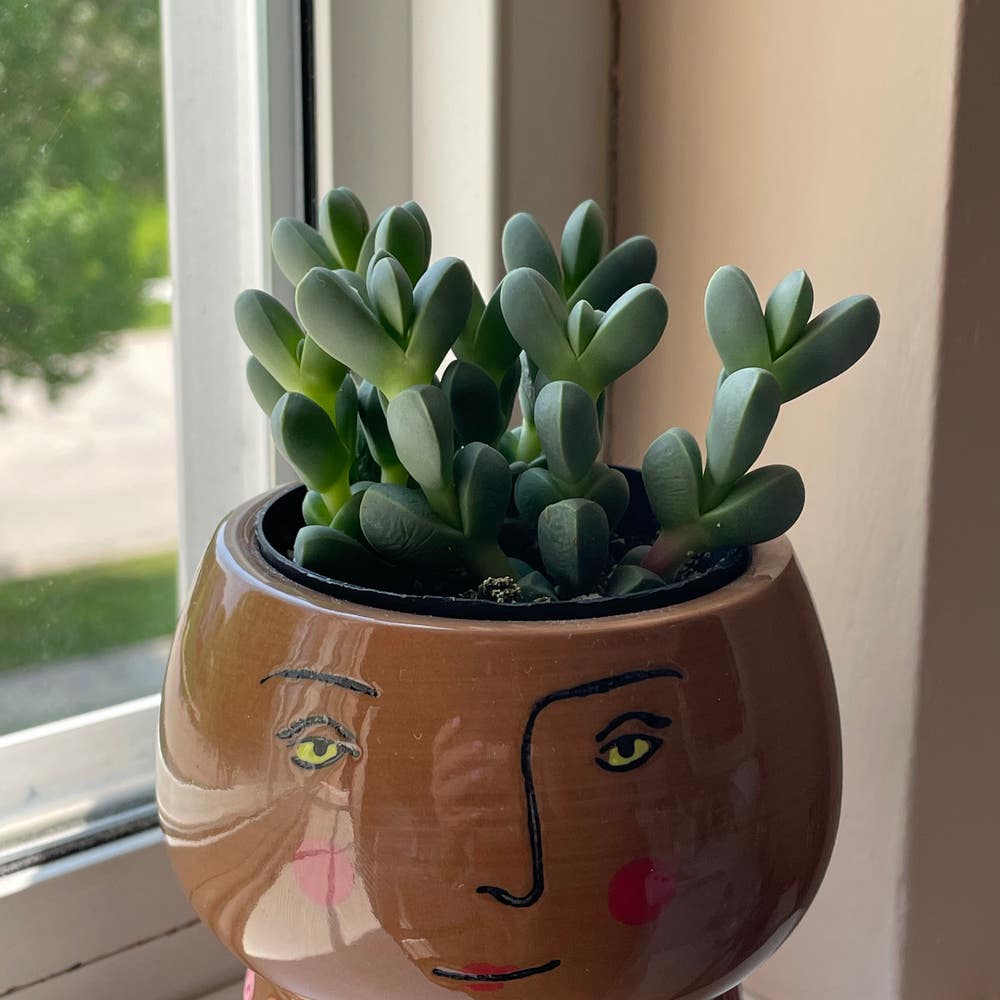
Why Are My Beads Lampranthus Leaves Falling Over?
Braunsia maximiliani
By the Greg Editorial Team
Jun 18, 2024•4 min read
This article was created with the help of AI so we can cover more plants for you. May contain errors. See one? Report it here.
Stop your Beads Lampranthus from wilting 🍂 with life-saving care tips that keep leaves lush and upright!
- 🌊 Overwatering signs: Yellow, swollen leaves that fall off.
- 🌞 Insufficient light: Leaves stretch, bleach, or lean away.
- 🌱 Nutrient deficiencies: Yellow, slow, or drooping leaves.
Spotting the Trouble Signs
🔍 Recognizing Overwatering Symptoms
Yellowing leaves are a telltale sign of overwatering in Beads Lampranthus. Leaves may become swollen and translucent, and in severe cases, burst due to excess water. A gentle touch causing leaves to fall off is a red flag. Always check the soil moisture; it should not feel like a wet sponge.
🌞 Detecting Insufficient Light Exposure
Leaves stretching out or appearing bleached are crying out for more light. Beads Lampranthus leaning away from its light source is a clear sign of light deprivation. Ensure your plant is not stuck in a dim corner, yearning for a sunbath.
🍽️ Identifying Nutrient Shortfalls
Yellow leaves could mean nitrogen is playing hide and seek. If your plant's growth is more snail-paced than usual, it might be a phosphorus shortage. Potassium deficiencies make leaves droop sadly. A balanced diet is key for plant vigor.
🐛 Pinpointing Pests and Diseases
Spots or blights on leaves might indicate an unwelcome pest or fungal party. Mushy leaves can signal fungal infections like root rot, often due to overwatering. Vigilance is crucial; inspect regularly for any signs of these freeloaders or leaf changes. Keep your plant's living area tidy to deter pests.

Turning the Tide: Immediate Actions
🌊 Salvaging Waterlogged Plants
Cease watering immediately if you suspect overhydration. Check the soil; if it's soggy, it's time to intervene. Gently aerate the soil to promote drying without disturbing the roots too much. If the pot lacks drainage, consider repotting with a well-draining mix and a container that allows excess water to escape.
☀️ Let There Be Light: Adjusting Exposure
Move your Beads Lampranthus to a spot where it can bask in bright, indirect light. Avoid direct sunlight that can scorch the leaves, but ensure it gets its daily dose of photosynthesis. If the plant is too far gone, artificial grow lights can be a temporary lifeline.
🚑 Emergency Nutrient Boost
If leaves are pale or growth is stunted, a balanced, water-soluble fertilizer may be in order. Apply at half-strength to avoid further stress from nutrient overload. This quick fix can provide the necessary nutrients to help leaves regain their vigor.
🐜 Combating Pests and Diseases
Inspect leaves for pests or disease. Use a mild soapy water solution or neem oil to gently wipe down affected areas. Isolate the plant to prevent spreading and trim away any severely damaged foliage to focus the plant's energy on recovery.

Long-Term Care Strategies
💧 Fine-Tuning Watering Routines
Consistency is your Beads Lampranthus' best pal when it comes to watering. Establish a schedule that aligns with the seasons: less is more during the winter, and a bit more generous in the summer. Stick to watering only when the soil feels dry to the touch—your plant's roots aren't fans of soggy shoes.
🌞 Ensuring Consistent Light Access
Your succulent craves sunlight like a cat craves a warm lap. Rotate the pot regularly to give each side its time in the sun, preventing lopsided growth. Aim for a Goldilocks zone—not too much direct light to scorch, not too little to starve. Year-round, stable light conditions are the ticket to perky leaves.
🍽️ Regular Nutrient Replenishment
Fertilize with a balanced, low-nitrogen diet during the growing season, but don't get heavy-handed. Overfeeding can do more harm than good—think of it as giving your plant a food coma. A little goes a long way, so keep the feedings light and consistent.
🛡️ Vigilant Pest and Disease Prevention
Make plant inspection a routine more regular than your morning coffee. Catching pests and diseases early can save you a world of trouble. Quarantine new plant buddies to prevent unwanted guests, and keep the airflow around your Beads Lampranthus as fresh as a daisy to deter fungal foes.

⚠️ Safety First
This content is for general information and may contain errors, omissions, or outdated details. It is not medical, veterinary advice, or an endorsement of therapeutic claims.
Always consult a qualified healthcare professional before using any plant as food, medicine, or supplement.
Never eat any plant (or feed one to pets) without confirming its identity with at least two trusted sources.
If you suspect poisoning, call Poison Control (800) 222-1222, the Pet Poison Helpline (800) 213-6680, or your local emergency service immediately.
Spotted an error? Please report it here.
Ensure your Beads Lampranthus never flops over 🌿 with Greg's custom care reminders and expert community advice to keep your succulent thriving.