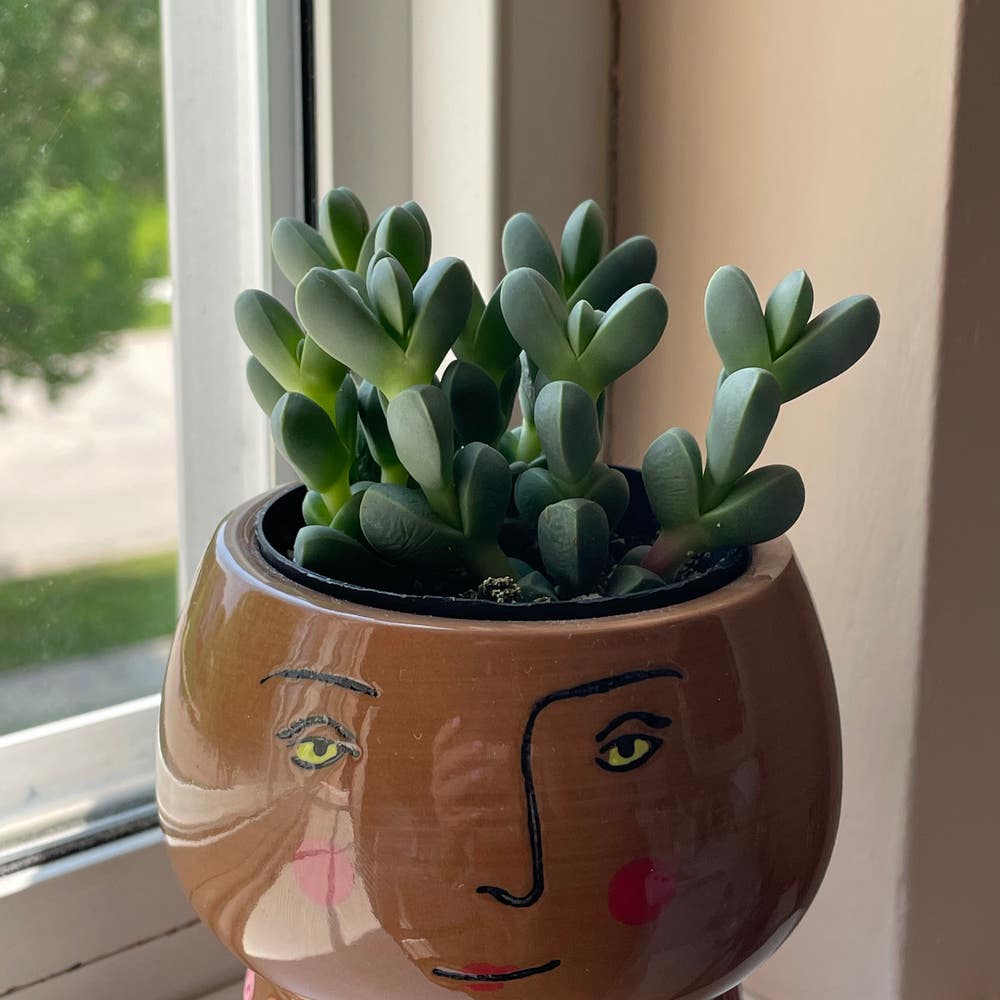
Why Are My Beads Lampranthus Leaves Droopy?
Braunsia maximiliani
By the Greg Editorial Team
Jun 18, 2024•4 min read
This article was created with the help of AI so we can cover more plants for you. May contain errors. See one? Report it here.
Transform your Beads Lampranthus from droopy to perky with actionable insights on tackling root issues! 🌵✨
- Overwatering and dehydration cause droopy leaves; check for yellowing or shriveling.
- Monitor droop patterns to diagnose overwatering, dehydration, or stress.
- Ensure proper drainage with well-draining soil and pots to prevent root rot.
Spotting the Signs of Droopy Leaves
Identifying the droop in Beads Lampranthus leaves is like recognizing a friend's frown – unmistakable and concerning. Droopy leaves hang with a lack of vigor, often accompanied by a change in color or texture.
🚨 Visual Indicators
Yellowing or browning tips are the plant's version of a distress signal. Leaves that feel mushy or squishy under gentle pressure are waving a white flag, possibly due to overwatering.
🕵️ Beyond the Droop
Look for leaves that are shriveled or wrinkled, which suggest dehydration. Conversely, leaves that are soft and yellow might indicate too much water. Consistent droopiness could be a sign of environmental stress, such as improper lighting or temperature fluctuations.
🕵️ Monitoring Movement
Tracking your plant's daily posture can provide clues. If the leaves perk up at night but droop by day, your plant might be as thirsty as a desert traveler. Keep an eye on the pattern of droopiness; it's the breadcrumb trail leading to the root of the issue.
📢 The Silent Scream
Changes in leaf color, such as a shift to a pale or yellow hue, are the plant's way of shouting for help. Brittle leaves or those with brown tips are sounding the alarm for immediate intervention.

The Thirst Quandary: Watering Woes
💦 Overwatering Overload
Overwatering can turn your Beads Lampranthus into a limp spectacle. Yellowing leaves and a soft texture are distress signals from your plant. It's a clear sign that your watering enthusiasm needs to be dialed back.
🏜️ The Underwatering Undertow
Conversely, underwatering leaves your succulent gasping for moisture. Shriveled leaves and a wrinkled appearance are your plant's way of crying out for help. It's a stark reminder that even drought-tolerant plants have their limits.

Soil and Surroundings: Setting the Stage for Stability
💧 The Drainage Dilemma
Waterlogged soil is a death sentence for Beads Lampranthus roots. They need to breathe, not swim.
To fix the flow, mix in some gritty material like perlite or coarse sand. This isn't just fluff; it's essential for root health and water balance.
🌡️ Environmental Equilibrium
Light and temperature are the yin and yang for your succulent's well-being. Too much or too little of either, and you're asking for trouble.
Adapting to adversity means observing and adjusting. If your plant's leaves are drooping, it might be time to reassess its spot in your home. Too dark? Move it closer to the light. Too hot? Find somewhere cooler. It's all about finding that sweet spot.

Turning the Tide: Tactical Treatments
💧 Watering Wisdom
Fine-tuning your watering routine isn't rocket science, but it does require attention to detail. Forget about watering on a schedule; your plant's thirst varies with the seasons and your home's humidity. Use the finger test or a moisture meter to check if the soil feels like a well-wrung sponge before giving it a drink. In summer, expect to water more frequently, but when winter rolls around, ease up as your plant isn't guzzling water like it's going out of fashion.
Tools like self-watering pots or trays for bottom watering can be game-changers, especially if you're prone to under-watering. These methods encourage deep root growth and can save your plant from dehydration without overdoing it. Remember, consistency is key, but so is adapting to your plant's needs.
🌱 Soil and Pot Potentials
Mixing up the perfect soil solution is a bit like being a chef; you've got to get the balance just right. Aim for a well-draining mix that's the enemy of water retention. Perlite or sand can be your allies here, creating a drainage nirvana for your plant's roots.
When it comes to pots, think of size and drainage as the dynamic duo. A snug fit is essential; too large, and you're basically inviting water to throw a pool party at your plant's expense. Make sure your pot has drainage holes—no holes, no hope. It's that simple. Pair this with your well-draining soil, and you've got the makings of a root rot-free zone.
Remember, a plant sitting in water is like a fish trying to ride a bicycle—it's just not going to end well. Keep the soil and pot in sync, and you're on your way to a happy, droop-free plant.
⚠️ Safety First
This content is for general information and may contain errors, omissions, or outdated details. It is not medical, veterinary advice, or an endorsement of therapeutic claims.
Always consult a qualified healthcare professional before using any plant as food, medicine, or supplement.
Never eat any plant (or feed one to pets) without confirming its identity with at least two trusted sources.
If you suspect poisoning, call Poison Control (800) 222-1222, the Pet Poison Helpline (800) 213-6680, or your local emergency service immediately.
Spotted an error? Please report it here.
Turn droopy leaves into succulent success 🌵 with Greg's personalized watering reminders tailored to your Beads Lampranthus's unique needs.