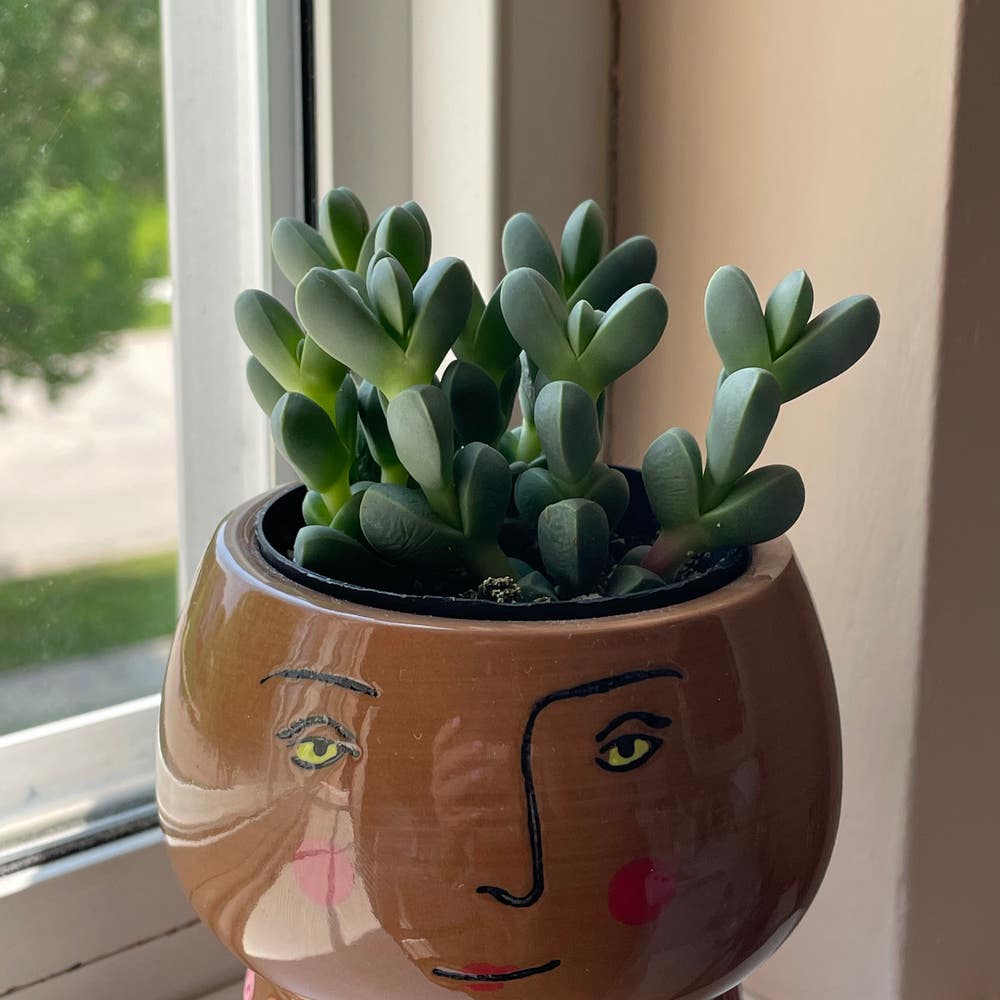
Why Are There Black Spots on My Beads Lampranthus Leaves?
Braunsia maximiliani
By the Greg Editorial Team
Jun 18, 2024•4 min read
This article was created with the help of AI so we can cover more plants for you. May contain errors. See one? Report it here.
Banish black spots 🌑 on your Beads Lampranthus and keep its leaves lusciously spot-free with expert tips! 🌿
- Fungal and bacterial infections cause black spots; look for circular or slimy lesions.
- Prevent spots with airflow and moisture control; avoid overwatering and poor ventilation.
- Treat with fungicides or bactericides and adjust care routines for plant health.
Spotting the Culprits: Causes of Black Spots
🍄 Fungal Foes: Identifying Fungal Infections
Fungal infections are the usual suspects when black spots crash the party on Beads Lampranthus leaves. These spots often boast a circular shape and may flaunt powdery or feathery edges. Look for yellow halos or tiny black dots within the spots, which are dead giveaways of fungal activity.
Conditions that fungal pathogens adore include high humidity and warmth—basically, a spa day for spores. Overwatering and poor air circulation are like open invitations for these microscopic party crashers to settle in and multiply.
🦠 Bacterial Bullies: Recognizing Bacterial Infections
Bacterial infections are sneakier, manifesting as slimy spots or lesions that look like the leaf took a dip in an oil slick. These spots might be surrounded by a yellowish halo, signaling bacteria are at work.
Environmental factors that up the ante for bacterial infections include stagnant air and excessive moisture. It's like setting up a botanical nightclub where bacteria can mingle and spread without a care in the world.
🚨 Stress Signals: Environmental Stressors Leading to Black Spots
Overwatering is a common misstep, leading to root rot and black spots as the plant's distress signal. It's like the leaves are waving a flag, begging for a break from the deluge.
Temperature and humidity swings are like an emotional rollercoaster for Beads Lampranthus. Too much heat or cold, and they're sending out SOS signals in the form of black spots. Poor ventilation is another stressor; it's like forcing the plant to live in a stuffy, overcrowded room with no escape.

First Aid for Foliage: Treating Black Spots
🍄 Fungicide to the Rescue: Choosing and Applying the Right Product
When black spots mar the Beads Lampranthus, it's time for fungicides to shine. Not all fungicides are equal; protectant fungicides work best for early infections, while systemic types tackle the tough, advanced cases. Chlorothalonil and mancozeb are your go-to chemicals, but don't get trigger-happy—adhere strictly to the label's instructions.
💥 Battling Bacteria: Effective Bactericidal Treatments
If bacteria are the villains, you'll need a different arsenal. Bactericides are a must, and just like their fungal counterparts, they demand respect. Apply responsibly, wearing gloves, and follow the label to the letter. Remember, it's a treatment, not a deluge—coating the leaves is enough.
🌿 Environmental Tweaks: Adjusting Care to Combat Black Spots
Sometimes, the best offense is a good defense. Adjust your watering habits to ensure the soil is moist but not soggy. Overwatering is a no-no. Boost air circulation around your Beads Lampranthus; proper spacing and ventilation can prevent a myriad of sins. Keep humidity in check—your succulent isn't a fan of the tropics.

Keeping Spots at Bay: Prevention Strategies
💧 Water Wisdom: Mastering Moisture Management
Watering your Beads Lampranthus correctly is crucial to preventing black spots. Overwatering is a common mistake; it's like giving your plant a bath when it just needs a sip. Check the soil moisture with your finger or a moisture meter—only water when the top inch feels dry. Ensure the pot has drainage holes to avoid soggy soil conditions. Remember, less is more when it comes to watering, especially in cooler months.
💨 Airflow and Space: Ensuring Good Circulation
Good air circulation is like giving your plant room to breathe. Avoid cramming your Beads Lampranthus in with other plants; it's not a fan of crowded spaces. Use a fan for a gentle breeze if needed, but steer clear of strong drafts. Spacing and ventilation are your allies in the fight against black spots.
👁️ Regular Recon: Monitoring and Early Detection
Keep an eagle eye on your Beads Lampranthus. Regular inspections can catch black spots before they become a full-blown problem. Look under leaves and in hidden nooks—pests love those secret hideouts. If you spot something suspicious, act fast. Early detection is key to maintaining plant health and keeping those black spots at bay.

⚠️ Safety First
This content is for general information and may contain errors, omissions, or outdated details. It is not medical, veterinary advice, or an endorsement of therapeutic claims.
Always consult a qualified healthcare professional before using any plant as food, medicine, or supplement.
Never eat any plant (or feed one to pets) without confirming its identity with at least two trusted sources.
If you suspect poisoning, call Poison Control (800) 222-1222, the Pet Poison Helpline (800) 213-6680, or your local emergency service immediately.
Spotted an error? Please report it here.
Prevent black spots 🛑 on your Beads Lampranthus by letting Greg tailor your watering schedule and ensure optimal air circulation for plant health!