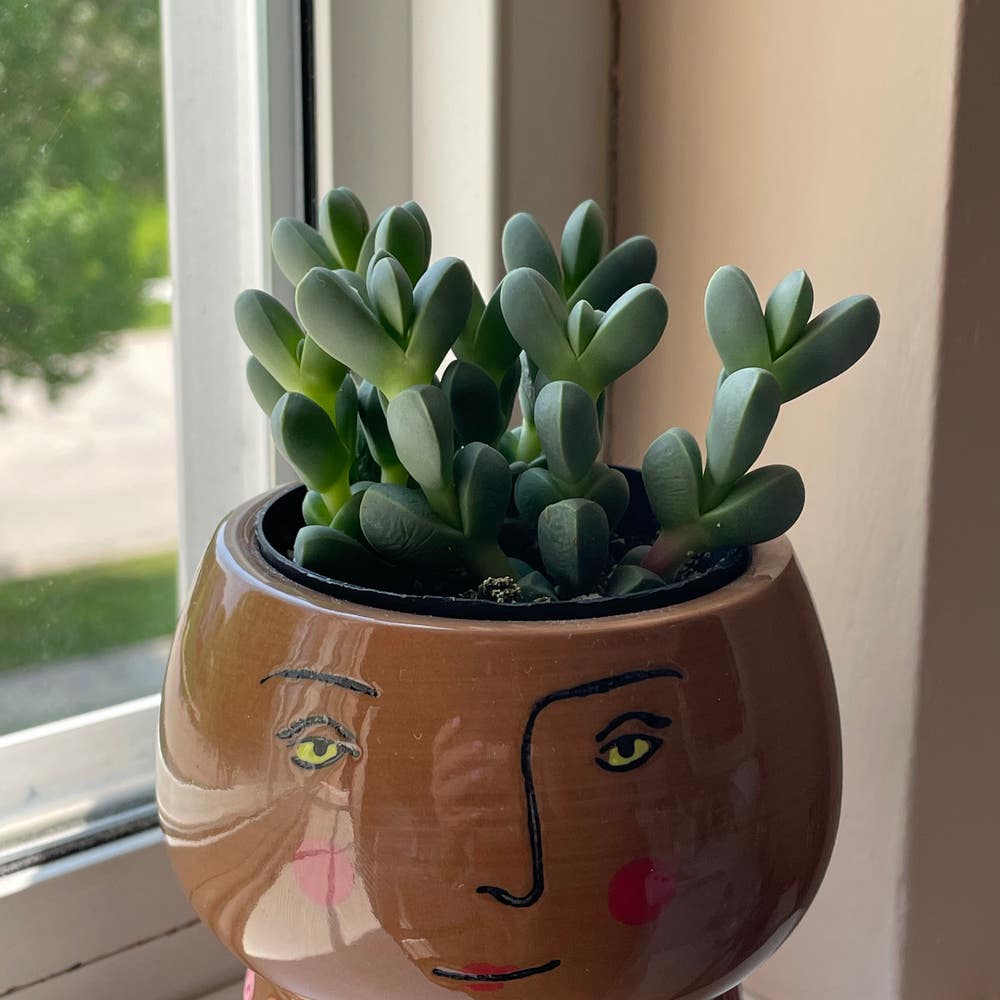
What Temperature Does My Beads Lampranthus Need?
Braunsia maximiliani
By the Greg Editorial Team
Jun 18, 2024•3 min read
This article was created with the help of AI so we can cover more plants for you. May contain errors. See one? Report it here.
Discover the secret to a flourishing Beads Lampranthus by nailing the perfect temperature sweet spot 🌡️🌱.
- Leaf discoloration and wilting signal temperature distress in Beads Lampranthus.
- Ideal temperature: above 20°F; mimic plant's warmer native habitat conditions.
- Use shade, insulation, and fans to protect from temperature extremes.
Spotting the Signs of Temperature Trouble
🚨 Visual Clues of Discomfort
Leaf discoloration and wilting are the Beads Lampranthus waving a red flag at you. If the leaves are turning yellow, it's not just trying out a new look—it's likely too warm or begging for better drainage. Brown spots or crispy edges? That's the plant's version of saying, "I'm freezing here!" And when growth seems stunted and flowers are a no-show, it's a silent alarm for temperature distress.
🌡️ The Effects of Extreme Heat or Cold
When the heat cranks up, Beads Lampranthus might get leggy, stretching out as if trying to escape an invisible sauna. Cold is no kinder; it can turn your succulent into a botanical ice sculpture, with foliage that's dark and mushy. It's like the plant's internal water distribution is as confused as a GPS with a dead battery, leading to damage that's as hard to fix as a bad haircut. Keep an eye out for these signs, because they're the plant's way of telling you it's not happy with its current living situation.

Keeping Your Beads Lampranthus Cozy: The Ideal Temperature Range
🌡️ Home Sweet Home Conditions
Mimicking the native habitat's temperature is key for a flourishing Beads Lampranthus. These succulents hail from warmer climates, so they thrive in conditions that reflect their origins.
🌡️ When the Mercury Drops or Soars
Upper and lower temperature limits are critical for the health of your Beads Lampranthus. Ensure temperatures stay above 20°F (-6.7°C) to avoid cold damage. On the flip side, while they can handle some heat, it's wise to shield them from the most intense midday sun to prevent scorching.

Navigating Temperature Challenges
🌡️ Indoor Temperature Mastery
Thermostats are the unsung heroes in the quest for perfect temperatures. They prevent your Beads Lampranthus from experiencing indoor climate whiplash. No central air? No problem. A space heater or portable AC can be your plant’s best friend, keeping it from the brink of a shiver or a sweat.
Avoid placing your succulent in the bathroom post-shower or next to a heater—these are the extreme zones. Instead, aim for a Goldilocks spot where temperatures are just right. Keep an eye on the thermometer to dodge temperature stress, and consider a strategic placement away from direct sunlight during those blistering days.
🌞 Braving the Outdoors
Outdoors, location is king. Morning sun followed by afternoon shade can be a sanctuary for your Beads Lampranthus. When temperatures plummet, wrap your plant baby in bubble wrap or a plant cloche for a cozy hug. And when the heat is on, a well-placed fan can offer a sigh of relief—just keep it at a distance to avoid a mini sandstorm.
Transitioning between indoors and outdoors? Take it slow, like easing into a hot bath. This gradual shift helps your plant acclimate without shock. And remember, drafts and radiators are the enemies—keep your Beads Lampranthus clear from these sneaky temperature thieves.

Emergency Measures for Temperature Extremes
🌡️ Quick Fixes for Sudden Temperature Fluctuations
When your Beads Lampranthus faces a sudden temperature spike or drop, act fast. Move the plant to a more temperate area immediately. If heat is the issue, shade is your ally; for cold, wrap the plant in frost blankets. Trim any damaged foliage to help recovery.
Long-Term Strategies for Stability
To prevent future shocks, monitor temperatures with a reliable thermometer. Insulate your space to fend off the cold and use blinds to combat intense sun. Thermostats are invaluable for maintaining a steady climate. Remember, consistency is your plant's best friend.
⚠️ Safety First
This content is for general information and may contain errors, omissions, or outdated details. It is not medical, veterinary advice, or an endorsement of therapeutic claims.
Always consult a qualified healthcare professional before using any plant as food, medicine, or supplement.
Never eat any plant (or feed one to pets) without confirming its identity with at least two trusted sources.
If you suspect poisoning, call Poison Control (800) 222-1222, the Pet Poison Helpline (800) 213-6680, or your local emergency service immediately.
Spotted an error? Please report it here.
Ensure your Beads Lampranthus thrives 🌡️ with Greg's environmental tracking and custom care reminders, keeping your plant's temperature just right!