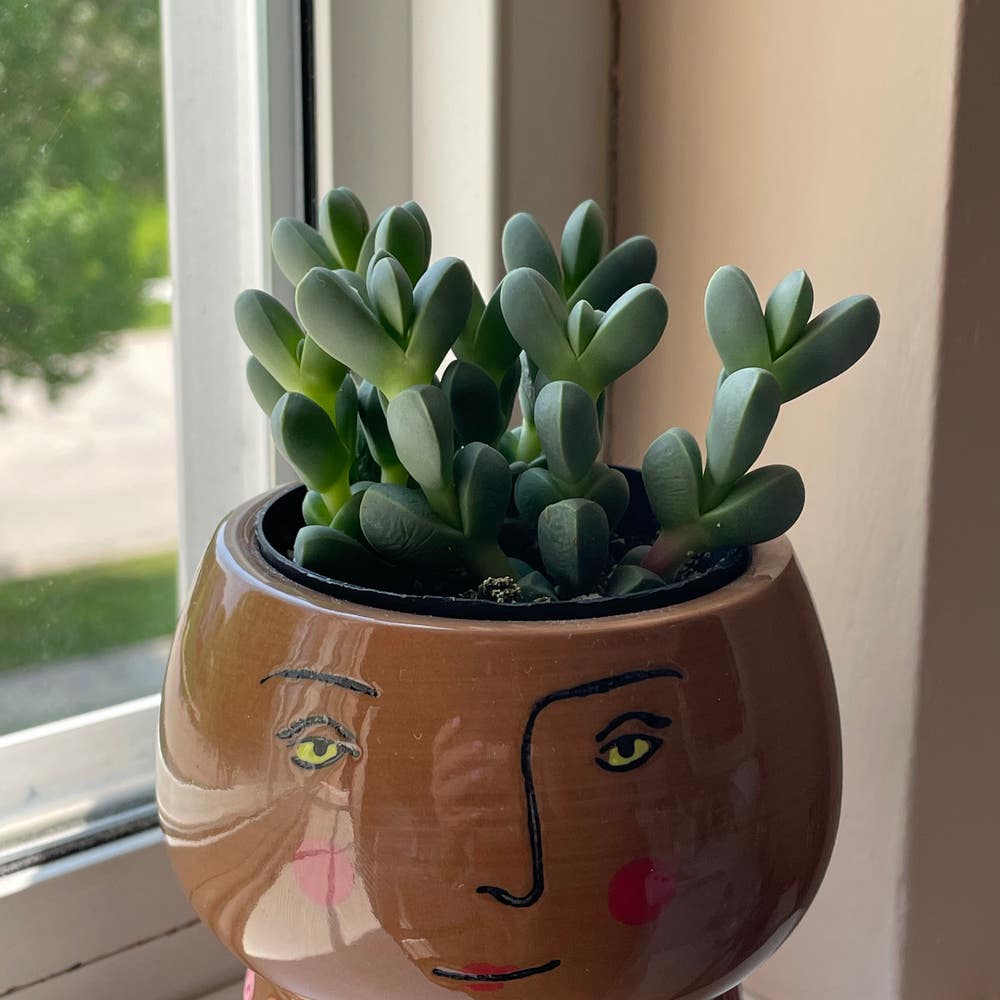
Why Are My Beads Lampranthus Leaves Dropping?
Braunsia maximiliani
By the Greg Editorial Team
Jun 18, 2024•5 min read
This article was created with the help of AI so we can cover more plants for you. May contain errors. See one? Report it here.
Save your Beads Lampranthus from leaf loss despair with these essential care secrets! 🌿✨
- 🌧️ Overwatering and underwatering can both cause leaf drop; adjust watering accordingly.
- 🌡️ Stable temperatures and indirect sunlight are crucial for Beads Lampranthus health.
- 🌱 Regular checks and adjustments prevent leaf drop: moisture, light, and pests.
When Water Becomes a Foe: Overwatering and Underwatering
💧 The Dangers of Too Much H2O
Spotting the signs of overwatering
Yellowing leaves and black spots on your Beads Lampranthus are the plant's SOS. A musty soil smell and mushy roots are clear indicators that you've been overzealous with watering. It's like your plant is wearing wet socks, and nobody likes that.
How to dry out the situation
To rescue your waterlogged plant, ease up on the H2O. Let the soil dry out a bit before your next watering session. Think of the soil as a chocolate cake—it should be moist, not drenched. Ensure your pot has good drainage to prevent your plant's roots from swimming instead of growing.
💦 When Thirst Leads to Loss
Recognizing underwatering symptoms
Wilted, dry leaves with browning tips are your Beads Lampranthus crying out for a drink. If the soil feels drier than your humor on a Monday morning, it's time to water. Underwatering turns your plant into a desert nomad, longing for an oasis.
Quenching your plant's thirst the right way
Water your parched plant slowly and deeply, allowing the moisture to reach the roots without creating a flood. A consistent watering schedule is key; your plant craves routine, not surprises. Adjust your watering habits with the seasons—your plant's thirst isn't static.

Feeling Hot and Bothered: Temperature and Sunlight Stress
🌡️ Too Hot to Handle or Too Cold to Hold
Temperature swings are the silent assassins of the plant world, often causing Beads Lampranthus leaves to drop as if they're bailing out of an uncomfortable situation. Consistency is your plant's best friend. Keep the daytime temperatures steady between 70°F and 80°F and night temperatures a cool 60°F to 68°F. If your plant's leaves are curling or looking wilted, they're signaling a distress call that they're either too hot or too cold.
Keeping Your Beads Lampranthus Comfy
To avoid your Beads Lampranthus feeling like it's stuck in a bad climate plot twist, avoid drafts and sudden temperature changes. Think of your plant as a guest at a party—it doesn't want to be stuck by the icy window or the blazing fireplace. Keep it in a spot where the temperature is as stable as your favorite diner's menu.
Finding the Sweet Spot for Sunbathing
Your Beads Lampranthus craves that Goldilocks zone of sunlight—not too much, not too little. Direct sunlight is a no-go; it's like putting your plant in the spotlight for a roast. Aim for bright, indirect light, akin to a VIP lounge where the lighting is perfect for selfies but won't cause a sunburn.
Adjusting Light Levels for Happy Leaves
If your plant's leaves are looking a bit sun-kissed, or worse, sun-slapped with brown spots or wilting, it's time to reposition. Rotate your plant to ensure even exposure and consider sheer curtains to diffuse strong sunlight. As the seasons change, so should your plant's position to maintain that perfect balance of light and shade.

The Rescue Plan: Reviving Your Dropping Beads Lampranthus
🩹 First Aid for Fallen Leaves
When leaf drop hits your Beads Lampranthus, it's time for some plant triage. Assess the roots; if they're brown and mushy, you've got root rot. Snip off any healthy stems for propagation—this could be the lifeline your plant needs. If you find some roots are still firm and white, congratulations, there's hope yet.
Stop watering immediately and let the soil dry out. Consider a soil switcheroo to something with better drainage. If the plant's been underwatered, give it a thorough soak and then let it be. Overcompensating is the fast track to more problems.
🌱 Long-Term Care for Lasting Leaf Love
Building resilience in your Beads Lampranthus is like training a boxer; it's all about the routine. Regularly check the soil moisture with your finger or a moisture meter—no guesswork allowed. Adjust your watering schedule with the seasons; these plants drink less in winter.
Keep an eye out for pests—they're the ninjas of the plant world, stealthy and harmful. At the first sign of an infestation, show them the door with a non-toxic insecticide. Rotate your plant for even sunlight exposure, and remember, a stable environment is key. Sudden changes are to plants what pop quizzes are to students—unwelcome and stressful.
Remember, patience is not just a virtue; it's a necessity. Keep at it, and your Beads Lampranthus will reward you with robust health and steadfast leaves.

Keeping the Leaves Up: Prevention Better Than Cure
💧 Water Wisdom: Crafting the Perfect Watering Schedule
Consistency is your Beads Lampranthus' best friend when it comes to watering. Forget the guesswork; tools like moisture meters or the good old finger test are your allies. Check the soil's moisture level before you water—this isn't a guessing game.
- Use a moisture meter or your finger to test soil dryness.
- Water only when the top inch of soil feels dry to the touch.
🌿 Creating a Leaf-Friendly Environment
Your Beads Lampranthus craves a stable home. Temperature fluctuations and drafts? Not fans. Position your plant in a spot that's just right—think steady temps and gentle breezes.
- Keep your plant away from drafts and sudden temperature changes.
- Ensure the pot has drainage holes and is made of a breathable material like terra cotta.
Light is like a double-edged sword; too much scorches, too little starves. Aim for that sweet spot of bright, indirect sunlight. And remember, a clean leaf is a happy leaf—dust can block vital rays, so keep those leaves pristine.
- Place your Beads Lampranthus in bright, indirect sunlight.
- Wipe leaves gently to remove dust and inspect for pests.
Humidity can be a game-changer. Not too arid, not a swamp. Consider a pebble tray or a humidifier if your indoor air resembles a desert.
- Maintain moderate humidity levels around your plant.
- Use a pebble tray or humidifier if necessary to increase humidity.
⚠️ Safety First
This content is for general information and may contain errors, omissions, or outdated details. It is not medical, veterinary advice, or an endorsement of therapeutic claims.
Always consult a qualified healthcare professional before using any plant as food, medicine, or supplement.
Never eat any plant (or feed one to pets) without confirming its identity with at least two trusted sources.
If you suspect poisoning, call Poison Control (800) 222-1222, the Pet Poison Helpline (800) 213-6680, or your local emergency service immediately.
Spotted an error? Please report it here.
Ensure your Beads Lampranthus stays lush and vibrant 🌿 with Greg's tailored reminders that help you master the art of perfect watering and stable environment care.