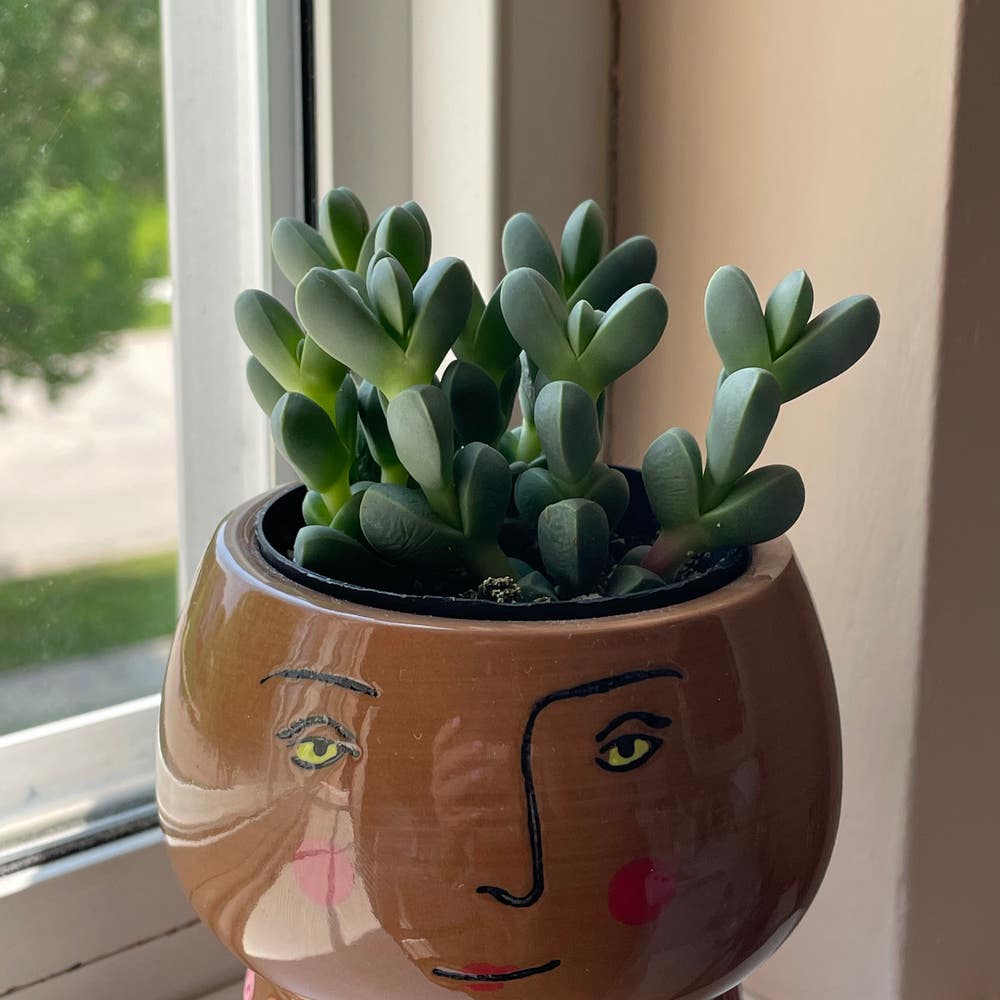
🍂 Why Does My Beads Lampranthus Have Yellow Leaves?
Braunsia maximiliani
By the Greg Editorial Team
Jun 18, 2024•4 min read
This article was created with the help of AI so we can cover more plants for you. May contain errors. See one? Report it here.
Solve the mystery of your Beads Lampranthus' yellow leaves and reclaim its lush green splendor! 🌿🔍
- 🌊 Overwatering and underwatering both lead to yellow leaves; balance is key.
- ☀️🌡️ Light and temperature stress affect leaf color; manage exposure and consistency.
- 🌿 Prevent yellowing with proper soil, watering, and pest control.
Pinpointing the Culprits Behind Yellow Leaves
🌊 Overwatering Woes
Soggy soil and wilting despite being wet are telltale signs of overwatering your Beads Lampranthus. When leaves look more like water balloons ready to pop, it's a clear signal you've been too generous with the watering can.
Overwatering leads to root rot, a silent killer that turns roots into mush and leaves into a yellow mess. It's a downward spiral where the plant can't uptake nutrients, leading to a sad, yellow display.
💧 Thirsty Roots: The Underwatering Issue
Leaves that are dry and crisp, with soil pulling away from the pot's edge, scream underwatering. It's like your Beads Lampranthus is stuck in its own personal drought, and the yellow leaves are its distress flares.
The drought effect is real; without enough water, your plant can't maintain that lush green everyone loves. Yellow leaves in this case are a cry for hydration, so listen up and quench that thirst.
🌞 Too Much Sun or Not Enough? Light and Temperature Stress
Leaves that look like they've been sunbathing too long could be suffering from too much light. If they're turning yellow, it's like they're waving a white flag at the sun, begging for a break.
Temperature swings can also leave your Beads Lampranthus feeling stressed. Consistent temperatures are key to keeping those leaves green, so avoid placing your plant next to drafty windows or heat sources that could trigger a yellowing response.

Reviving Green Glory: Solutions for Yellow Leaves
💧 Fine-Tuning Your Watering Technique
Watering your Beads Lampranthus isn't a set-it-and-forget-it deal. Consistency is key, but so is adaptation. When the topsoil feels like a dry martini, it's time to water. But remember, you're not trying to recreate the Great Flood.
🌱 Soil Check
Ensure your soil isn't holding water like a sponge. Proper drainage is the plant's lifeline, preventing roots from rotting. Think of it as the difference between a breathable cotton tee and a suffocating plastic bag.
☀️ Balancing Light and Temperature
Your plant's leaves are like solar panels; they need the right angle of light. Too much sun and they'll crisp up; too little, and they'll turn as pale as a vampire in daylight. Aim for bright, indirect light where the sun kisses but doesn't bite.
🌡️ Temperature Control
Keep the temperature steady, like your favorite playlist on a loop. Avoid the peaks and valleys of a roller coaster ride—extreme changes stress your plant out, leading to yellow leaves.
🍽️ Feeding Your Plant: Nutrient Deficiency Fixes
Yellow leaves can be a cry for help—a sign your plant is hungry for nutrients. A balanced fertilizer is like a well-rounded diet; it gives your plant the strength to bounce back.
📜 The Feeding Guide
When fertilizing, think of it as seasoning food. You wouldn't douse your fries in salt; similarly, don't overwhelm your plant with nutrients. A sprinkle here and there does the trick, keeping the roots from burning out.

Keeping the Yellow at Bay: Prevention Strategies
🌱 Soil and Pot Perfection
Selecting the right soil mix and pot type is crucial for preventing yellow leaves in Beads Lampranthus. A blend rich in organic matter that drains well is your plant's best ally. When repotting, which is best done in spring or early summer, always go one pot size up—no giant leaps here.
Repotting isn't just about upsizing; it's about refreshing your plant's environment. Use a pot with adequate drainage holes to avoid soggy soil conditions. Trim any rotten roots during the process to promote a return to health.
🐜 Pest Patrol and Disease Defense
Regular inspections for pests and diseases are non-negotiable. Catching these culprits early can mean the difference between a minor issue and a plant apocalypse. Sanitation is key: keep the area free of fallen leaves and debris.
When pests do show up, show them the door with insecticidal soap or neem oil. Fungal diseases detest good air circulation, so keep things breezy. And remember, overhead watering is a no-no—it's practically a welcome mat for trouble.
Preventative measures like quarantining new plants and maintaining proper watering and lighting can deter pests. If you spot trouble, act fast with appropriate treatments, and always keep your plant's living quarters clean and tidy.

⚠️ Safety First
This content is for general information and may contain errors, omissions, or outdated details. It is not medical, veterinary advice, or an endorsement of therapeutic claims.
Always consult a qualified healthcare professional before using any plant as food, medicine, or supplement.
Never eat any plant (or feed one to pets) without confirming its identity with at least two trusted sources.
If you suspect poisoning, call Poison Control (800) 222-1222, the Pet Poison Helpline (800) 213-6680, or your local emergency service immediately.
Spotted an error? Please report it here.
Banish yellow leaves 🍂 from your Beads Lampranthus with Greg's personalized care reminders, ensuring just the right water, light, and nutrients for a thriving plant.