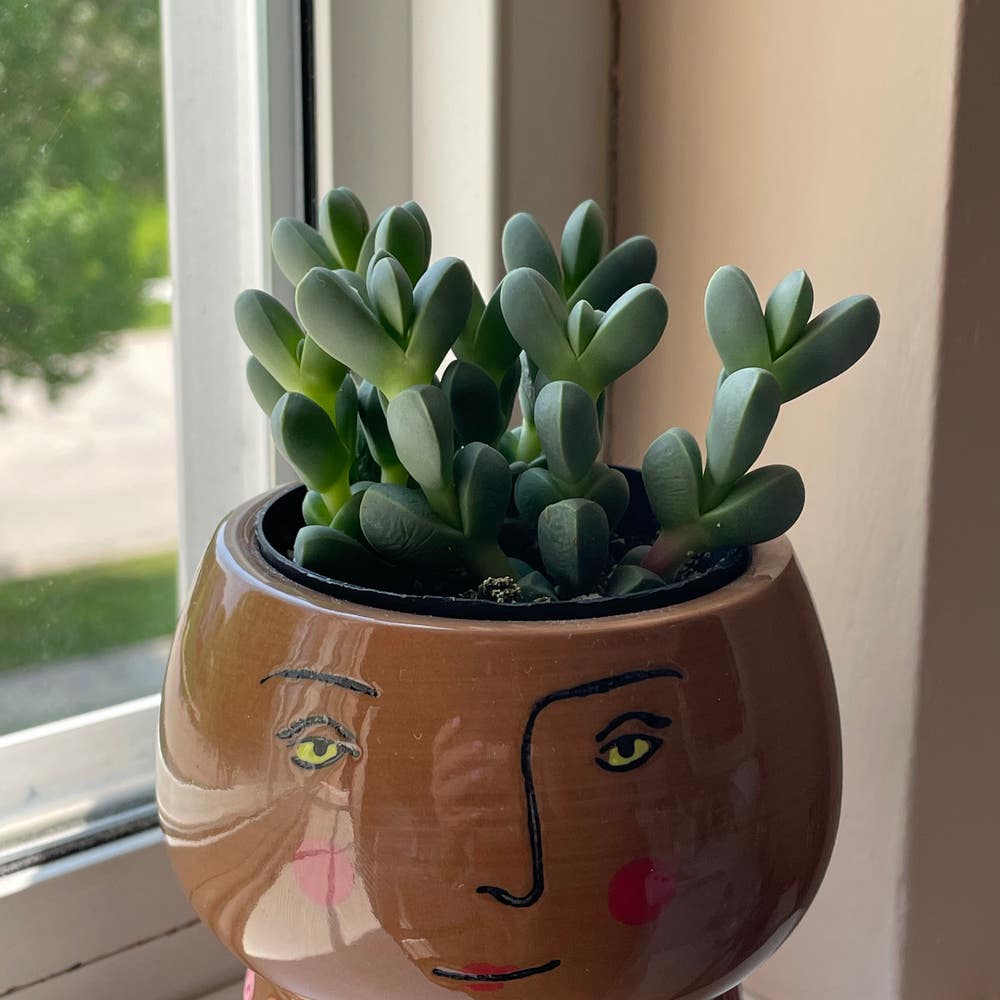
How to Get a Beads Lampranthus to Bloom
Braunsia maximiliani
By the Greg Editorial Team
Jun 18, 2024•4 min read
This article was created with the help of AI so we can cover more plants for you. May contain errors. See one? Report it here.
Ignite your Beads Lampranthus' bloom potential with these transformative care tips! 🌸
- 🌞 Bright, indirect light is key for Beads Lampranthus blooms.
- 🌡️ Stable temperatures with night dips encourage flowering.
- ✂️ Prune and deadhead to promote bushier growth and more blooms.
Prime Conditions for Popping Blooms
🌞 Sunlight: The Ultimate Bloom Booster
Bright, indirect light is the sweet spot for Beads Lampranthus. Too much direct sun can lead to a crispy demise, while too little leaves blooms wanting. Aim for a location that basks in gentle morning or evening rays, steering clear of the harsh midday sun.
Position your plant where it can revel in consistent light without getting scorched. A south-facing window or a spot under a grow light can be its personal oasis, ensuring it gets the light quality it craves for those vibrant blooms.
🌡️ Temperature and Seasons: Timing the Bloom Show
Beads Lampranthus thrives in stable temperatures. Dramatic fluctuations are like a cold shower for its blooming potential—avoid at all costs. Maintain a warm environment during the day with a slight dip at night to encourage flowering.
Seasonal cues are key. As seasons shift, so should your care. When cooler nights start to sneak in, expect a surge in color. But remember, when the thermometer dips below 7 to 10°C, it's time to bring your plant indoors to avoid a bloom blockade.

Feeding Your Beads Lampranthus for Fabulous Flowers
💧 The Soil Stage: Setting the Scene for Blooms
Soil is more than just dirt; it's your plant's home. For Beads Lampranthus, think well-draining and aerated. A mix of coarse sand, peat moss, and loam—or a ready-made cactus mix—will do the trick. Avoid waterlogged roots like a bad habit; they're bloom's kryptonite.
Ensure drainage is top-notch. If you're mixing your own, aim for two parts sand to one part peat and loam. Or, take the easy route and grab a bag of succulent soil. Just make sure it's as loose as a goose for those roots to breathe and bloom.
🌼 Fertilizer: The Bloom-Boosting Diet
Fertilizer is the secret sauce for flowers. But more isn't always better. Go for a balanced fertilizer, think 10-10-10, and use it sparingly. Overfeeding is the fast track to no blooms and a sad plant.
Timing is everything. Feed your Beads Lampranthus at the start of the growing season, then ease off. If you're feeling fancy, switch to a bloom-specific formula mid-season. Remember, it's a snack, not a feast—overfeeding is a no-go.
For those who prefer granular fertilizers, follow the label, but keep it light. Liquid lovers, a monthly treat during growth periods will suffice. And always, always dilute according to instructions—think of it as watering down the whiskey for your plant's happy hour.

Pruning: The Art of Encouraging Blooms
🌼 Deadheading: Out with the Old, In with the New
Deadheading isn't just a chore; it's a vital refresh for your Beads Lampranthus. Snipping off those spent flowers stops the plant from wasting energy on seed production. Energy that could be going into dazzling new blooms.
- Snip right above the next leaf junction to avoid damaging potential new growth.
- Avoid deadheading when buds are present; you might accidentally snip off the future stars of the show.
🌿 Pruning Practices: Shaping for Success
Pruning is like directing traffic; you're telling the plant where to grow. Strategic cuts encourage a bushier plant with more potential for blooms.
- Make cuts above a node to signal "It's time to branch out!"
- Keep your plant from looking like a wild thicket; a tidy Lampranthus is a blooming Lampranthus.
- Over-pruning is a no-go. It's a quick way to stress your plant and get the cold shoulder come blooming season.

Overcoming Bloom Blockers
🌼 Identifying the Bloom-Gloom Culprits
Watering woes can make or break your Beads Lampranthus. Overwatering leads to root rot, while underwatering leaves the plant too dry for blooming. Pests like aphids and mealybugs are energy thieves, diverting resources from flowers to fend off these invaders. Light levels are critical; too little results in a bloom boycott, too much causes leaf scorch.
🌸 The Bloom Rescue: Reviving the Flower Power
Patience is key. Sometimes, your plant isn't being stubborn; it's just not mature enough to bloom. Ensure air flow and humidity are balanced; too much moisture invites fungal issues. Watering should be done when the top inch of soil is dry, using quality water. Fertilize with a phosphorus-rich formula, but don't overfeed, as this can lead to lush leaves at the expense of blooms. If natural light is lacking, consider a grow light. Lastly, prune wisely to encourage new growth and potential blooms.
⚠️ Safety First
This content is for general information and may contain errors, omissions, or outdated details. It is not medical, veterinary advice, or an endorsement of therapeutic claims.
Always consult a qualified healthcare professional before using any plant as food, medicine, or supplement.
Never eat any plant (or feed one to pets) without confirming its identity with at least two trusted sources.
If you suspect poisoning, call Poison Control (800) 222-1222, the Pet Poison Helpline (800) 213-6680, or your local emergency service immediately.
Spotted an error? Please report it here.
Ensure your Beads Lampranthus is thriving 🌼 with Greg's tailored watering and fertilizing reminders, making sure you hit all the right notes for a spectacular bloom season!