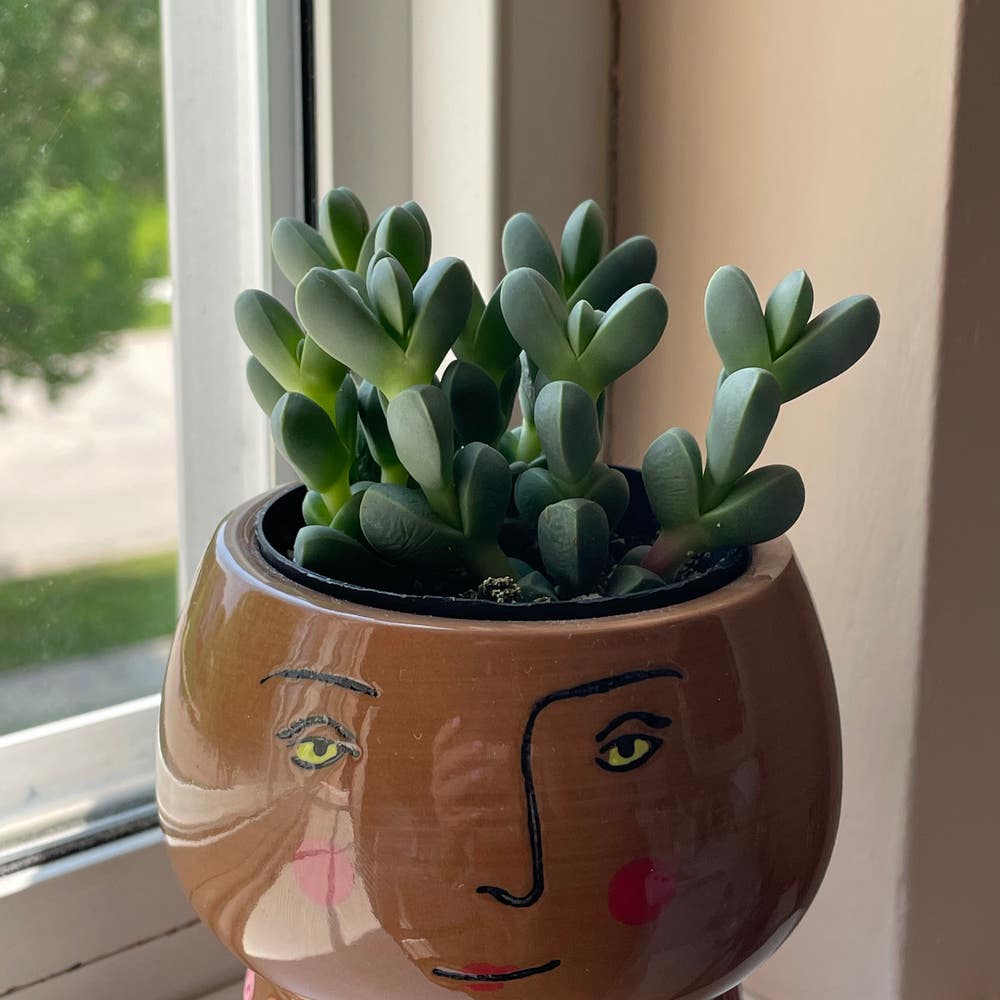
Why Is My Beads Lampranthus Not Doing Well?
Braunsia maximiliani
By the Greg Editorial Team
Jun 18, 2024•6 min read
This article was created with the help of AI so we can cover more plants for you. May contain errors. See one? Report it here.
Nurse your Beads Lampranthus back to health 🌿 by tackling these key care challenges head-on!
- Water wisely to prevent wilting, root rot, and ensure Beads Lampranthus thrives.
- Bright, indirect light and stable temps are crucial for healthy growth.
- Inspect and treat pests and pathogens promptly to protect your plant.
When Water Woes Wilt Your Plant
💧 Signs of Watering Mishaps
Wilting leaves on your Beads Lampranthus might scream over-watering or whisper under-watering. Yellowing leaves or black spots are the plant's version of a white flag, signaling too much water. Conversely, leaves that are dry, crispy, and browning at the tips are crying out for hydration. A soil check is your best friend here; soggy soil means it's time to ease up on the H2O, while dry soil is a clear call to action.
💦 Watering the Right Way
Moderation is key. Quench your plant's thirst without throwing it a pool party. Water until it reaches the roots, but avoid excess that leaves the pot heavy. Drain any standing water to prevent root rot. If you're unsure, a moisture meter can be your guide. Water when the top inch of soil feels dry to the touch. Remember, consistency wins over a rigid schedule—adjust to your plant's needs, which can change with the seasons.

Light and Temperature: Finding the Sweet Spot
🌞 Symptoms of Light and Temperature Stress
Beads Lampranthus plants are sun worshippers, but they can get too much of a good thing. Sunburned leaves are your first clue; they'll look bleached or have brown crispy edges. Conversely, if your plant is stretching out like it's trying to snag the sun from the sky, it's not getting enough light. Temperature stress is also a party pooper for these plants. Leaves may wilt or drop if your plant is too hot or too cold, and growth can stall, leaving your plant looking like it's on a hunger strike.
🌡️ Adjusting the Environment
To get your Beads Lampranthus back in the groove, start by dialing in the light. Bright, indirect light is the sweet spot. If you're using artificial lights, keep them bright but not too close, like a warm hug from a respectful distance. For temperature, think steady and stable. No drafts, no direct blasts from heaters, and definitely no frosty windowsills. Keep the thermostat consistent, and your plant will thank you with robust health. Remember, it's about creating a cozy nook for your plant to thrive, not survive.

Battling Pests and Pathogens
🐜 Unwanted Guests and Growths
Pests and pathogens can turn your Beads Lampranthus into a battleground. Vigilance is your first line of defense; inspect your plant regularly for any signs of trouble. Pests often reveal themselves through damaged leaves or the presence of webbing, while mold and fungus leave a telltale residue or discoloration.
🛡️ Winning the Fight
When pests overstay their welcome, it's time to show them the door. A strong spray of water may dislodge the less tenacious bugs. For those clinging on, insecticidal soap or neem oil can act as your eviction crew. In case of a full-blown infestation, you might need to resort to miticides, but use them as a last resort.
Fungus and mold, the silent party crashers, thrive in moist conditions. Improve airflow and dial back on the watering to make the environment less inviting. If they've already made themselves at home, fungicides are your cleanup squad. Remember to spot-test any chemical solutions to avoid collateral damage to your plant.
Keep your plant's environment clean; remove fallen leaves and debris to prevent spores from spreading. Sterilize your tools and pots to maintain a hygienic space for your Beads Lampranthus. Prevention beats cure, so keep the living conditions unfavorable for these uninvited guests, and your plant will thank you.

Root Rot: The Silent Killer
🕵️ Spotting the Rot
Root rot in Beads Lampranthus is like a stealthy intruder, often going unnoticed until it's too late. Early signs include a halt in growth or leaves that have gone from firm to squishy. If the roots look like they've been through a goth phase—dark and slimy—they're likely rotting away. Trust your nose too; a foul odor from the soil is a dead giveaway.
🛠️ Root Recovery Tactics
Suspect root rot? Act fast. Gently remove your plant from its pot and clear away the soil to inspect the roots. Healthy roots are firm and white, while rotten ones are mushy and dark. Snip off the affected parts with clean shears—no mercy. Repot in fresh, well-draining soil and maybe upgrade to a pot with better drainage. Remember, overwatering is a no-go; water only when the soil feels dry, and even then, go easy. It's a delicate balance, but with vigilance and a bit of tough love, your Beads Lampranthus can make a comeback.
Specific Scenarios and Solutions
🌞 Leaf Scorch and Other Specific Issues
Recognizing and treating leaf scorch often involves a keen eye and a swift response. Leaf scorch manifests as brown, crispy edges on leaves, typically from too much direct sunlight. To combat this, trim the damaged areas with precision—think clean cuts, not hacks. Prevention is key, so find that sweet spot where your plant thrives without frying.
Adjusting light exposure is crucial. If your Beads Lampranthus is looking more toasted than tanned, it's time to act. Gradually acclimate your plant to its environment, and if necessary, use shade cloths to diffuse harsh sunlight. It's not just about less light—it's about the right kind of light.
Beyond scorch, other care mistakes can sneak up on you. Over-fertilization can lead to nutrient burn, so remember: less is more. If you've been heavy-handed with the fertilizer, dial it back. Your plant's not on a bodybuilding regimen—it doesn't need to bulk up overnight.
Hot, dry winds are like moisture vampires for leaves. Keep an eye on the weather and protect your plant from harsh elements. If your plant's leaves could talk, they'd probably ask for a spa day—consistent watering and a break from the elements.
For fungal issues, ensure good air circulation and avoid wetting the leaves. If you spot mold or mildew, it's time for some plant first aid. Apply appropriate fungicides, but do it with the precision of a surgeon—target the problem without going overboard.
Lastly, pests can be a real pain. If you catch unwanted critters, isolate your plant to prevent an infestation party. Some pests can be evicted with a simple soapy water solution or a diluted isopropyl alcohol spray. It's like showing uninvited guests the door—politely but firmly.
Remember, your Beads Lampranthus is resilient, but it needs your watchful eye and a gentle touch. Keep an eye out for warning signs and act swiftly to keep your succulent buddy in tip-top shape.
⚠️ Safety First
This content is for general information and may contain errors, omissions, or outdated details. It is not medical, veterinary advice, or an endorsement of therapeutic claims.
Always consult a qualified healthcare professional before using any plant as food, medicine, or supplement.
Never eat any plant (or feed one to pets) without confirming its identity with at least two trusted sources.
If you suspect poisoning, call Poison Control (800) 222-1222, the Pet Poison Helpline (800) 213-6680, or your local emergency service immediately.
Spotted an error? Please report it here.
By alerting you to the perfect watering moments 💧 and environmental conditions, Greg becomes your vigilant partner in nurturing a healthy Beads Lampranthus.