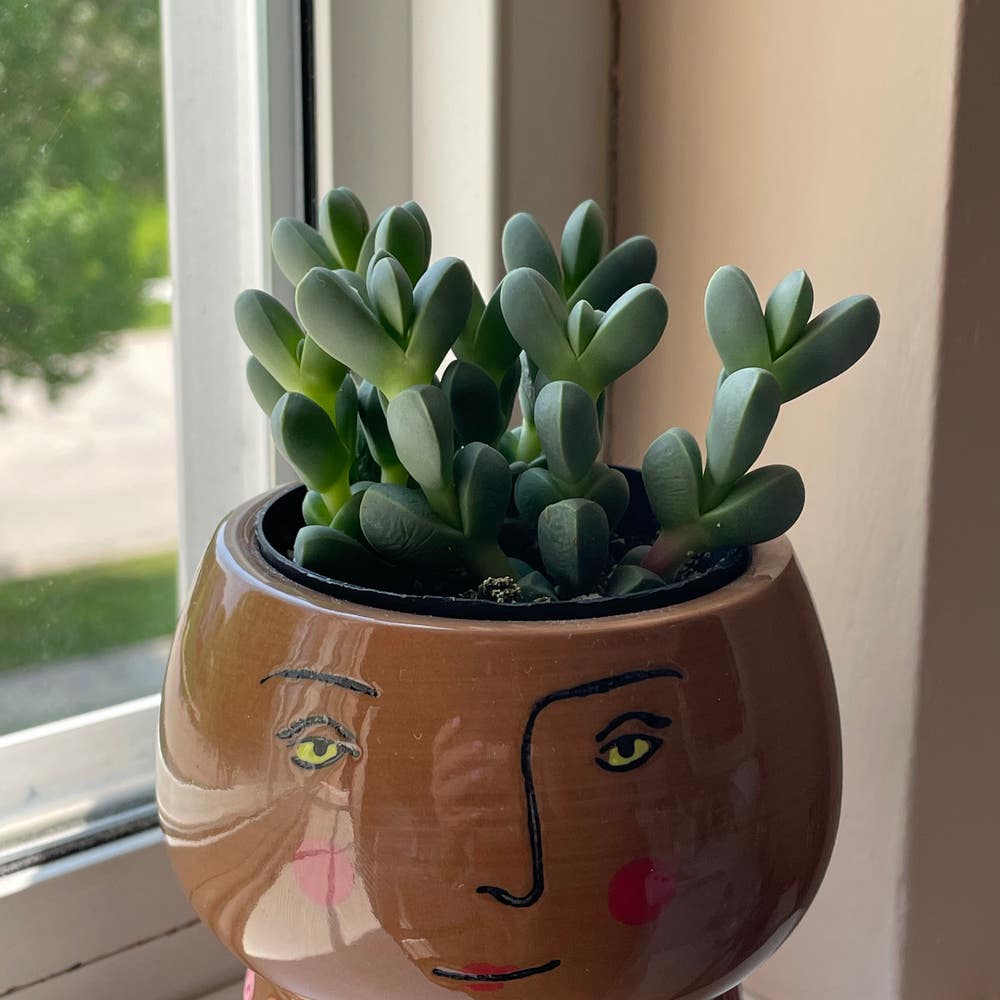
When and Where Should I Trim My Beads Lampranthus?
Braunsia maximiliani
By the Greg Editorial Team
Jun 18, 2024•4 min read
This article was created with the help of AI so we can cover more plants for you. May contain errors. See one? Report it here.
Discover the secret to vibrant Beads Lampranthus blooms 🌸 by pruning at the right time—spring or autumn—for optimal health and beauty.
- Spring and autumn are best for pruning Beads Lampranthus, aligning with growth cycles.
- Prune for health and blooms: Trim overgrowth and dead material, avoid over-pruning.
- Use sharp hand pruners, clean after each cut, and don't remove more than 25%.
Best Times to Give Your Beads Lampranthus a Haircut
⏰ Recognizing the Perfect Pruning Season
Timing is crucial when it comes to pruning Beads Lampranthus. The ideal seasons for wielding your shears are spring and autumn. These periods sync with the plant's growth spurts, setting the stage for robust regrowth. Summer's heat pushes the plant into a lazy, semi-dormant state, making it a less than ideal time for a trim. And winter? That's when your plant is at its most vulnerable, so shearing off parts could be more of a setback than a step forward.
🌱 Growth Stage Signals
When new growth makes an appearance, that's your plant's way of giving you the green light for a light pruning session. It's like the plant is ready to bounce back with vigor after a haircut. But remember, moderation is key. You're aiming for a trim that boosts health and bloom, not a buzz cut that leaves your Beads Lampranthus bald and bewildered. Keep an eye out for new shoots and prune just above these points to encourage a spectacular bloom season.

Pinpointing Where to Snip and Shape
✂️ Targeting Overgrowth and Dead Material
Overgrown branches and dead material are like the bad hair days of the Beads Lampranthus world. Spot these areas first; they're your pruning priorities. Trim back leggy growth to encourage a fuller plant. Dead ends? They're just hogging resources—snip them off to redirect energy to the thriving parts.
🎨 Preserving the Plant's Natural Beauty
Shaping your Beads Lampranthus is more art than science. Aim to maintain its inherent form while pruning. Avoid over-pruning; never remove more than a third of the plant at once. It's about subtle touches that respect the plant's natural silhouette, not a total makeover.

Pruning Like a Pro
🌿 Selecting the Right Tools
Before you start snipping away at your Beads Lampranthus, you'll need the right tools. Hand pruners are your go-to for precision work; they're like the surgeon's scalpel of the plant world. Sharpness is non-negotiable – a blunt tool is about as useful as a chocolate teapot. Keep those blades keen to avoid mashing your plant's delicate tissues. And let's not forget about hygiene – clean your tools before and after pruning, as if they're going under the microscope for a germ inspection.
🌱 Step-by-Step Pruning Process
Ready to prune? Here's the lowdown:
- Inspect your Beads Lampranthus for overgrown, dead, or damaged stems. These are your targets.
- Make cuts at a 45-degree angle just above leaf nodes or branching points for a clean, strategic snip.
- Aim to remove no more than 25% of the plant at a time. It's a haircut, not a head shave.
- Avoid stubs like you'd avoid spoilers for your favorite show – they're just as unwelcome.
- After each cut, give your shears a quick wipe. Think of it as hand sanitizer for your pruners.
- Step back and assess your work. Pruning is an art; you're looking for that perfect balance between health and aesthetics.
Remember, with the right tools and technique, you're not just pruning – you're giving your Beads Lampranthus the VIP treatment it deserves.

Tailored Trimming Techniques
✂️ Encouraging a Spectacular Bloom
Pruning isn't just about keeping your Beads Lampranthus tidy; it's about channeling energy to where it counts. To coax out a magnificent bloom, you'll want to cut back the excess, non-flowering growth. Snip off the tips of the stems, especially after a flush of flowers, to stimulate the plant into producing more buds. Remember, the goal is to encourage branching, as more branches mean more potential for blooms.
🌱 Controlling the Spread
Beads Lampranthus can be an enthusiastic spreader, but you're in charge. To keep it in check, identify the areas where the plant is becoming too dense or spilling over its desired bounds. Trim back these sections to maintain the shape and size you want. This not only prevents your Lampranthus from taking over but also promotes air circulation, which is crucial for plant health. Be bold but not reckless; strategic cuts can make all the difference.
⚠️ Safety First
This content is for general information and may contain errors, omissions, or outdated details. It is not medical, veterinary advice, or an endorsement of therapeutic claims.
Always consult a qualified healthcare professional before using any plant as food, medicine, or supplement.
Never eat any plant (or feed one to pets) without confirming its identity with at least two trusted sources.
If you suspect poisoning, call Poison Control (800) 222-1222, the Pet Poison Helpline (800) 213-6680, or your local emergency service immediately.
Spotted an error? Please report it here.
Trim your Beads Lampranthus at just the right time for a fuller bloom 🌼, with Greg's tailored reminders and precision pruning tips!