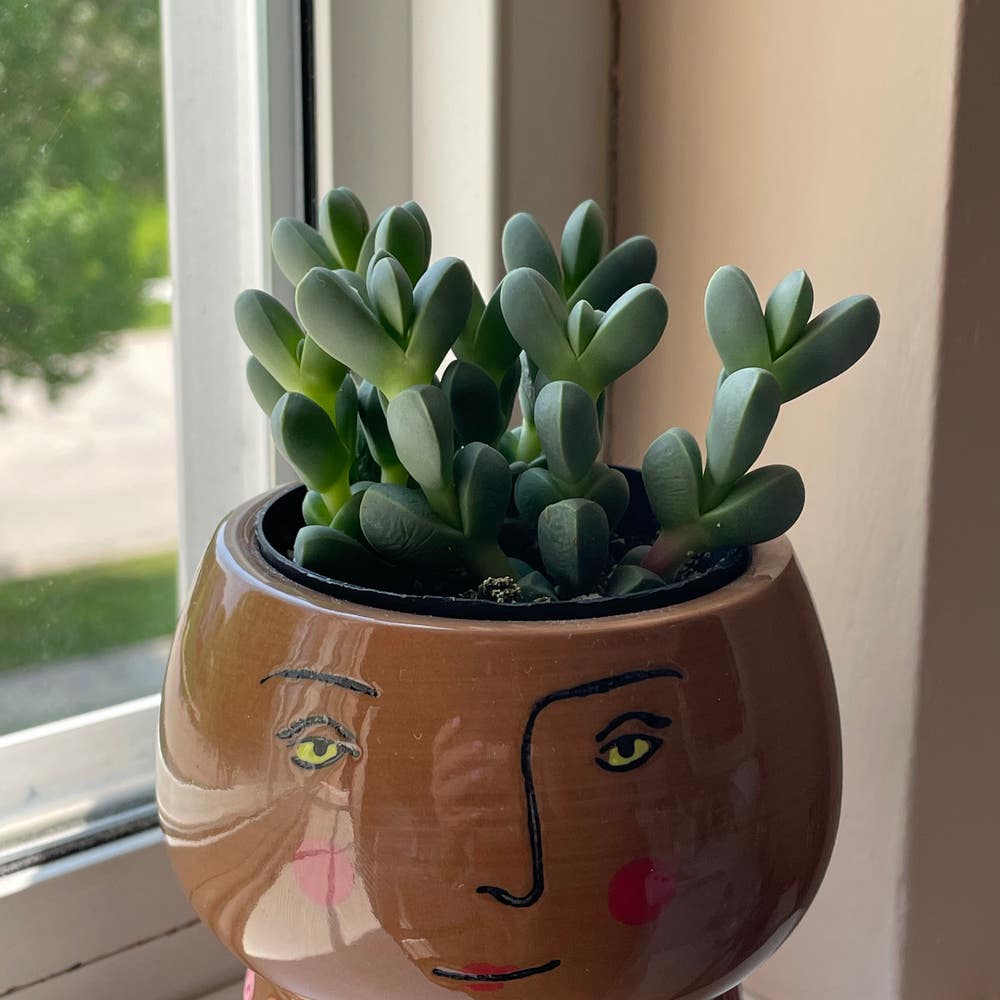
🌞 Is Direct Sunlight Good for My Beads Lampranthus?
Braunsia maximiliani
By the Greg Editorial Team
Jun 18, 2024•3 min read
This article was created with the help of AI so we can cover more plants for you. May contain errors. See one? Report it here.
Nurture a sun-kissed 🌞 Beads Lampranthus to perfection by mastering its ideal light needs.
- Direct sunlight vital for Beads Lampranthus' growth and color.
- 🌞 Window direction matters: East for mild, West for intense sun.
- Seasonal care shifts: More sun in winter, shade in summer.
Sunlight and Beads Lampranthus: A Love Story?
🌞 What Direct Sunlight Really Means for Your Beads
Direct sunlight is the unfiltered champion of the solar spectrum, delivering a full dose of rays to your Beads Lampranthus. This succulent thrives when it can bask in the sun's embrace, much like it would in its natural habitat. Full sun exposure is not just beneficial; it's a catalyst for robust growth, vibrant blooms, and enhanced drought tolerance.
🏜️ The Native Habitat Clues
The Beads Lampranthus hails from sunny regions where it luxuriates in the generous light. Its origin story is a clear indicator of its sun preferences. Mimicking these conditions at home means positioning your plant in a location where it can soak up plenty of direct sunlight. However, watch for signs of distress, as too much sun can lead to issues similar to sunburn.

Window Wisdom: Finding the Perfect Spot
🧭 The Direction Dilemma
Orientation matters when it comes to your Beads Lampranthus soaking up the sun. East-facing windows dish out a milder morning sun, a kinder wake-up call for your plant. West-facing windows, on the other hand, can be the equivalent of a mid-afternoon sauna—intense and potentially overwhelming. North-facing windows offer a low-key vibe with consistent, but softer light. Remember, the right window direction is like picking the right seat in a movie theater—it can make or break the experience.
🌐 Hemisphere Highlights
Your spot on the globe flips the script on sunlight exposure. In the Northern Hemisphere, south-facing windows are the sun's VIP lounge, but they can get too rowdy for your Beads Lampranthus without some sheer curtain intervention. If you're down in the Southern Hemisphere, the roles are reversed, and north-facing windows become the prime real estate. It's not just about catching rays; it's about catching the right kind of rays, at the right intensity, to keep your plant from throwing a fit.

When the Sun's Too Strong: Protecting Your Beads
🌞 Spotting the Signs of Sun Stress
Sun stress in Beads Lampranthus isn't a subtle affair. Leaf discoloration is a glaring sign, with once vibrant foliage turning a washed-out, bleached hue. If the leaves start sporting crispy edges or brown spots, it's a clear SOS. These succulents might love light, but they're not immune to overindulgence.
🏖 Shading Strategies
When your Beads Lampranthus cries foul in the face of too much sun, it's time for some shade play. Sheer curtains can be your first line of defense, diffusing that harsh light into a gentle glow. Consider a strategic relocation to a spot with bright, yet indirect, sunlight. And remember, a gradual introduction to brighter spots can prevent the plant equivalent of a sunburn. Rotate your Beads Lampranthus regularly, ensuring all sides get their fair share of light without overdoing it.

Seasonal Sun Shifts: Adapting Care Year-Round
🌞 Summer vs. Winter Sun
As the earth tilts, the Beads Lampranthus's need for sunlight shifts. The summer sun's high angle demands a retreat from the windowsill to prevent leaf scorch. In contrast, winter's low-lying sun calls for a front-row seat to ensure your succulent gets enough light.
🌡️ Temperature Tango
Balancing heat and light is crucial for your Beads Lampranthus. Summer might require some shade to avoid overheating, while winter could mean cozying up to the window to bask in the sparse warmth. Keep a watchful eye on leaf color and firmness to gauge your plant's comfort level.
⚠️ Safety First
This content is for general information and may contain errors, omissions, or outdated details. It is not medical, veterinary advice, or an endorsement of therapeutic claims.
Always consult a qualified healthcare professional before using any plant as food, medicine, or supplement.
Never eat any plant (or feed one to pets) without confirming its identity with at least two trusted sources.
If you suspect poisoning, call Poison Control (800) 222-1222, the Pet Poison Helpline (800) 213-6680, or your local emergency service immediately.
Spotted an error? Please report it here.
Ensure your Beads Lampranthus gets just the right amount of sunshine 🌞 with Greg's PlantVision, guiding you to the ideal window and season-specific care alerts!