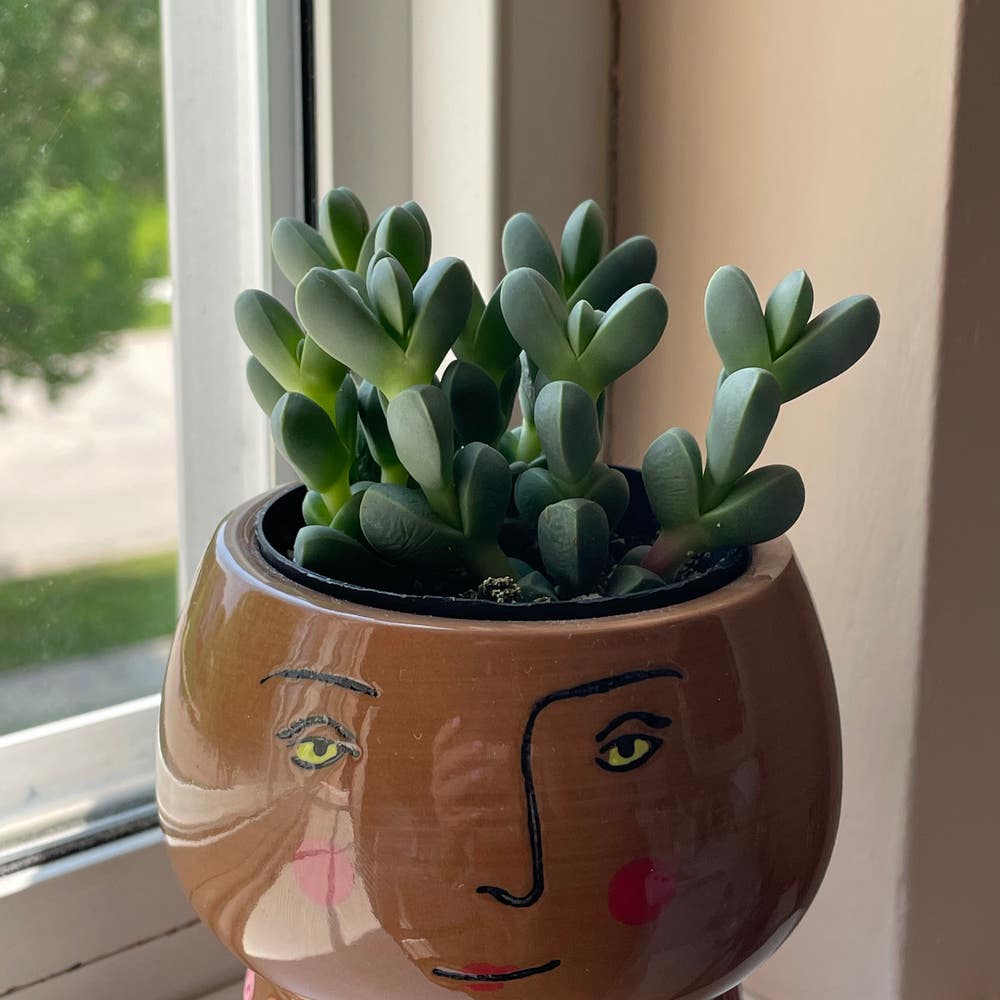
What Do I Do About Beads Lampranthus Root Rot?
Braunsia maximiliani
By the Greg Editorial Team
Jun 18, 2024•5 min read
This article was created with the help of AI so we can cover more plants for you. May contain errors. See one? Report it here.
Rescue your Beads Lampranthus from root rot 🚫🌿 and keep it thriving with these proven tips.
- Wilting, yellowing, and foul odor indicate Beads Lampranthus root rot.
- Trim rotted roots and use fungicide to save your plant.
- Prevent root rot with well-draining soil and proper watering.
Spotting the Red Flags: Symptoms of Root Rot in Beads Lampranthus
🚨 Visual Clues
Wilting, yellowing leaves on your Beads Lampranthus are not a new aesthetic; they're distress signals. When your plant's leaves droop like they've given up on life, it's time to play plant detective.
🕵️ Below the Surface
Root inspection is like a health check-up. Gently unearth your plant and examine the roots. Healthy roots are firm and light-colored; if they're mushy, dark, and resemble overcooked noodles, you've got a problem.
👃 Smell Test
If the soil around your Beads Lampranthus smells like it belongs in a locker room after a championship game, that's a big red flag. A foul odor is a telltale sign of root rot lurking below.

Taking Action: Steps to Save Your Beads Lampranthus
🌱 Immediate Rescue Measures
Root rot in Beads Lampranthus isn't a death sentence if you act swiftly. Begin by gently removing the plant from its pot. This is no time for dawdling; your plant's life hangs in the balance.
Inspect the roots closely. Healthy roots are firm and light-colored. Dark, mushy roots are bad news—they've got to go. Use sterilized scissors or shears to trim away the rotted parts. Think of it as pruning away the plant's woes.
After the bad roots are history, give the survivors a fungicide bath. It's like an antiseptic rinse for your plant's underground parts. This step is crucial to prevent any lingering fungi from throwing a comeback party.
💧 Soil and Water Overhaul
Next, it's time for a soil swap. Choose a well-draining mix that's like a cozy bed for your plant's roots—comfortable but not soggy. Remember, Beads Lampranthus prefers to stay on the dry side.
Watering practices need a revamp too. The "soak and dry" method is your new mantra. Water thoroughly, then let the soil dry out completely before the next watering. It's a simple yet effective way to avoid waterlogging your succulent's roots again.
Lastly, don't just plop your plant back into its old pot. Clean it out or get a new one to ensure no nasty fungi are lurking around. It's like giving your plant a fresh start in a new home.

Fungus Among Us: Dealing with the Root Rot Culprits
🌿 Choosing Your Fungicide
When root rot rears its ugly head, reaching for a fungicide isn't overreacting—it's war. Selecting the right fungicide is like picking your battles; you want to win with minimal collateral damage. Neem oil and biological fungicides are the eco-friendly foot soldiers, great for a first strike. If they don't cut it, consider systemic options like Cleary's 3336, which infiltrates the plant to combat the enemy within. Rotate your fungicides to prevent the fungi from developing resistance—like changing your passwords to stay ahead of hackers.
Remember, the label is your battle plan. Follow it to the letter, applying the fungicide with the precision of a sniper. Overuse is not just wasteful; it's dangerous. If you're unsure, consult a plant health expert or consider professional application. After all, you wouldn't perform surgery on yourself based on a hunch.
🧼 Keeping It Clean
Preventing root rot is about maintaining a sterile environment. Think of it as housekeeping for your plant's home. Sterilize your tools before and after use; it's basic hygiene. If you're repotting, always use fresh, sterile soil to give your plant a clean slate.
Consider soil sterilization if you've had a history of root rot or if your plant's living quarters are less than ideal. It's like fumigating a house before moving in. And don't forget about drainage. Good drainage is like having a solid plumbing system; it keeps things from getting swampy.
Lastly, keep an eye on your watering habits. Overwatering is like leaving food out for pests—it invites trouble. Let the topsoil dry out between waterings to discourage unwanted fungal guests. Remember, root rot is a silent killer; vigilance is your best defense.

Keeping Root Rot at Bay: Prevention Tips
💧 Watering Wisdom
Soak and dry: it's not just a catchy phrase, it's your Beads Lampranthus' lifeline. Overwatering is the express lane to root rot, so let the soil completely dry out before giving it another drink. Use your finger or a water meter to check soil moisture. Remember, when in doubt, dry is better than drenched.
🏡 The Right Home for Your Plant
Pot size matters. Too big, and you're setting up a pool party for root rot. Ensure your pot is just right for your plant's size, with drainage holes to boot. Go for well-draining soil, maybe with a dash of perlite, to keep things airy. Terracotta pots get bonus points for wicking away excess moisture.
🌡 Controlling the Climate
Your Beads Lampranthus doesn't need a sauna or an ice bath; it craves stability. Keep temperature and humidity consistent to avoid stressing your plant out. A stressed plant is like a flashing neon "vacancy" sign for root rot. So, monitor your environment and adjust as needed to keep your green buddy in the comfort zone.
⚠️ Safety First
This content is for general information and may contain errors, omissions, or outdated details. It is not medical, veterinary advice, or an endorsement of therapeutic claims.
Always consult a qualified healthcare professional before using any plant as food, medicine, or supplement.
Never eat any plant (or feed one to pets) without confirming its identity with at least two trusted sources.
If you suspect poisoning, call Poison Control (800) 222-1222, the Pet Poison Helpline (800) 213-6680, or your local emergency service immediately.
Spotted an error? Please report it here.
Combat Beads Lampranthus root rot by following Greg's tailored care plan 🛡️, ensuring your plant's triumphant recovery and future resilience.