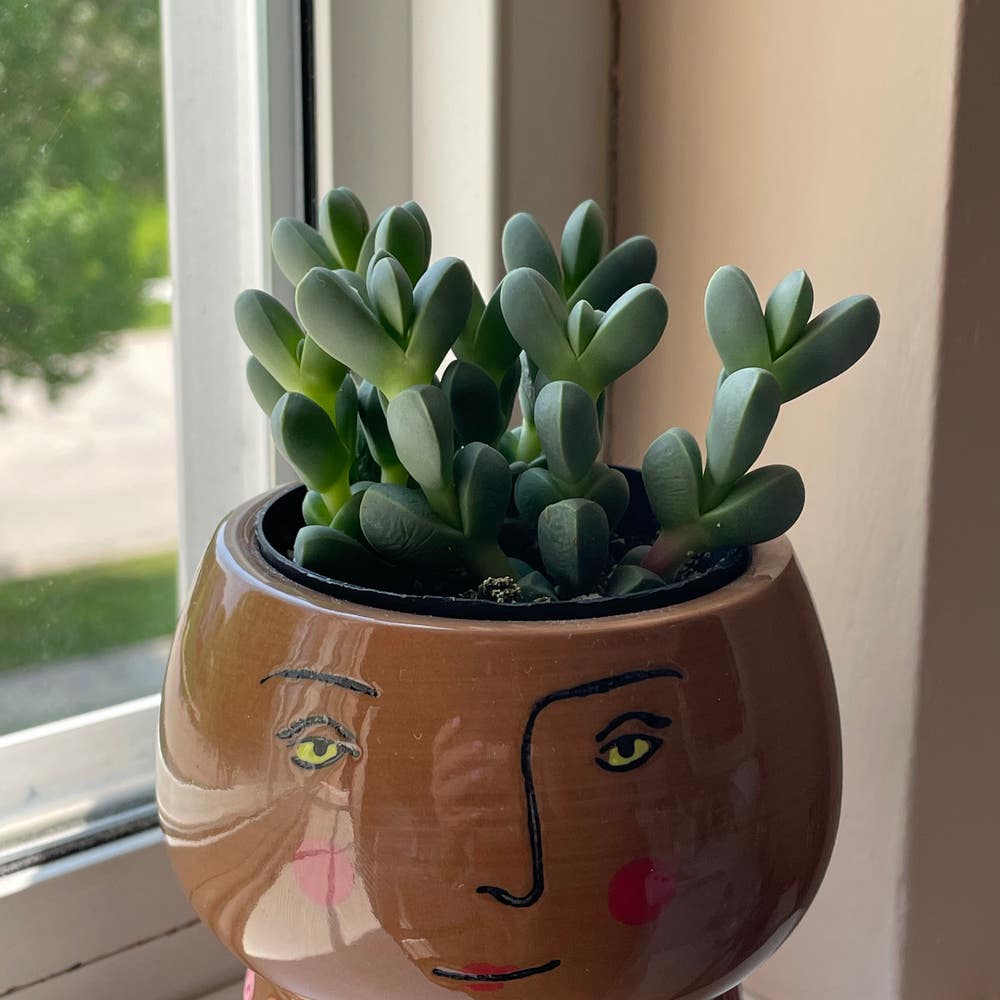
💧 How Do I Know When My Beads Lampranthus Needs Water?
Braunsia maximiliani
By the Greg Editorial Team
Jun 18, 2024•4 min read
This article was created with the help of AI so we can cover more plants for you. May contain errors. See one? Report it here.
Discover the secret to a lush Beads Lampranthus 🌿—decode its watering needs to avoid the shrivel signal! 🚱
- 🍂 Wrinkling/wilting leaves signal your Beads Lampranthus is thirsty.
- 💧 Deep watering beats spritzing; adjust with seasons and environment.
- 🚫 Proper drainage is key to avoid overwatering and root rot.
Spot the Thirsty Cues
🌱 Leaf Tells
Wrinkling or wilting is your Beads Lampranthus waving a white flag. The once plump leaves may start to look like they've been on a diet, and that's not a good thing.
Color and texture changes are the plant's version of a distress signal. If the leaves are turning as pale as a ghost or as dry as old parchment, it's time to take action.
🌱 Soil Tells
The dryness test is as simple as sticking your finger into the soil. If it feels as dry as a bone, your plant's thirst needs quenching.
Visual cues include soil pulling away from the pot's edge like it's social distancing. If the topsoil looks like a cracked desert landscape, it's a clear sign your Beads Lampranthus is parched.

Watering Wisdom: How Much and How Often
💧 Seasonal Shifts
Your Beads Lampranthus isn't just surviving; it's living by the seasons. During the summer, it's all about embracing growth, so water generously as the plant gulps it down. Come winter, it's nap time for your succulent friend—water sparingly, allowing the soil to dry out more between sessions.
💡 Environmental Effects
The trifecta of light, temperature, and humidity isn't just weather talk—it dictates your watering schedule. Warmer rooms might mean your plant's thirstier, while a cooler ambiance suggests a more relaxed approach to hydration. High humidity? Ease up on the watering can. Keep these factors in check to avoid turning your green haven into a plant ICU.

The Right Way to Quench
💧 Watering Techniques
When it comes to watering your Beads Lampranthus, think of it as a ritual rather than a routine. Deep watering is your go-to method; it's like giving your plant a full meal instead of just snacks. This technique ensures water reaches the roots, promoting healthy growth. On the flip side, light spritzing barely satisfies, leaving roots thirsty and shallow.
To execute deep watering, pour slowly and steadily until you see water escape through the drainage holes. It's a sign of a good soak. Remember, the goal is to mimic a hearty rain, not a drizzle.
🚰 Drainage Drama
Let's talk drainage because without it, you're on a fast track to root rot city. Proper drainage is critical for your Beads Lampranthus. It's like an escape route for excess water, and without it, you're basically drowning your plant's aspirations for survival.
Ensure your pot has drainage holes, and don't let the pot sit in water; it's like forcing your plant to wear wet socks—unpleasant and unhealthy. If water isn't draining, it's time to troubleshoot—check for clogs or consider a more porous potting mix. Terra cotta pots are a win here; they're like breathable workout gear for your plant's roots.

When to Hold Back on the H2O
💧 Signs of Overwatering
Limp leaves and a mushy feel are your Beads Lampranthus crying out for less water. If the soil sticks to your finger, it's a clear sign to ease up on the watering can. A pot that feels heavier than your last regret is likely waterlogged. Yellow leaves, black spots, and a musty smell are the plant's way of waving a white flag. And if the roots feel like they've been through a boil wash, it's time to rethink your approach.
🌱 Pot and Soil Considerations
Choosing the right pot size is crucial; too big, and you're setting up a moisture marathon your plant didn't sign up for. Ensure your pot has drainage holes to prevent a personal pool party at the bottom. A soil mix with perlite or sand can help improve drainage, letting your plant's roots breathe easy. If you've gone overboard and root rot has taken hold, it might be time to bring out the big guns and consider a fungicide. Remember, moderation is key – water when the topsoil feels like a dry joke, not just because your calendar says so.
⚠️ Safety First
This content is for general information and may contain errors, omissions, or outdated details. It is not medical, veterinary advice, or an endorsement of therapeutic claims.
Always consult a qualified healthcare professional before using any plant as food, medicine, or supplement.
Never eat any plant (or feed one to pets) without confirming its identity with at least two trusted sources.
If you suspect poisoning, call Poison Control (800) 222-1222, the Pet Poison Helpline (800) 213-6680, or your local emergency service immediately.
Spotted an error? Please report it here.
Keep your Beads Lampranthus thriving 🌱 with Greg's tailored reminders to check soil moisture and adjust watering precisely for your home's unique conditions.