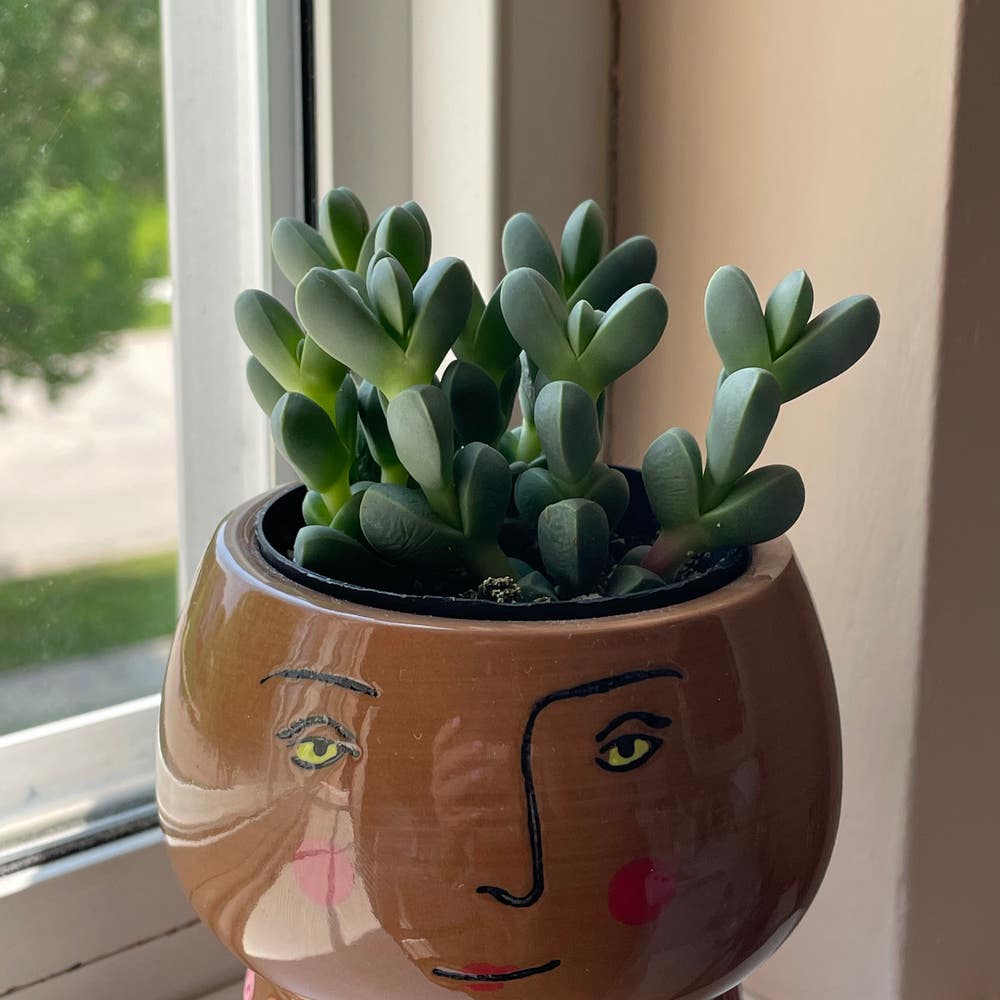
Why Are My Beads Lampranthus Leaves Curling?
Braunsia maximiliani
By the Greg Editorial Team
Jun 18, 2024•4 min read
This article was created with the help of AI so we can cover more plants for you. May contain errors. See one? Report it here.
Unravel the curl in your Beads Lampranthus leaves 🍃 and revive your plant with savvy care tips!
- 🌱 Overwatering? Yellow, swollen leaves mean it's time to dry out.
- 🌡️ Temperature stress? Keep it stable to prevent leaf curl.
- 🐛 Pests lurking? Use natural remedies or insecticidal soaps.
When Water Goes Wrong: Overwatering vs. Underwatering
🚱 Spotting the Signs of Overwatering
Yellow, swollen leaves on your Beads Lampranthus might look like a cry for help, but it's actually a warning sign. These leaves can become so waterlogged they burst, a clear indicator you've been too generous with the watering can. If the leaves fall off with a mere touch and the soil feels like a wet sponge, it's time to dial it back.
🚰 Quick Fixes to Rescue an Overwatered Plant
First, stop watering and let the soil dry out. If the pot feels like it's hosting a mini swamp, consider repotting with fresh, dry soil. Elevate the plant to ensure good drainage and avoid water pooling at the bottom. It's like putting your plant on a water diet—strict but necessary.
💧 The Thirsty Plant: Underwatering Symptoms
Curling leaves on a Beads Lampranthus can also mean it's parched. If the leaves look more wrinkled than a linen shirt and the soil is drier than a stand-up comedian's wit, it's time for a drink. Underwatered leaves become flimsy and may start browning at the edges, a desperate plea for hydration.
🎯 Establishing a Watering Sweet Spot for Your Succulent
Finding the watering sweet spot is like tuning a guitar—too tight and the strings snap, too loose and the music falls flat. Check the soil before watering; if it's dry an inch down, it's time to water. Aim for moist, not drenched soil, and always let excess water drain away to prevent root rot.

Feeling the Heat: Temperature Stress and Your Plant
🌡️ Too Hot to Handle
Heat stress can cause your Beads Lampranthus to throw a fit. Wilting, browning at the edges, and stunted growth are tell-tale signs. It's not just being dramatic; it's struggling to survive.
- Shade is your plant's best friend. Move it out of direct sunlight during the hottest parts of the day.
- Air circulation helps. Ensure your plant isn't suffocating in stagnant heat.
- Mulching can keep soil temperatures stable. Consider a layer to protect those roots.
❄️ Chilly Reception
Conversely, cold drafts are like an unwanted cold shoulder for your succulent. Curling leaves may indicate it's time to bundle up.
- Insulate your plant during colder months. A plant cloche or bubble wrap can ward off the chill.
- Avoid drafts. Keep your plant away from open windows or doors that could usher in a cold breeze.
- Consistent temperatures are key. Sudden changes are as welcome as a pop quiz on a Monday morning. Keep it stable to avoid stress.

Unwanted Guests: Tackling Pest Infestations
🐜 Common Culprits
Pests can turn your Beads Lampranthus from a succulent sensation into a curled-up conundrum. Aphids, mealybugs, and spider mites are the usual suspects. They're tiny but mighty in their capacity for chaos. Check the undersides of leaves and the nooks of stems—if you spot any critters or webbing, it's time to take action.
💣 Natural and Chemical Warfare Against Tiny Invaders
Natural remedies should be your go-to for evicting these pests. Introducing predatory insects like ladybugs can help keep the pest population in check. For a hands-on approach, a gentle shower can dislodge the freeloaders. If the infestation persists, insecticidal soaps or neem oil can be applied with precision. Remember, follow the instructions carefully—this isn't the time for guesswork.

Creating a Curl-Free Environment
💧 Water Wisdom
To prevent curling leaves in Beads Lampranthus, a watering routine is non-negotiable. Check the top inch of soil; if it's dry, it's time to water. If it's damp, wait. Overwatering invites fungi to a feast, so use a long-spout watering can to target the roots and spare the leaves. Room temperature water is best, and if you're using tap water, let it sit out to dechlorinate. Remember, it's not about drenching; it's about maintaining a moist, but not soggy, soil environment.
🌡 Consistent Climate Control
Stable temperatures are the Beads Lampranthus's best friend. Avoid placing your plant where temperatures swing wildly. Think of your plant's ideal environment as a cozy, stable nook, not a seat next to a drafty window or a heat vent. Air circulation is crucial, but keep it gentle; a fan can provide a soft breeze to ward off fungal enemies. Aim for a consistent humidity level, too—consider a pebble tray or humidifier to keep the air around your plant just right.
⚠️ Safety First
This content is for general information and may contain errors, omissions, or outdated details. It is not medical, veterinary advice, or an endorsement of therapeutic claims.
Always consult a qualified healthcare professional before using any plant as food, medicine, or supplement.
Never eat any plant (or feed one to pets) without confirming its identity with at least two trusted sources.
If you suspect poisoning, call Poison Control (800) 222-1222, the Pet Poison Helpline (800) 213-6680, or your local emergency service immediately.
Spotted an error? Please report it here.
Keep your Beads Lampranthus leaves unfurled and fabulous 🌿 by using Greg to find their watering sweet spot, protecting them from the perils of too much love or neglect.