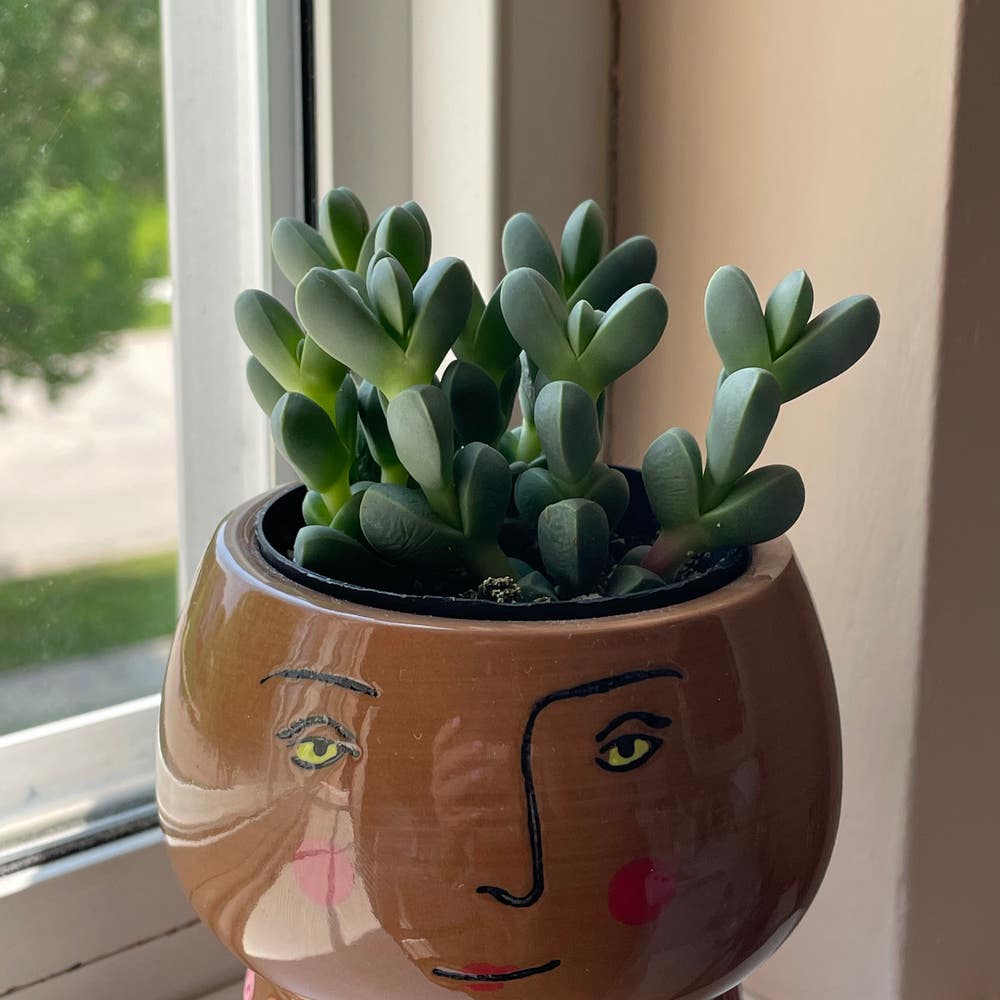
Why Are My Beads Lampranthus Leaves Mushy?
Braunsia maximiliani
By the Greg Editorial Team
Jun 18, 2024•4 min read
This article was created with the help of AI so we can cover more plants for you. May contain errors. See one? Report it here.
Prevent mushy Beads Lampranthus leaves 🍂 with these fail-proof plant care strategies!
- Overwatering leads to mushy leaves, so wait for dry soil before watering.
- Repot with drainage holes and snip off mushy leaves to prevent rot.
- Soak and dry method, well-draining soil, and proper light/airflow keep leaves firm.
Spotting Trouble: Signs Your Beads Lampranthus is Too Squishy
💦 Overwatering Overload
Overwatering is often the root of all mushiness in Beads Lampranthus. Leaves may appear swollen, yellow, and translucent, like overfilled water balloons ready to burst. If they detach with a gentle touch, you've likely been too generous with the watering can.
🚰 Drainage Drama
A pot that doesn't drain can turn your plant's home into a swamp. Check if the topsoil is dry but underneath it's a wet mess; this is a sign of poor drainage. A heavy pot or a moldy smell also indicates that water isn't escaping as it should, creating a soggy environment ripe for trouble.
🦠 Infection Inspection
Mushy leaves can be a playground for fungi and pests. Look for brown or black spots, a sign of fungal attack, or the presence of pests that thrive in damp conditions. These invaders compromise the plant's health, leading to mushy, decaying leaves.

First Aid for Mushy Leaves
💧 Watering Woes: Time to Dry Out
Overwatering is the silent killer of Beads Lampranthus. If your plant's soil feels more like a swamp than a desert, it's time to intervene. Hold off on watering until the top inch of soil is dry. This isn't neglect; it's tough love.
🌱 Repotting to the Rescue
If your succulent's pot is retaining water like a sponge, repot immediately. Choose a container with drainage holes that could rival Swiss cheese. For soil, think light and airy—a mix of potting soil, perlite, and coarse sand is your plant's new best friend.
🌿 Cutting Away the Decay
With sterilized precision, snip off the mushy leaves. Treat each cut as a potential contamination zone—clean your tools after every snip. It's like a surgical procedure for your plant's health.
💨 The Dry-Out Period
After the operation, let your plant's wounds air out. A few days of dryness will help the healthy tissue to callous over. It's like sending your plant to a wellness retreat, minus the yoga and meditation.
🏺 Soil and Pot Selection
When choosing a new pot, bigger isn't always better. Select a size that gives your plant a little room to grow without swimming in excess soil. And that soil? It should drain faster than a sink with a new pipe.
🌱 The Aftercare
Post-repotting, resist the urge to water. Let your plant settle into its new home and recover from the trauma. Give it a week, then water lightly to welcome it back to the land of the living.

Keeping Leaves Firm and Fabulous
💧 The Art of Perfect Watering
Soak and dry—the mantra for Beads Lampranthus watering. Wait for the soil to completely dry before drenching. This method encourages deep root growth and prevents the mushy leaf mayhem.
🌱 Soil and Pot Perfection
Mix up a well-draining soil concoction with perlite or sand to keep those roots aerated and happy. Choose pots with drainage holes; think escape routes for excess water. Terracotta pots add a flair of breathability, helping soil dry out more evenly between waterings.

Environmental Tweaks for Terrific Texture
🌬️ Airflow and Sunlight: The Dynamic Duo
Ensuring your Beads Lampranthus has optimal airflow and sunlight is crucial for maintaining its perky leaves. Just like us, these succulents need a comfortable environment to thrive.
🌬️ Airflow is Key
Stagnant air is the enemy of healthy succulents. Circulate that air! A gentle breeze, not a gale-force wind, is what you're aiming for. Think of a fan on a low setting or a window cracked open to invite a soft dance of air around your plant.
🌞 Sunlight: Not Too Hot, Not Too Cold
Bright, indirect light is your Beads Lampranthus' best friend. Direct sunlight? It's a no-go. That's a one-way ticket to Burnsville. Position your plant in a spot that basks in the sun's glow without the harsh rays. If your indoor lighting is more 'dungeon' than 'sunroom,' consider using reflective materials to give your plant a photon boost.
The Perfect Spot
Finding the sweet spot for your plant might take some trial and error. Observe the leaves. They're like mood rings, changing to tell you if the light and airflow are just right. If they start looking sun-kissed, it's time to move them out of direct light. If they're stretching out, they're begging for more.
Temperature Matters
Keep the temperature consistent. Your Beads Lampranthus isn't a fan of dramatic fluctuations. It prefers a stable, warm environment, where it can bask in the glory of its own leafy splendor without breaking a sweat.
Remember, creating the right environment is like being a plant's personal DJ—mix the elements correctly, and you'll have a thriving Beads Lampranthus that's firm to the touch and a feast for the eyes.
⚠️ Safety First
This content is for general information and may contain errors, omissions, or outdated details. It is not medical, veterinary advice, or an endorsement of therapeutic claims.
Always consult a qualified healthcare professional before using any plant as food, medicine, or supplement.
Never eat any plant (or feed one to pets) without confirming its identity with at least two trusted sources.
If you suspect poisoning, call Poison Control (800) 222-1222, the Pet Poison Helpline (800) 213-6680, or your local emergency service immediately.
Spotted an error? Please report it here.
Revive your Beads Lampranthus from soggy to sturdy 🌞 with Greg's tailored reminders to water only when the top inch of soil is dry, ensuring a perfect home for your succulent's comeback!