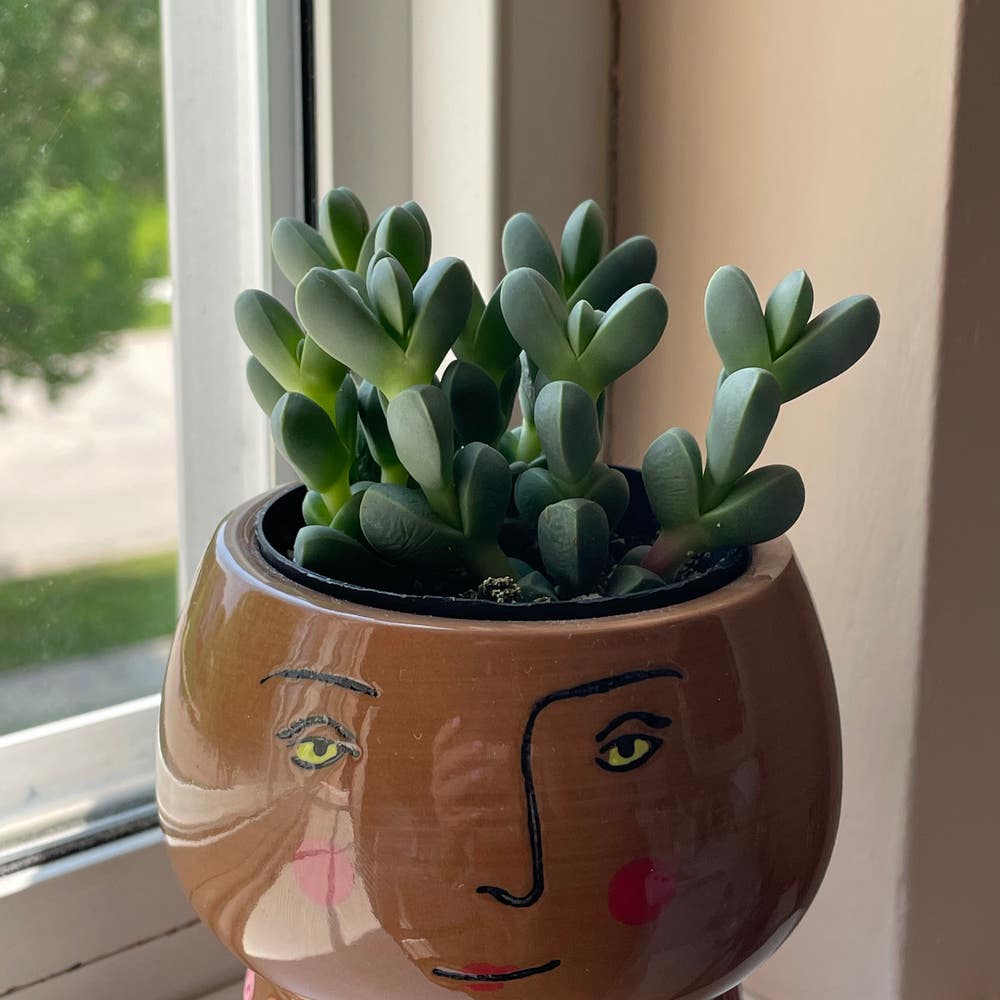
Should I Repot My Beads Lampranthus And If So, How?
Braunsia maximiliani
By the Greg Editorial Team
Jun 18, 2024•3 min read
This article was created with the help of AI so we can cover more plants for you. May contain errors. See one? Report it here.
Revitalize your Beads Lampranthus 🌿 and prevent root-rot drama with this essential repotting guide!
- Root-bound or stunted growth? Time to repot your Beads Lampranthus.
- Spring into action: Best season for repotting with well-draining soil.
- Terracotta for health, ceramic for style, plastic for moisture retention.
Spot the Clues: When Your Beads Lampranthus is Begging for a New Home
🌱 Root Tango: Unraveling the Root-Bound Mystery
Roots circling the bottom of the pot or poking through drainage holes scream "new home, please!" A root-bound Beads Lampranthus can't absorb nutrients effectively, leading to a compromised health.
💧 Water Woes: Drainage Drama
When water zips through the pot faster than a kid on a waterslide, it's a sign of poor drainage. This can cause dehydration or, paradoxically, root rot if water lingers due to compacted soil.
📏 Growth Grumbles: When Size Matters
A Beads Lampranthus that's hit a growth plateau is likely root-bound. If your green buddy isn't growing despite proper care, it's time to consider a pot upgrade.

The Repotting Rundown: A Step-by-Step Guide
⏰ Timing is Everything: Seizing the Season
Spring ushers in new beginnings for both flora and gardeners. For Beads Lampranthus, it's the ideal time to repot, leveraging the plant's natural growth spurt.
🌱 Prepping the New Pad: Pot and Soil Selection
Size matters when it comes to pots—aim for one that's slightly larger than the current home. A well-draining soil mix is non-negotiable; think succulent-specific or make your own with equal parts sand, potting soil, and perlite.
🌿 The Gentle Uproot: Moving Your Plant with Care
Ease your Beads Lampranthus out with a tender touch, ensuring roots stay intact. Snip away any dead or overly long roots to encourage healthy growth in their new abode.
🏡 Settling In: Planting and Aftercare
Center your plant in the new pot and introduce it to its fresh soil mix. Post-repotting, water sparingly to avoid overwhelming the roots. A bright spot with indirect sunlight will help your Beads Lampranthus acclimate and thrive.

Picking the Perfect Pot: Material Matters
🏺 Terracotta vs. Plastic: Weighing the Pros and Cons
Terracotta pots are the breathable choice for Beads Lampranthus, offering superior air flow and moisture regulation. They're the old-school gym socks of the plant world—functional but can crumble under pressure. Plastic pots, meanwhile, are the clingy friends that hold onto water for dear life, which can be a blessing or a curse. They're lightweight, making them easy to shuffle around, but they're not doing any favors for the environment.
Ceramic Charm: Style and Substance
Ceramic pots bring the pizzazz, with their glaze and grace, but they can be as picky about drainage as a toddler with vegetables. Make sure they've got holes for escape routes. They're also on the hefty side, so if you're planning on moving your Beads Lampranthus around, you might need to hit the gym first.

⚠️ Safety First
This content is for general information and may contain errors, omissions, or outdated details. It is not medical, veterinary advice, or an endorsement of therapeutic claims.
Always consult a qualified healthcare professional before using any plant as food, medicine, or supplement.
Never eat any plant (or feed one to pets) without confirming its identity with at least two trusted sources.
If you suspect poisoning, call Poison Control (800) 222-1222, the Pet Poison Helpline (800) 213-6680, or your local emergency service immediately.
Spotted an error? Please report it here.
Revitalize your Beads Lampranthus's growth and health with a new pot 🪴 by letting Greg guide you through the repotting process and create a tailored care plan for your refreshed plant.