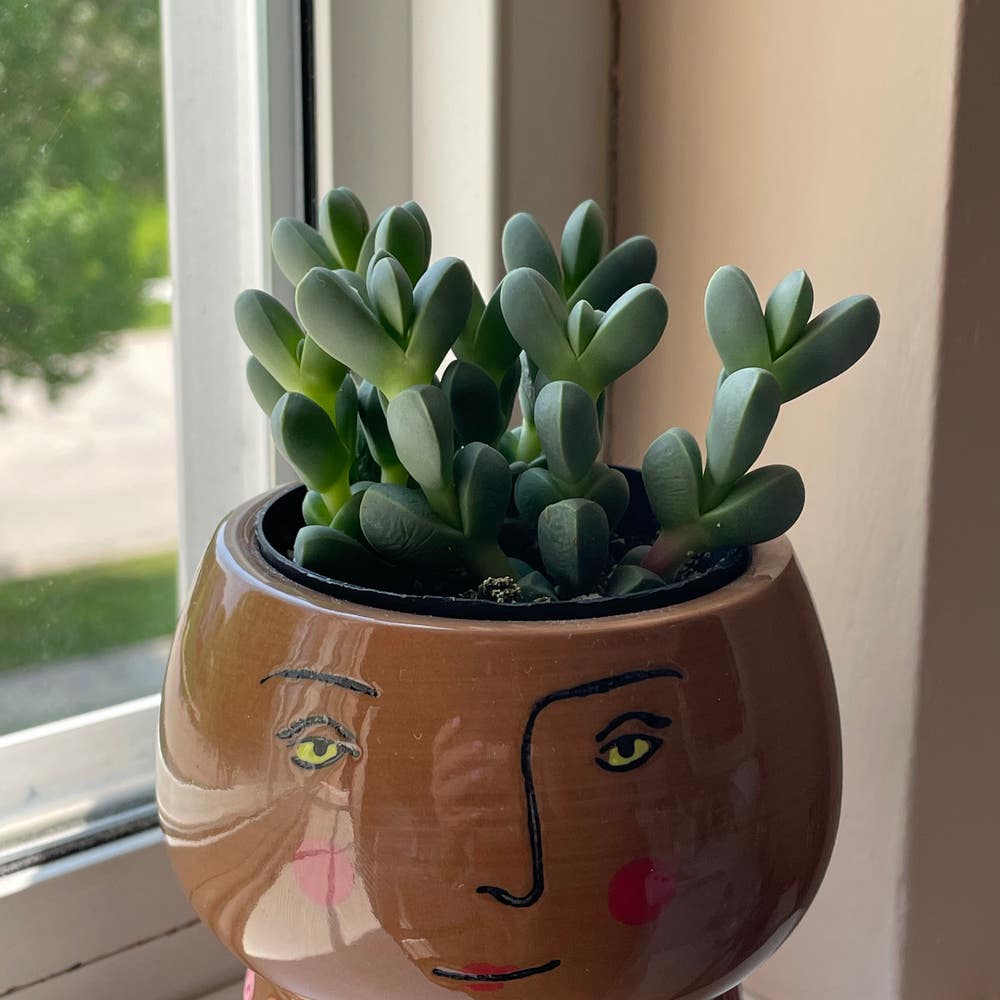
Best Potting Soil Mix for Beads Lampranthus
Braunsia maximiliani
By the Greg Editorial Team
Jun 18, 2024•5 min read
This article was created with the help of AI so we can cover more plants for you. May contain errors. See one? Report it here.
Nurture a lush Beads Lampranthus 🌿 with this fail-proof soil mix recipe for peak plant health!
- Unhealthy soil signs: foul smell, white mold, wetness, heavy pot, mushy roots.
- Perfect mix: soil, perlite, peat moss, worm castings/compost, coarse sand.
- DIY benefits: customize, control ingredients, cost-effective, and ensure sterility.
Spotting and Fixing Unhealthy Soil
🚫 Signs Your Beads Lampranthus is Unhappy with Its Soil
Mold is the archenemy of healthy soil. If your Beads Lampranthus' soil smells like a forgotten gym locker or sports a fuzzy white coat, it's time for intervention. Overly wet soil, a pot that's heavier than it should be, or roots that resemble overcooked noodles are all distress signals.
Turning the Soil Situation Around
Remedies for moldy or compacted soil start with cutting back on the H2O. Boost airflow and let the sun work its magic. If you're dealing with a full-on mold fiesta, it's repotting time. Shake off the old soil, snip away any mushy roots, and give your plant a fresh start in a sterile mix.
To prevent future soil drama, ensure drainage is top-notch. Mix in perlite or coarse sand to keep the soil's moisture level balanced. It's like setting up a good drainage system in a house – it prevents water from pooling where it shouldn't.

Crafting the Perfect Potting Mix
🌱 The Ingredients for Success
All-purpose potting soil is your starting block. It's the reliable base that holds everything together. Next, perlite steps in for aeration, ensuring roots don't drown in excess moisture. Sphagnum peat moss joins the party for moisture control and to keep the pH balanced. Don't forget the worm castings or compost; they're the nutrient-rich superfoods for your Beads Lampranthus. And a touch of coarse sand? That's for impeccable drainage.
🌿 Mixing It Up at Home
- Begin with two parts all-purpose potting soil; this is your canvas.
- Add one part perlite; think of it as the oxygen tank for your plant's roots.
- Mix in one part sphagnum peat moss; it's the moisture maestro.
- Sprinkle in half a cup of worm castings or compost for that nutritional punch.
- Consider a dash of coarse sand to keep things flowing smoothly.
- Mix thoroughly. Your Beads Lampranthus is about to dine like royalty.
To ensure your mix is sterile, bake the soil at 200°F for 30 minutes. This kills off any unwanted guests. Remember, your Beads Lampranthus isn't just another plant—it's a living sculpture that demands the best.

Store-Bought vs. Homemade: Making the Choice
🌱 When to Buy and What to Look For
Commercial soil mixes are the express lane for plant parents with a clock ticking louder than their patience. They come ready to use, and some, like Sol Soils and Bonsai Jack, are specifically engineered for plants that detest wet feet. But keep your eyes peeled for the ingredients list; drainage is key. Perlite or sand should be non-negotiables on that list, alongside a touch of compost or worm castings for a nutrient kick. A mix that's light as a feather suggests good aeration, which is crucial for your Beads Lampranthus to breathe easy.
🌿 The Perks of Going DIY
Rolling up your sleeves and diving into a DIY soil mix is like crafting your own secret sauce. It's a concoction of one part potting soil, one part coarse sand, and one part perlite, which hits the sweet spot for drainage and aeration. It's a wallet-friendly approach that lets you tweak the recipe to your plant's exact liking. Sure, it's a bit of a time sink and you'll need to do your homework, but the control you get over what your Beads Lampranthus calls home? Priceless. Just remember, sterilization is not just for surgeons; make sure your homemade mix is as clean as a whistle.

Long-Term Soil Care for Beads Lampranthus
🌱 Keeping the Good Times Rolling
Maintaining soil quality is crucial for the longevity of your Beads Lampranthus. Regularly check the soil's moisture with a finger test; if it's dry an inch down, it's time to water. Avoid overwatering; these succulents despise soggy feet.
Organic matter is your friend. Incorporate materials like peat moss or compost to keep the soil nutrient-rich and well-draining. This encourages beneficial organisms that contribute to soil health.
🕰 Recognizing When It's Time for a Change
When your Beads Lampranthus starts to look less than stellar, it might be the soil crying out for help. If the soil is compacted or has a funky smell, it's time to refresh.
Repotting should be done with care. Use a mix that's one part loam or peat moss, one part sand, and one part perlite for optimal drainage and aeration. Remember, a snug pot is better than an oversized one; it keeps the soil from retaining excess moisture.
Monitor your plant for signs of distress. If you spot browning tips or a general lack of vigor, consider whether the soil might be the culprit. Refreshing the soil annually can prevent a multitude of sins.
Sterilize your tools before tackling any repotting job to prevent the spread of disease. And if you're dealing with root rot, don't hesitate to trim away the affected parts before repotting in fresh soil.
⚠️ Safety First
This content is for general information and may contain errors, omissions, or outdated details. It is not medical, veterinary advice, or an endorsement of therapeutic claims.
Always consult a qualified healthcare professional before using any plant as food, medicine, or supplement.
Never eat any plant (or feed one to pets) without confirming its identity with at least two trusted sources.
If you suspect poisoning, call Poison Control (800) 222-1222, the Pet Poison Helpline (800) 213-6680, or your local emergency service immediately.
Spotted an error? Please report it here.
Keep your Beads Lampranthus in top-notch soil 🌟 with Greg's reminders for when it's time to refresh the mix, ensuring perfect drainage and aeration every time.