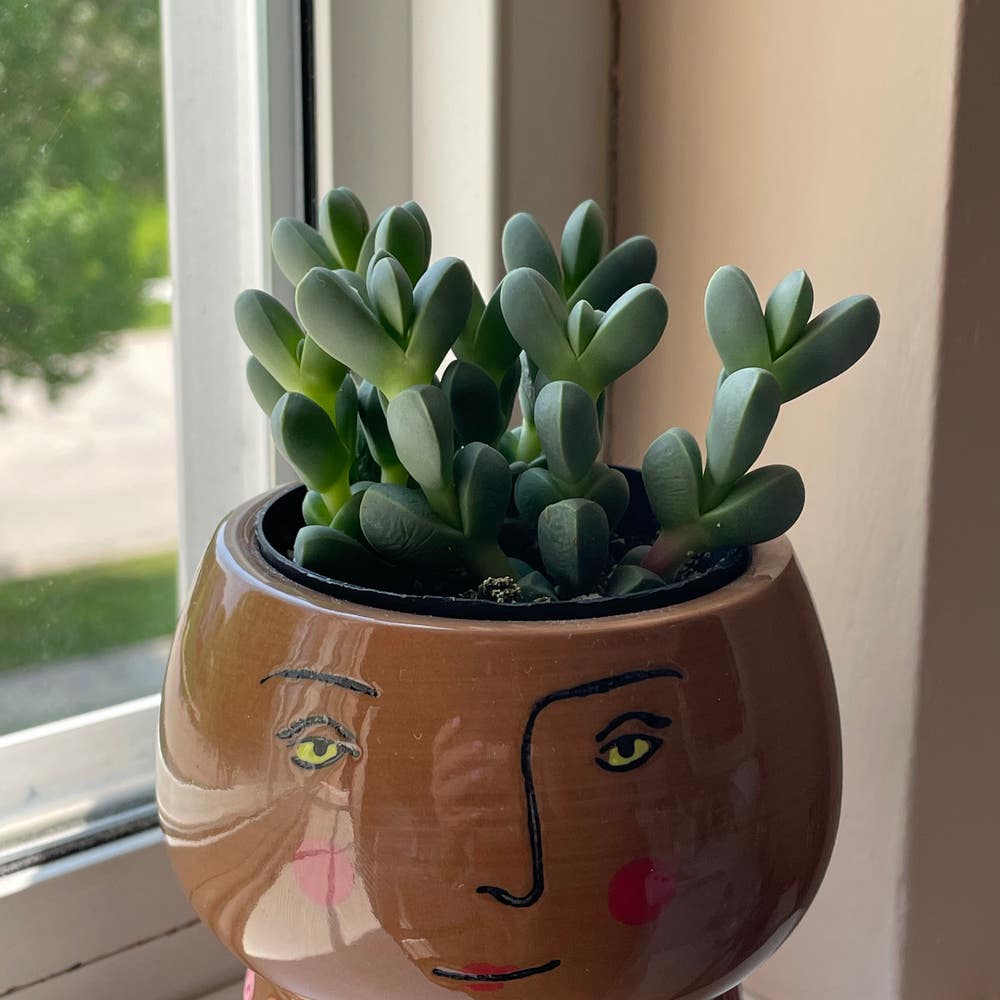
🐞 What Are The Bugs on My Beads Lampranthus?
Braunsia maximiliani
By the Greg Editorial Team
Jun 18, 2024•6 min read
This article was created with the help of AI so we can cover more plants for you. May contain errors. See one? Report it here.
Protect your Beads Lampranthus' beauty 🌸 by outsmarting bugs with these expert pest identification and control tips!
- 🕸️ Spider mites show webs; neem oil helps. Scale insects need alcohol swabs.
- 🍄 Fungus gnats, fruit flies? Use sticky traps and soil drenches.
- 🛡️ Integrated Pest Management: Combine vigilance, controls, and professional help if needed.
Spot the Invaders: Identifying Common Pests
🕷️ Spider Mites
Signs of Infestation
Look for fine webs and a speckled appearance on leaves—classic spider mite graffiti. These pests are tiny, but the damage they do is anything but.
🌿 Combat Tactics
Neem oil is your green ammo against these critters. Increase humidity to mite-unfriendly levels to keep them from feeling at home.
🦠 Scale Insects
Unmasking the Enemy
Waxy bumps on stems and leaves are your red flags. Scale insects are like unwelcome squatters, sucking sap and excreting sticky honeydew.
⚔️ Battle Plan
Scrub them off with a soft brush or use a cotton swab soaked in rubbing alcohol for precision strikes. Insecticidal oils can serve as a protective barrier.
🦟 Fungus Gnats and Fruit Flies
Detecting the Swarm
If you spot small flies or notice larvae in the soil, you've got uninvited guests. These pests are more than a nuisance; they're a threat to your plant's roots.
🛡️ Countermeasures
Deploy sticky traps to capture adult flies. A soil drench can evict larvae from their cozy underground lairs.
🐛 Mealybugs
The White Menace
Cottony clusters are the calling card of mealybugs. They're like fluffy white pirates, plundering your plant's vital juices.
🗡️ Eradication Strategies
Alcohol swabs are your precision tool for spot-treatment. A soap spray can act as a broader shield against these fluffy white marauders.

The Unusual Suspects: Less Common Pests
🐜 Aphids
Aphids are sap-sucking pests that can wreak havoc on your Beads Lampranthus. These tiny insects cluster together, leaving behind a sticky residue known as honeydew.
🛡️ Combat Strategies
To tackle aphids, a strong jet of water can knock them off your plants. Alternatively, insecticidal soap applied directly to the pests is an effective organic solution.
🦟 Whiteflies
Whiteflies are small, moth-like insects that congregate on the undersides of leaves. They're known for a cloud of white when disturbed and also excrete honeydew.
🛡️ Defense Tactics
Yellow sticky traps are excellent for capturing whiteflies. For a more active approach, insecticidal soap or horticultural oil can be applied to infested areas. Vacuuming can also reduce adult populations.

Integrated Pest Management: A Holistic Approach
🕵️ Blending Identification with Immediate Action
IPM kicks off with vigilance. Spot a pest? Time to hustle. This isn't about dousing your Beads Lampranthus with every pesticide on the shelf. It's a calculated response, tailored to the threat level. Act fast, but act smart.
💨 The Role of Environmental Controls
Airflow and watering aren't just about keeping your plant alive—they're strategic moves in the IPM playbook. Get these right, and you're setting up a fortress against pests. Think of it as creating a microclimate that's more "do not enter" than "welcome home" for bugs.
🚧 Quarantine and Inspection: Your First Line of Defense
New plant on the block? Quarantine it. It's not unfriendly, it's just good sense. And keep those inspections regular—like a bouncer with a keen eye for troublemakers. Spot a problem? Isolate the affected plant faster than you'd swipe left on a bad dating profile.
🛠 Mechanical and Physical Controls
Got invaders? Sometimes the best approach is the most direct one. Hand-picking pests or snipping off infected parts can be oddly satisfying. And barriers? They're the bouncers of the plant world, keeping those pests out of the club.
☣️ Chemical Controls: The Last Resort
Pesticides are the big guns, and with IPM, they're your last resort. When you do bring them out, aim with precision for minimal collateral damage. It's about using the right product, at the right time, in the right way.
📊 Monitoring and Decision-Making
Keep an eye out. Regular monitoring means you're always one step ahead, making decisions based on what's actually happening, not what you fear might happen. It's the difference between an informed strategist and a panicky gardener.
🎯 IPM Principles
Understand your enemy. Know their life cycles, their likes and dislikes. This isn't just about killing bugs—it's about creating an environment where they can't get a foothold in the first place. It's IPM: less whack-a-mole, more chess master.

When Pests Prevail: Seeking Professional Help
Sometimes, despite your best efforts, pests get the upper hand. Recognizing when to call in the experts is crucial. If you're locked in an ongoing battle with pests and losing ground, it's time to consider professional help.
🚨 Recognizing the Need for Expert Intervention
Persistent infestations can wreak havoc on your Beads Lampranthus. When you've cycled through every DIY remedy and still find yourself outgunned, it's a clear signal to enlist a professional.
🛠 The Benefits of Professional Pest Control Services
Professionals bring to the table a wealth of knowledge and an arsenal of tools that can turn the tide in your favor. They're equipped to handle severe cases with precision and can offer long-term solutions rather than temporary fixes.
💫 Immediate and Long-Term Relief
A professional's intervention can provide immediate relief and help prevent future invasions. They can identify the root cause of the infestation and tailor a strategic plan to your specific situation.
💼 Access to Professional-Grade Treatments
Experts have access to treatments that aren't available over the counter. These potent solutions can be more effective against stubborn pests without causing undue harm to your plant.
🕰 Saving Time and Sanity
Let's face it, dealing with pests can be a time-consuming nightmare. Calling in the pros can save you hours of frustration and give you peace of mind.
🌿 Finding the Right Pest Control Professional
Start with a local gardening group or your County Extension Service for recommendations. These resources can point you towards reputable professionals who specialize in plant care and pest management.
🐜 Ensure They Understand Plant Pests
Make sure the service you choose has experience with garden pests specifically. You want someone who speaks 'plant' fluently and understands the delicate nature of your Beads Lampranthus.
📋 Check Reviews and Credentials
Do your homework. Check reviews and verify credentials to ensure you're getting a trusted professional. It's your beloved plant's health on the line, after all.
Remember, there's no shame in calling for backup. Sometimes, the best way to protect your green oasis is to pass the baton to those who fight these battles for a living.
⚠️ Safety First
This content is for general information and may contain errors, omissions, or outdated details. It is not medical, veterinary advice, or an endorsement of therapeutic claims.
Always consult a qualified healthcare professional before using any plant as food, medicine, or supplement.
Never eat any plant (or feed one to pets) without confirming its identity with at least two trusted sources.
If you suspect poisoning, call Poison Control (800) 222-1222, the Pet Poison Helpline (800) 213-6680, or your local emergency service immediately.
Spotted an error? Please report it here.
Eradicate those pesky bugs from your Beads Lampranthus with precision 🎯 using Greg's PlantVision for identification and custom care alerts for a pest-free paradise!