🦁 Ultimate Guide to Lion's Tail Agave Roots
Agave attenuata
By the Greg Editorial Team
Sep 30, 2024•6 min read
This article was created with the help of AI so we can cover more plants for you. May contain errors. See one? Report it here.
- 🌱 Lion's Tail Agave has a deep taproot for moisture and nutrient access.
- 💧 Drought-adapted roots thrive in low-water conditions; monitor soil moisture carefully.
- 🌿 Healthy roots are vital for propagation; ensure proper care during growth.
Description of the Root System
🌱 Type of Root System
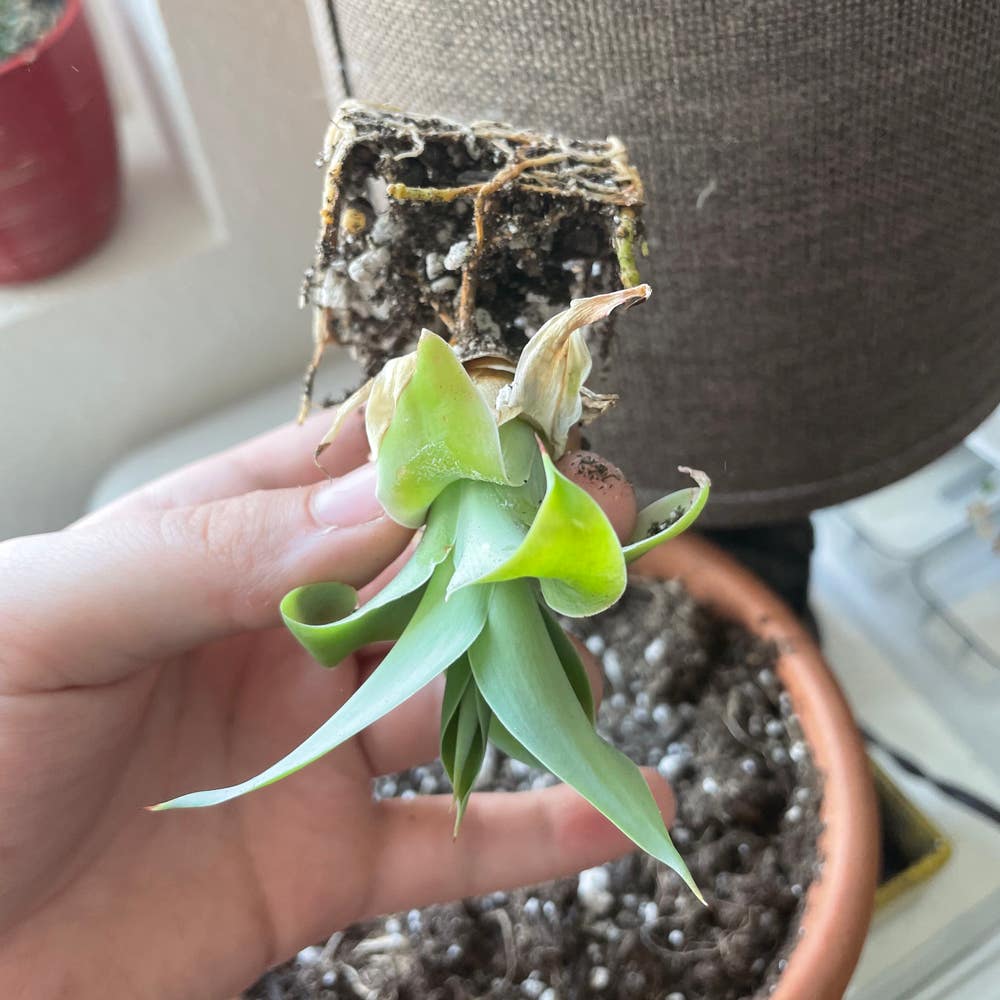
The Lion's Tail Agave features a prominent taproot that deeply anchors the plant. This taproot is essential for accessing moisture and nutrients from the soil, ensuring the plant thrives even in challenging conditions.
In addition to the taproot, the agave has a lateral spread of relatively shallow roots. These roots extend horizontally, providing stability and helping the plant withstand strong winds and other environmental stresses.
🧬 Characteristics of the Root System
One of the most fascinating aspects of the Lion's Tail Agave's root system is its adaptation to drought. The roots are designed to maximize water uptake, allowing the plant to survive in low-water conditions, which is crucial for its survival in arid environments.
Moreover, there is variability among different Lion's Tail Agave varieties. Each variety may exhibit distinct root characteristics, which can influence its growth habits and resilience. Understanding these differences can help you choose the right variety for your gardening needs.
With a solid grasp of the root system, you're better equipped to care for your Lion's Tail Agave. Next, let’s dive into how this unique root structure affects watering and fertilizing practices.
Watering and Fertilizing
🌱 How Root System Affects Watering Needs
The Lion's Tail Agave features a prominent taproot that allows it to access moisture deep in the soil. This means you can water less frequently, but always keep an eye on soil moisture to ensure your plant is thriving.
Overwatering can lead to serious issues. Watch for signs like wilting, yellowing leaves, and root rot, which can signal that your plant is drowning.
🌿 Fertilization Techniques Tailored to Root Health
When it comes to fertilizing, opt for low-nitrogen, slow-release fertilizers. These types promote healthy root growth without overwhelming the plant.
Timing is crucial; fertilize during the growing season for the best results. Avoid feeding in the winter months when the plant is dormant, as this can stress the roots.
By understanding how to water and fertilize your Lion's Tail Agave properly, you set the stage for a robust and healthy plant. Next, let’s explore the best practices for transplanting your agave to ensure its continued success.
Transplanting Techniques
Best Practices for Transplanting 🌱
Transplanting your Lion's Tail Agave is best done in the spring or early summer. This timing ensures optimal growth as the plant is actively thriving.
Preparation is key. Water the plant a day before transplanting to help reduce stress on the roots. This simple step can make a significant difference in the plant's recovery.
Impact of Root System on Transplanting Success 🌳
Handling the taproot requires care. When removing the plant, ensure the root ball remains intact to minimize damage.
After transplanting, water the plant thoroughly. Keep an eye out for signs of transplant shock, such as drooping leaves or slowed growth, and be ready to adjust your care accordingly.
With these techniques, your Lion's Tail Agave will have the best chance to thrive in its new home. Next, we’ll explore common root-related issues and how to tackle them effectively.
Common Root-Related Issues
Identifying Root Rot and Other Diseases 🌱
Root rot is a sneaky problem that can devastate your Lion's Tail Agave. Look for dark, mushy roots, a foul odor, and stunted growth as key symptoms.
Fungal infections can also plague your plant, affecting root health and overall vitality. Keeping an eye on these signs can save your agave from serious damage.
Solutions for Preventing and Treating Root Issues 🛠️
Prevention is your best ally. Ensure your soil drains well and avoid overwatering to keep root rot at bay.
If you do encounter issues, act quickly. Remove affected roots and repot your agave in fresh, dry soil to give it a fighting chance.
By staying vigilant and proactive, you can maintain a healthy root system and a thriving plant. Now, let’s explore how to recognize rootbound plants and what to do about them.
Root Health Indicators
👀 Visual Cues for Healthy Roots
Healthy roots are typically firm and exhibit a white or light tan color. This vibrant appearance indicates that the roots are thriving and effectively supporting the plant.
Robust growth above ground is another strong indicator of a healthy root system. If your Lion's Tail Agave is flourishing, it's likely that its roots are doing their job well.
🚨 Signs of Unhealthy Roots and Corrective Actions
Unhealthy roots often present as dark, mushy textures accompanied by foul smells. These symptoms are clear red flags that something is amiss below the surface.
To address root issues, start by pruning away any unhealthy roots. Adjusting your watering practices can also help restore balance and promote healthier growth.
By keeping an eye on these indicators, you can ensure your Lion's Tail Agave remains vibrant and strong. Next, let’s explore how to recognize rootbound plants and the steps to remedy this condition.
Recognizing Rootbound Plants
Definition and Causes of Rootbound Conditions 🌱
Rootbound plants are those whose roots grow in tight circles within the pot, which can severely limit their growth. This condition often arises from using small pots, neglecting to repot, or simply due to the plant's vigorous growth.
How to Recognize and Address Rootbound Issues 🔍
Look for clear signs that your plant is rootbound. If you see roots emerging from drainage holes or wrapping around the pot, it’s time to take action.
To resolve this issue, repot the plant into a larger container. Be sure to gently loosen the root ball to encourage healthy growth in its new home.
Recognizing and addressing rootbound conditions promptly can lead to a thriving plant, so keep an eye on those roots! Next, let’s explore the importance of root health in propagation.
Propagation and Division
🌱 Importance of Root Health in Propagation
Healthy roots are the backbone of successful propagation. They ensure that new plants establish well and thrive in their new environments.
Timing is crucial; the best period for propagation is during the growing season. This is when the plant is actively growing, making it more receptive to division.
✂️ Step-by-Step Guide for Dividing Lion's Tail Agave
Prepare tools: Grab a clean, sharp knife or spade to minimize damage.
Remove the plant: Carefully lift the plant from its pot, taking care not to disturb the roots too much.
Identify divisions: Look for offsets or pups that can be separated easily.
Cut and replant: Ensure each division has a healthy root system. Replant them in well-draining soil to promote growth.
Post-division care: Water lightly and place the new plants in indirect sunlight to help them recover.
By following these steps, you can successfully propagate Lion's Tail Agave, ensuring that each new plant has the best chance to flourish. This not only expands your garden but also deepens your connection with these resilient plants.
Next, we’ll explore how to recognize rootbound plants and address any issues that may arise.
⚠️ Safety First
This content is for general information and may contain errors, omissions, or outdated details. It is not medical, veterinary advice, or an endorsement of therapeutic claims.
Always consult a qualified healthcare professional before using any plant as food, medicine, or supplement.
Never eat any plant (or feed one to pets) without confirming its identity with at least two trusted sources.
If you suspect poisoning, call Poison Control (800) 222-1222, the Pet Poison Helpline (800) 213-6680, or your local emergency service immediately.
Spotted an error? Please report it here.
Unlock the secrets of your Lion's Tail Agave's roots for thriving growth 🌿 with Greg's tailored watering reminders and expert care tips!