Why Is My Hoya Carnosa Tricolor Dropping Leaves?
Hoya carnosa 'Tricolor'
By the Greg Editorial Team
Jun 15, 2024•8 min read
This article was created with the help of AI so we can cover more plants for you. May contain errors. See one? Report it here.
Halt your Hoya's 🍃 leaf-drop panic with this lifesaving plant care guide!
- Over/underwatering and light issues can lead to leaf drop; adjust care routines.
- Maintain 60-85°F and 50-60% humidity for optimal Hoya health.
- Regular pest inspections and balanced fertilization prevent leaf loss.
Recognizing Signs of Leaf Dropping
🚨 Identifying Symptoms
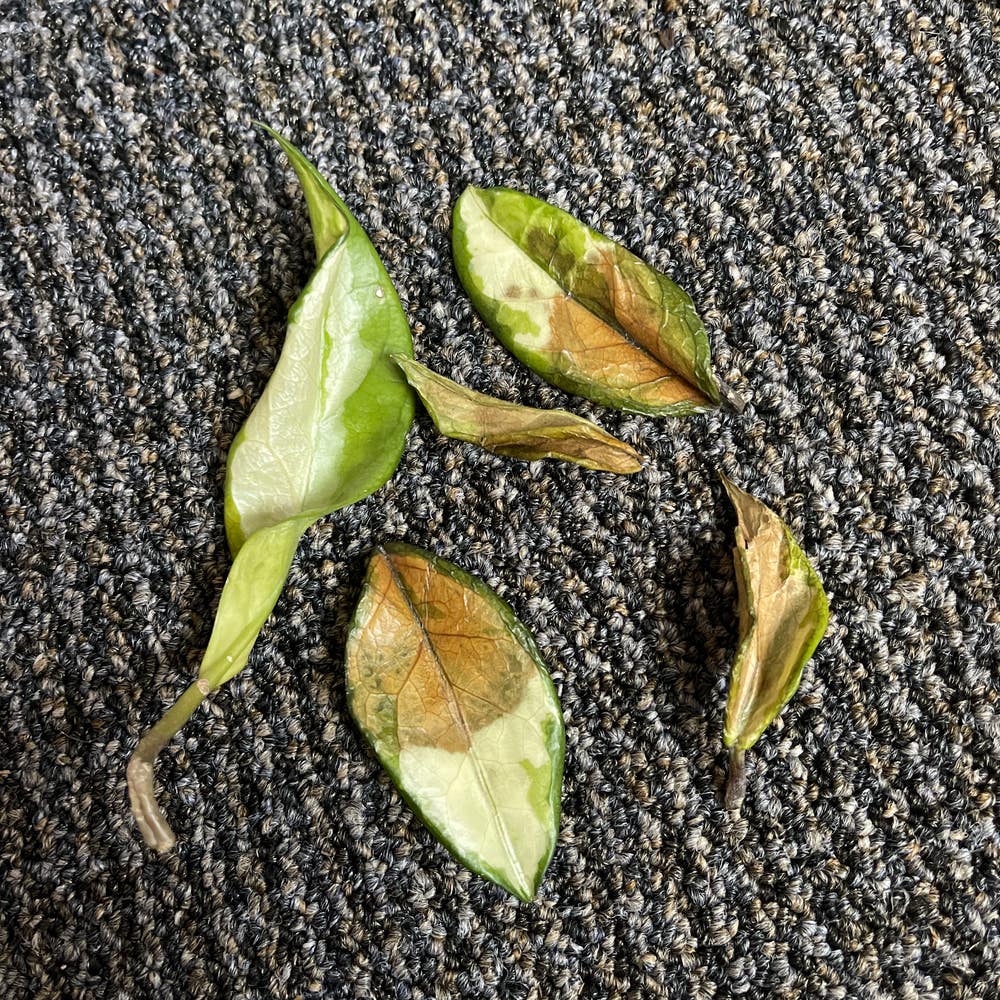
Leaf dropping in Hoya Carnosa Tricolor can be alarming, but recognizing the symptoms is the first step to recovery. Older leaves falling off could point towards root rot, especially if they're yellow or brown and mushy. New growth that stops in its tracks is another red flag.
📉 Patterns of Leaf Loss
Consistent leaf loss might be a cry for help, indicating possible root issues. If your Hoya's leaves are staging a vanishing act without a clear reason, it's time to play plant detective. Black or brown spots on leaves? Could be fungal, and that's not a fun guy to have around.
🌡️ Environmental Stress Signals
A sudden leaf drop could mean your Hoya got a chill from a draft or temperature dip. And if the leaves are wilting or the stems are sagging, that's the plant's version of a white flag. Check for pests too—spider mites and aphids love to leave their mark with discolored spots.
🎯 Normal vs. Problematic Spots
Don't panic at every spot; some are just part of the Hoya's charm. But if those spots bring friends like wilting or yellowing, it's time to consult a plant guru.
🌮 The Taco Leaf Test
Leaves bending like tacos might mean thirst, but don't rely on this alone. Wrinkled leaves? Your Hoya could be parched. Leaves drooping like they've given up on life? Water, stat. And if they're turning yellow, it's an SOS.
🔍 Quick Checks
Keep an eye out for color changes in the leaves. If they're starting to look like they've seen better days, it's time for a quick plant health check-up. Remember, catching issues early can save your Hoya from a leafless fate.

Optimal Watering Techniques
💧 Assessing Soil Moisture
Check before you drench. Your Hoya isn't a fan of soggy feet. Use your finger or a soil moisture meter to test the soil's moisture level. If the top inch feels dry, it's time to water. If not, hold off.
💦 Watering Schedule Adjustments
Observe, then water. Forget the calendar when it comes to hydration. Your plant's need for water varies with temperature, light, and humidity. Be responsive, not routine.
🚰 Improving Drainage
Good drainage is non-negotiable. Ensure your pot has enough drainage holes to let excess water escape. Mix in perlite or sand to keep the soil from retaining too much moisture.
🏜️ Underwatering Solutions
Moist, not marshy. If your Hoya is underwatered, increase watering frequency carefully. Add peat moss or vermiculite to the soil to help it retain the right amount of moisture.
🚱 Overwatering Prevention
Let the soil breathe. Allow the soil to dry out a bit between waterings. Your Hoya's roots need air as much as they need water. Overwatering suffocates them, so ease up.
💧 Proper Watering Technique
Water evenly and thoroughly. When the soil is dry, water until it runs freely from the bottom of the pot. Then, no more swimming lessons—remove any standing water to avoid root rot.
Remember, your Hoya Carnosa Tricolor is not a cactus, nor is it a water lily. Finding the sweet spot for watering will keep those leaves firmly attached and looking fabulous.

Light and Temperature Control
🌞 Light: The Lifeline of Hoya Carnosa Tricolor
Bright, indirect light is the sweet spot for your Hoya Carnosa Tricolor. Think of it as the plant's preferred caffeine fix—it needs it to thrive but too much can scorch its leaves. A north-facing or east-facing window is your best bet for that gentle morning glow. If you're a techy plant parent, LED grow lights are a solid plan B, just keep them soft and indirect.
🌡️ Temperature: Keeping It Cozy
Temperature-wise, your Hoya is a bit of a Goldilocks—it likes it not too hot, not too cold, but just right. Aim for 60-85°F (15-29°C) to keep it from throwing a temper tantrum (read: dropping leaves). Drafts are the enemy; they're like that one friend who can't decide if they're coming or going, wreaking havoc on your plant's comfort zone. Keep your Hoya away from air conditioners and chilly windows, especially when winter hits.
🚫 The No-No's of Hoya Sunbathing
Direct sunlight? That's a hard no. It's like putting your plant in a tanning bed with no protective goggles. If you catch your Hoya Carnosa Tricolor getting too much harsh sun, expect a sunburnt look on its leaves. And trust me, aloe vera won't help this time.
💨 The Warm Embrace of Humidity
Hoyas love a good steam room vibe. Humidity levels of 50-60% will have your Hoya feeling like it's in a tropical paradise. If your home's drier than a British comedy, consider a humidifier or a pebble tray to up the ante. Just remember, too much of a good thing can lead to a sauna situation, and nobody wants a sweaty plant.
❄️ The Cold Hard Truth
When temperatures drop below 50°F (10°C), your Hoya will start to feel the chill, and not in a good way. It's not a winter sports enthusiast, so keep it away from the cold to avoid a leafy fallout.

Nutritional Needs and Fertilization
🌱 Identifying Nutrient Deficiencies
Yellowing leaves and stunted growth are telltale signs your Hoya Carnosa Tricolor might be craving nutrients. This yellowing, known as interveinal chlorosis, screams a nitrogen shortage. Without enough nitrogen, your Hoya's leaves won't just lose their lush green hue; they'll go full-on yellow. And growth? Forget about it. The plant's too busy trying to survive to bother with new shoots.
🌿 Fertilization Best Practices
Balanced feeding is the name of the game. A fertilizer with an even NPK ratio, like 2-2-2, will keep your Hoya's foliage in top form. Come blooming time, switch to a higher phosphorous mix to pump out those show-stopping flowers. And remember, less is more. Overzealous fertilizing can lead to root rot, which is basically a death sentence for your plant's underground parts.
🕰 When to Fertilize
Only during the active growing season—that's spring and summer for those without a green thumb calendar. Use a diluted liquid fertilizer to avoid overwhelming your Hoya. It's like seasoning food; you can always add more, but you can't take it away.
💧 Fertilizer Types
You've got options: liquid kelp, fish emulsion, or a commercial liquid fertilizer. Just be warned, organic options can stink up your indoor jungle. And always, always dilute.
🎯 Addressing Multiple Deficiencies
Don't put all your eggs in the nitrogen basket. Your Hoya could be lacking in several departments. If you suspect a nutrient heist, get a soil test done. It's like a health check-up for your plant's home.
💡 Pro Tip
Keep your Hoya's leaves dry during your watering and fertilizing rituals. Wet leaves are about as welcome as ants at a picnic—they can lead to rot and a whole host of other issues.
Pest Identification and Treatment
🐜 Spotting the Culprits
Pests are the uninvited guests at your Hoya Carnosa Tricolor's personal leaf party. Aphids, spider mites, and scale insects are the usual suspects when it comes to leaf drop. Regular inspections are crucial; flip those leaves and scrutinize the stems.
🛡️ Effective Treatments
Once you've caught them red-handed, it's time for the smackdown. Neem oil and insecticidal soap are your go-to weapons. Mix 'em up as directed and spray with vengeance, but remember, it's a plant, not a frying pan—avoid drenching the foliage. Isolation is key; give your Hoya a quarantine period to prevent a pest epidemic.
🚫 Preventative Measures
Prevention is better than cure, they say. Keep your Hoya's leaves clean to deter pests. Sticky traps can act as a pest control bouncer, catching flying nuisances. And don't forget, overwatering is like sending out an open invite to fungus gnats—keep it dry to keep them at bay.
💡 Pro Tip
If you spot any leaf spot—those unsightly brown or black marks—get snipping. Remove affected leaves and consider a fungicide if things look grim. Remember, good air circulation is like a breath of fresh air for your Hoya, keeping those fungal party poopers away.
Soil and Repotting Considerations
🌱 Choosing the Right Soil Mix
Well-draining potting mix is non-negotiable for Hoya Carnosa Tricolor. Mimic its natural habitat with a mix that allows for breathability and moisture control. A blend of peat, perlite, and organic matter hits the mark, offering nutrient-rich conditions while preventing dreaded root rot.
🌿 Repotting Essentials
When it's time to repot, size up modestly. A pot 1-2 inches larger in diameter than the current one ensures room for growth without drowning the roots in excess soil. Terracotta or unglazed ceramic pots are your allies, championing moisture wicking and root aeration.
The Repotting Process
Gently does it. Ease your Hoya out and inspect the root ball. Trim any excess roots carefully; think precision over pruning frenzy. Freshen up with new soil, packing it to eliminate large air pockets without compressing the life out of the roots. It's a delicate balance – like making the perfect cup of coffee, too weak or too strong and you've missed the mark.
Aftercare: The Critical Phase
Post-repotting, your Hoya's in recovery. Avoid overwatering; let it settle into its new home with minimal fuss. Monitor closely for signs of stress and adjust care accordingly. It's like keeping an eye on a friend after a big move – be there, but give them space to breathe.
⚠️ Safety First
This content is for general information and may contain errors, omissions, or outdated details. It is not medical, veterinary advice, or an endorsement of therapeutic claims.
Always consult a qualified healthcare professional before using any plant as food, medicine, or supplement.
Never eat any plant (or feed one to pets) without confirming its identity with at least two trusted sources.
If you suspect poisoning, call Poison Control (800) 222-1222, the Pet Poison Helpline (800) 213-6680, or your local emergency service immediately.
Spotted an error? Please report it here.
Combat leaf drop and ensure your Hoya Carnosa Tricolor thrives 🌿 with Greg's custom watering schedules and environmental tips tailored just for your plant's needs.