🍃 How to Fix Leaves Falling Over on Your Variegated Wax Plant
Hoya carnosa 'Tricolor'
By the Greg Editorial Team
Oct 09, 2024•6 min read
This article was created with the help of AI so we can cover more plants for you. May contain errors. See one? Report it here.
Transform your drooping variegated wax plant 🌱 into a thriving beauty with essential care tips for vibrant growth!
- 💧 Overwatering and underwatering both cause drooping leaves; check soil moisture regularly.
- 🌞 Bright, indirect light is essential; insufficient light leads to weak growth and drooping.
- 🐛 Regular pest inspections prevent damage; use neem oil for effective management.
Causes of Leaves Falling Over
💧 Overwatering and Its Effects
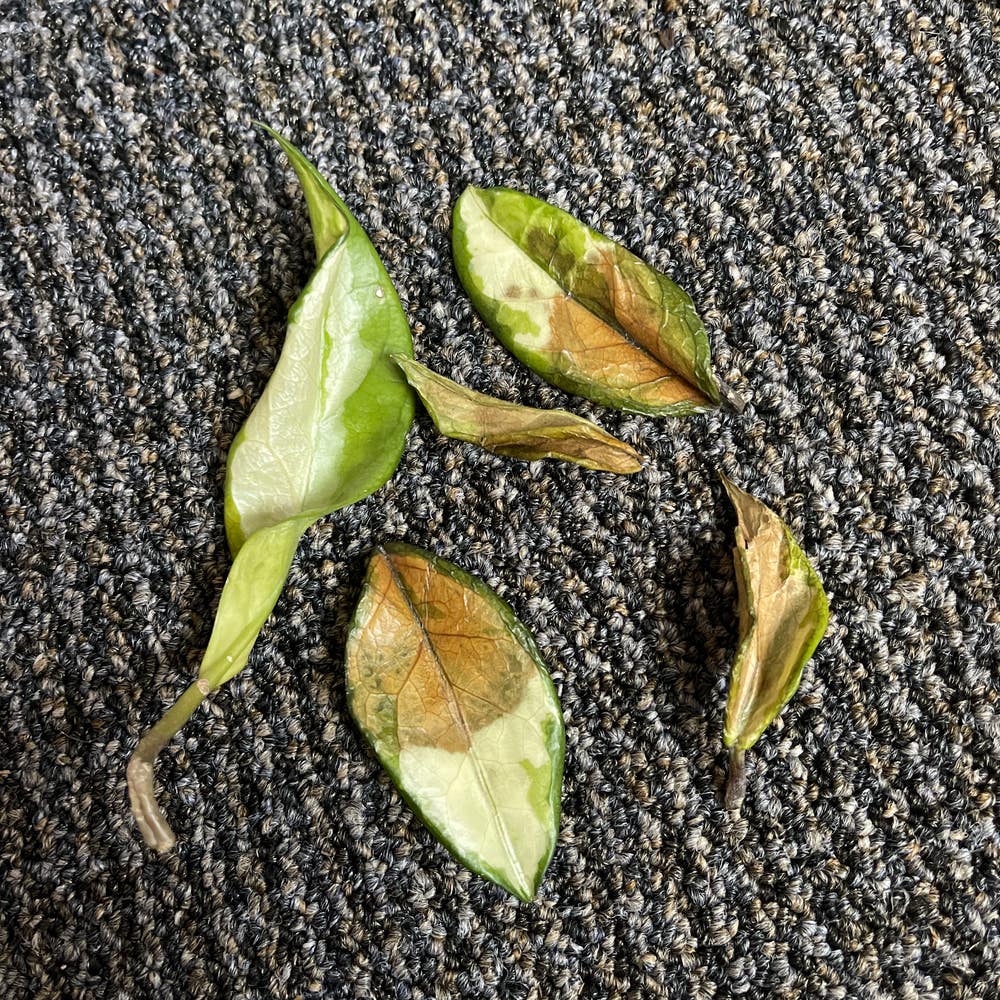
Overwatering is a common issue for variegated wax plants. Symptoms include yellowing leaves, mushy stems, and root rot.
Excess moisture in the soil can cause leaves to droop, as the plant struggles to maintain its structure.
🚰 Underwatering and Its Effects
On the flip side, underwatering can also lead to drooping leaves. Look for crispy, dry leaves and stunted growth as telltale signs.
When the plant lacks sufficient moisture, its leaves may droop, signaling distress.
💡 Insufficient Light Conditions
Variegated wax plants thrive in bright, indirect light. Insufficient light can weaken the plant, leading to elongated growth and drooping leaves.
If your plant seems to be stretching toward the light, it might be time to adjust its placement.
🐛 Pest Infestations
Pests like mealybugs and spider mites can wreak havoc on your plant. Signs of pest damage include webbing, sticky residue, and leaf discoloration.
Regular inspections can help catch these infestations early, preventing further damage.
🌱 Nutrient Deficiencies
Essential nutrients such as nitrogen, phosphorus, and potassium are crucial for healthy growth. A deficiency can result in weak growth and drooping leaves.
If your plant seems lackluster, consider evaluating its nutrient intake.
🌡️ Environmental Stress
Variegated wax plants prefer warm, humid conditions. Extreme temperatures can stress the plant, causing drooping leaves.
Sudden environmental changes can shock the plant, leading to noticeable leaf droop.
Understanding these causes is the first step in restoring your plant's health. Next, we'll explore how to diagnose the specific issue affecting your variegated wax plant.
Diagnosing the Problem
🚰 Signs of Overwatering vs. Underwatering
Overwatering can lead to several telltale signs. Look for yellowing leaves, wilting, and even root rot, which indicates that your plant is drowning.
On the flip side, underwatering presents its own issues. You might notice leaf curling, dryness, and drooping, signaling that your plant is thirsty and in need of hydration.
🐛 Identifying Pest Damage
Pests can wreak havoc on your variegated wax plant. To catch them early, perform a visual inspection, focusing on the undersides of leaves and stems where pests like to hide.
Once you’ve checked for pests, assess any damage. Look for discoloration, webbing, or sticky residue that could indicate an infestation.
🌞 Assessing Light Exposure
Light conditions are crucial for your plant's health. Evaluate the intensity and duration of light your plant receives to ensure it meets its needs.
If your plant isn’t getting enough light, consider moving it to a brighter location. This simple adjustment can make a significant difference in its overall health.
🌱 Checking Soil Conditions
Soil plays a vital role in your plant's well-being. Ensure you’re using well-draining soil to prevent moisture buildup that can lead to root issues.
To assess soil moisture, use a moisture meter or perform a finger test. This will help you determine if your plant is getting the right amount of water.
By diagnosing these issues, you can take the necessary steps to restore your variegated wax plant to its vibrant self. Next, let’s explore effective solutions and treatments to address these problems.
Solutions and Treatments
🌊 Adjusting Watering Practices
To keep your variegated wax plant thriving, establish a consistent watering schedule. Water the plant when the top inch of soil feels dry to the touch.
Proper watering techniques are crucial. Always ensure thorough drainage to prevent root rot, which can lead to drooping leaves.
☀️ Improving Light Conditions
Light plays a vital role in your plant's health. Aim to provide bright, indirect sunlight for 6-8 hours daily.
If your plant isn't getting enough light, consider adjusting its placement. Moving it to a brighter area or using grow lights can make a significant difference.
🌱 Soil Amendments and Repotting
Repotting is essential for maintaining healthy growth. Plan to repot your wax plant every 1-2 years or whenever it becomes root-bound.
When repotting, choose a soil mix that promotes drainage. A combination of potting soil, perlite, and orchid bark works wonders.
🐛 Pest Management Strategies
Pests can wreak havoc on your plant's health. Use insecticidal soap or neem oil as effective treatment options.
Regular inspections are key to early detection. Check your plants weekly for any signs of pests to keep infestations at bay.
🌿 Fertilization Tips for Recovery
Fertilization can boost your plant's recovery. Use a balanced fertilizer every 4-6 weeks during the growing season.
Focus on nitrogen to encourage lush leaf growth. This nutrient is essential for revitalizing drooping leaves.
By implementing these solutions and treatments, you'll set your variegated wax plant on the path to recovery. Next, let's explore preventative measures to keep your plant healthy long-term.
Preventative Measures
Best Practices for Watering 💧
Watering your variegated wax plant is crucial for its health. Adjust your watering frequency based on the season and humidity levels to keep the plant thriving.
To avoid overwatering, always use pots with drainage holes. This simple step prevents water from pooling at the bottom and keeps your plant's roots healthy.
Ideal Light Conditions for Growth ☀️
Light exposure is vital for your plant's growth. Rotate your plants regularly to ensure they receive even light distribution.
During winter months, consider increasing light exposure. This helps compensate for shorter days and keeps your plant vibrant.
Regular Pest Inspections 🐛
Pest management starts with regular inspections. Check your plants bi-weekly for any signs of pests.
If you spot any infestations, treat them promptly. Early intervention can prevent pests from spreading and causing more damage.
Seasonal Care Adjustments 🍂
Adjusting care based on the seasons is essential for your plant's well-being. In winter, reduce watering to prevent root rot.
During dry months, increase humidity around your plant. This small change can make a big difference in keeping your wax plant healthy.
Choosing the Right Soil Mix 🌱
Selecting the right soil mix is key to your plant's success. Ensure the soil is well-draining and aerated to promote healthy root growth.
A recommended mix includes peat, perlite, and bark. This combination provides the right balance of moisture retention and drainage for optimal growth.
By implementing these preventative measures, you can maintain a healthy variegated wax plant. This proactive approach will help you enjoy a thriving plant for years to come.
Monitoring and Maintenance
Regular Check-Ups for Leaf Health 🌿
Keeping an eye on your variegated wax plant is crucial for its well-being. Regularly inspect for signs of drooping, discoloration, or pests to catch issues early.
Aim for weekly inspections during the growing season. This proactive approach helps ensure your plant stays healthy and vibrant.
Signs of Recovery to Look For 🌱
As your plant begins to bounce back, look for indicators of improvement. New growth, firm leaves, and vibrant color are all positive signs that your care is paying off.
Typically, you can expect to see signs of recovery within a few weeks after treatment. Patience is key, but the results are worth the wait!
Long-Term Care Strategies 🛠️
Establishing a consistent care routine is essential for long-term health. Focus on regular watering, adequate light exposure, and vigilant pest management.
Adaptability is also important. Be prepared to adjust your care based on how your plant responds and any environmental changes it faces. This flexibility will help your variegated wax plant thrive for years to come.
With these monitoring and maintenance strategies in place, your plant will be well-equipped to flourish. Next, let’s explore preventative measures to keep your wax plant healthy and happy.
⚠️ Safety First
This content is for general information and may contain errors, omissions, or outdated details. It is not medical, veterinary advice, or an endorsement of therapeutic claims.
Always consult a qualified healthcare professional before using any plant as food, medicine, or supplement.
Never eat any plant (or feed one to pets) without confirming its identity with at least two trusted sources.
If you suspect poisoning, call Poison Control (800) 222-1222, the Pet Poison Helpline (800) 213-6680, or your local emergency service immediately.
Spotted an error? Please report it here.
Keep your variegated wax plant thriving 🌱 by using Greg's tailored reminders and expert tips to master watering, light, and pest management for vibrant, healthy leaves!