How to Fix Black Spots on Your Variegated Wax Plant 🐞
Hoya carnosa 'Tricolor'
By the Greg Editorial Team
Oct 09, 2024•6 min read
This article was created with the help of AI so we can cover more plants for you. May contain errors. See one? Report it here.
Revive your variegated wax plant by mastering the causes of black spots and effective treatments! 🌿
- 🌱 Black spots arise from fungal, bacterial infections, pests, or environmental stress.
- 💧 Overwatering and poor drainage lead to black spots; ensure proper watering techniques.
- 🕵️♂️ Regular inspections and adjustments are crucial for plant recovery and health.
Causes of Black Spots
🦠 Fungal Infections
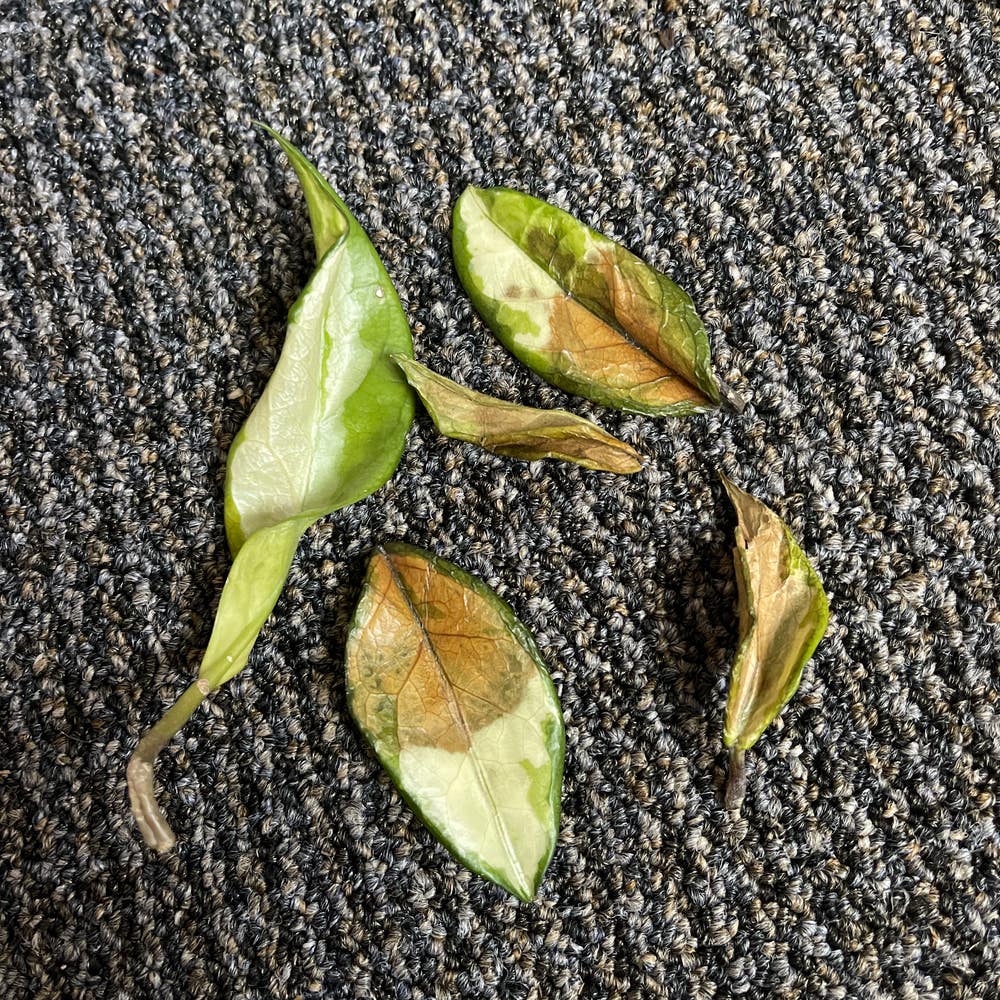
Fungal infections are a primary culprit behind black spots on your variegated wax plant. Common types include powdery mildew, which presents as white powdery spots, and leaf spot fungi, characterized by dark, irregular patches on leaves.
Fungi thrive in conditions of high humidity paired with poor air circulation. Overwatering and waterlogged soil further exacerbate the problem, creating a perfect breeding ground for these fungi.
🦠 Bacterial Infections
Bacterial infections can also lead to unsightly black spots. Symptoms often include water-soaked lesions that eventually darken, and these spots may emit a foul odor.
Excess moisture on leaves, particularly from overhead watering, promotes bacterial growth. Additionally, poor drainage in pots can create an environment ripe for these infections.
🐜 Pest Infestations
Pests like mealybugs and spider mites can wreak havoc on your plant. Mealybugs appear as white, cotton-like masses, while spider mites are tiny pests that cause stippling, leading to black spots.
Signs of pest damage include visible insects on leaves, webbing, yellowing leaves, and stunted growth. Keeping an eye out for these indicators is crucial for early intervention.
🌍 Environmental Stress
Environmental factors play a significant role in the health of your plant. Insufficient light can weaken growth, making the plant more susceptible to diseases, while excessive direct sunlight can cause leaf burn and black spots.
Humidity and temperature are also key. Ideal humidity levels range from 40-60%, and fluctuations in temperature can stress the plant, increasing its vulnerability to infections.
🚰 Overwatering and Poor Drainage
Overwatering is a common issue that leads to black spots. Symptoms include yellowing leaves and mushy stems, often signaling root rot.
Proper soil drainage is essential. Using well-draining soil mixes and selecting pots with adequate drainage holes can prevent water accumulation, safeguarding your plant's health.
Understanding these causes is the first step in addressing black spots on your variegated wax plant. Next, we’ll explore how to diagnose these issues effectively.
Diagnosing Black Spots
Identifying Symptoms 🌿
To effectively diagnose black spots on your variegated wax plant, start with a visual inspection. Look for any color changes or texture variations on the leaves.
Next, take note of the size and shape of the black spots. This information will be crucial for further analysis and treatment.
Differentiating Between Fungal and Bacterial Spots 🔍
Understanding the characteristics of the spots can help you identify the underlying issue. Fungal spots typically have irregular shapes and may feature a yellow halo around them.
In contrast, bacterial spots often appear water-soaked and have a more uniform shape. Recognizing these differences is key to determining the right treatment.
Assessing Environmental Factors 🌤️
Environmental conditions play a significant role in plant health. Start by evaluating the light exposure your plant receives; adjust it if necessary to ensure optimal growth.
Next, check the humidity levels and temperature consistency in your plant's environment. Monitoring these factors can prevent further issues.
Finally, keep an eye on your watering practices and soil moisture. Overwatering or underwatering can exacerbate black spot problems, so it's essential to find the right balance.
By carefully diagnosing the symptoms and environmental factors, you can take the first step toward restoring your variegated wax plant's health. This understanding will pave the way for effective treatment options.
Treatment Options
Organic Fungicides 🌱
To combat fungal infections effectively, consider using organic fungicides. Sulfur-based fungicides are particularly effective against powdery mildew, while copper fungicides offer broad-spectrum treatment for various fungi.
Neem Oil for Pests 🐞
Neem oil is a powerful ally against pests. For application, dilute 1-2 tablespoons of neem oil per gallon of water and spray every 7-14 days until pests are under control.
Adjusting Watering Practices 💧
Proper watering is crucial for plant health. Allow the top inch of soil to dry out between waterings and ensure you use pots with drainage holes to prevent water accumulation.
Improving Air Circulation 🌬️
Enhancing airflow around your plant can significantly reduce the risk of infections. Space your plants adequately to avoid overcrowding and consider using fans in indoor settings to promote air movement.
By implementing these treatment options, you can effectively address the black spots on your variegated wax plant. Next, let’s explore preventive measures to keep your plant healthy and thriving.
Preventive Measures
Proper Watering Techniques 💧
Maintaining a consistent watering schedule is crucial for your variegated wax plant. Aim to water every 1-2 weeks, adjusting based on environmental conditions.
Before watering, always check the soil moisture. This simple step can prevent overwatering, which is a common issue leading to black spots.
Soil Selection and Drainage 🪴
Choosing the right soil is essential for healthy growth. Opt for a well-draining potting mix that includes perlite or orchid bark to ensure excess water can escape.
Additionally, select pots with sufficient drainage holes. This helps prevent water accumulation, reducing the risk of root rot and black spots.
Ideal Humidity and Temperature Conditions 🌡️
Humidity plays a significant role in plant health. Aim to maintain humidity levels between 40-60%, using a humidifier or pebble trays to increase moisture when necessary.
Keep your plant in an optimal temperature range of 18°C to 27°C (65°F to 80°F). This balance helps your wax plant thrive and resist diseases.
Regular Inspection for Pests 🔍
Regular inspections are key to early detection of pests. Conduct weekly checks for any signs of pests or diseases on your plant.
Early intervention can save your plant from severe damage. Staying proactive ensures a healthier, more resilient variegated wax plant.
By implementing these preventive measures, you can significantly reduce the chances of encountering black spots on your plant. Next, let’s explore how to monitor recovery after treatment.
Post-Treatment Care
Monitoring Recovery 🌱
After treatment, keep an eye out for signs of recovery. Look for new growth emerging and existing black spots fading away.
Patience is key during this phase. Plants often take time to bounce back, so don’t rush the process.
Adjusting Care Routine 🔄
As your plant starts to recover, it’s essential to adjust your care routine. Modify your watering and feeding schedules based on how your plant responds to treatment.
Continue to monitor environmental conditions closely. Changes in light, humidity, or temperature can impact recovery.
Signs of Improvement or Further Issues 👀
Successful treatment will show indicators like healthy, vibrant leaves without new spots. This is a great sign that your plant is on the mend.
However, be vigilant for signs of recurring problems. Persistent black spots or new symptoms appearing may indicate that further intervention is needed.
With careful observation and adjustments, your variegated wax plant can thrive again.
⚠️ Safety First
This content is for general information and may contain errors, omissions, or outdated details. It is not medical, veterinary advice, or an endorsement of therapeutic claims.
Always consult a qualified healthcare professional before using any plant as food, medicine, or supplement.
Never eat any plant (or feed one to pets) without confirming its identity with at least two trusted sources.
If you suspect poisoning, call Poison Control (800) 222-1222, the Pet Poison Helpline (800) 213-6680, or your local emergency service immediately.
Spotted an error? Please report it here.
Transform your variegated wax plant into a spotless beauty 🌿 with Greg's personalized care tips and timely reminders to keep pests at bay!