❄️ How to Care for Your Variegated Wax Plant in Winter
Hoya carnosa 'Tricolor'
By the Greg Editorial Team
Oct 09, 2024•4 min read
This article was created with the help of AI so we can cover more plants for you. May contain errors. See one? Report it here.
Ensure your variegated wax plant flourishes this winter with essential care tips for thriving indoors! 🌱
- 💧 Water only when the top inch is dry to prevent root rot in winter.
- 🌬️ Maintain humidity levels between 40-60% for optimal variegated wax plant health.
- ❄️ Protect from frost by covering or moving indoors when temperatures drop below 50°F.
Winter Care Requirements
🌊 Adjusting watering schedules during winter
During winter, it's crucial to adjust your watering routine for your variegated wax plant. Water only when the top inch of soil feels dry to the touch, which helps prevent overwatering.
Overwatering can lead to root rot, especially during the plant's dormant phase. A good rule of thumb is to water every 2-4 weeks, depending on your home's humidity levels.
🥬 Fertilizing needs in winter months
Fertilization should be minimal during winter dormancy. If you choose to fertilize, use a diluted, balanced fertilizer sparingly.
Only fertilize if you notice signs of growth, as excess nitrogen can cause leggy growth. Keeping a nutrient balance is essential for your plant's health during these colder months.
💧 Importance of humidity levels indoors
Maintaining the right humidity is vital for your variegated wax plant's well-being. Aim for an indoor humidity range of 40-60% for optimal health.
To increase humidity, consider using a humidifier or placing pebble trays filled with water near your plant. Regularly monitoring humidity with a hygrometer can help you maintain the ideal environment for your wax plant.
With these winter care requirements in mind, your plant will thrive even in the colder months. Next, let’s explore how to protect your plant from frost.
Protection from Frost
🌡️ Identifying Frost-Sensitive Conditions
Frost sensitivity in your variegated wax plant can manifest through leaf discoloration and wilting. It's crucial to monitor temperatures, especially when they dip below 50°F (10°C), as this is when your plant needs extra protection.
🛡️ Methods for Frost Protection
To safeguard your plant outdoors, consider covering it with frost cloth or moving it indoors during particularly cold nights.
Indoors, keep your wax plant away from cold drafts and windows to maintain a stable environment.
Using heat mats can also provide additional warmth for potted plants, ensuring they stay cozy during winter's chill.
By taking these simple steps, you can help your variegated wax plant thrive even in frosty conditions.
As we transition to indoor winter care, let’s explore how to create the optimal environment for your plant.
Indoor Winter Care
Optimal Indoor Conditions for Variegated Wax Plant 🌡️
To keep your Variegated Wax Plant thriving indoors during winter, aim for a temperature range of 60°F to 75°F (15°C to 24°C). This cozy environment helps the plant maintain its health and vibrancy.
Placement is crucial; avoid direct heat sources like radiators. These can cause uneven temperatures and stress your plant.
Light Requirements During Winter Months 💡
Bright, indirect light is essential for your plant's growth. Position it near windows where it can soak up the light without being scorched.
Don't forget to rotate your plant occasionally. This ensures even light exposure, promoting balanced growth all around.
Monitoring for Pests and Diseases 🐛
Winter can bring unwelcome guests like mealybugs and spider mites. Keep an eye out for signs of infestation, such as sticky residue, webbing, or damaged leaves.
Regular inspections are key. Maintaining cleanliness around your plant can help prevent these pests from taking hold.
By ensuring optimal conditions and monitoring for issues, your Variegated Wax Plant can thrive even in the colder months. Next, let’s explore how to prepare for spring and recover from any winter damage.
Spring Preparation and Recovery
🌨️ Signs of Winter Damage to Look For
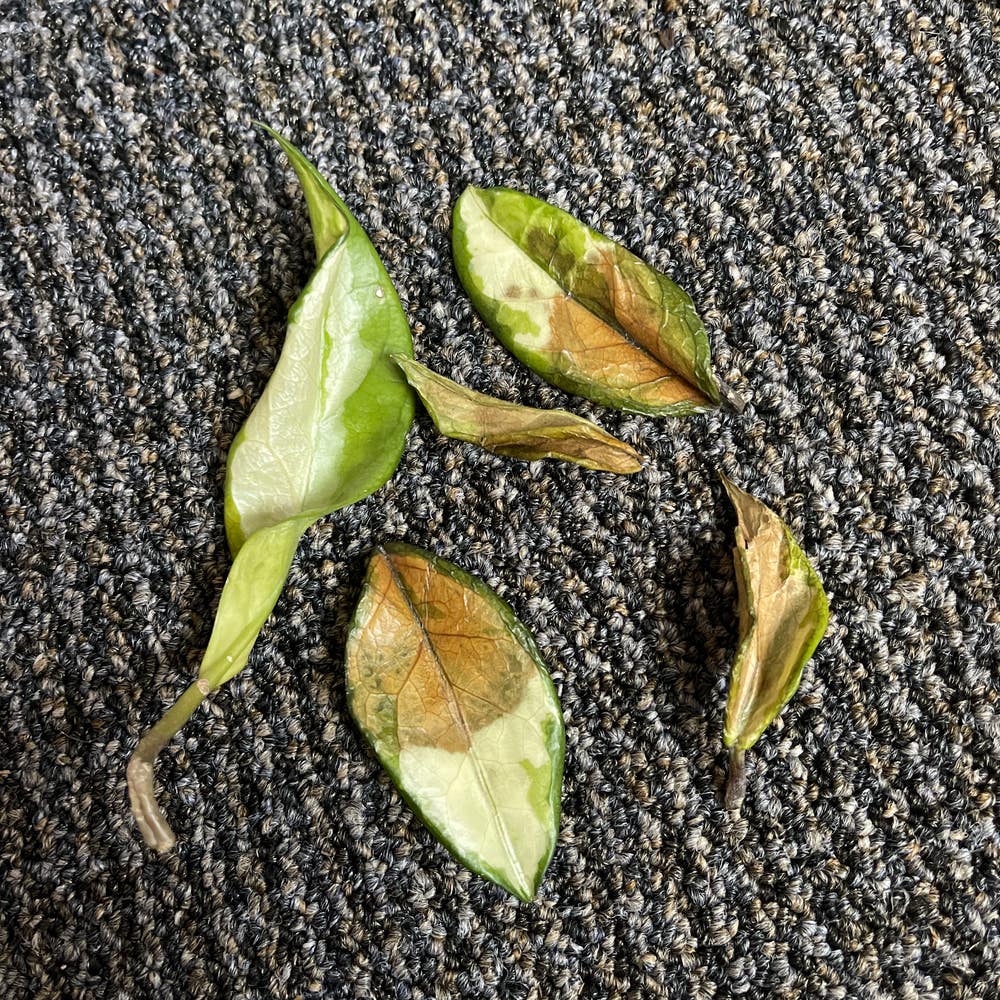
As winter fades, keep an eye out for signs of stress in your Variegated Wax Plant. Leaf drop or discoloration can indicate frost damage, while stunted growth suggests the plant struggled during the colder months.
🌱 Steps for Recovery and Rejuvenation in Spring
To help your plant bounce back, start by pruning any damaged leaves. This not only improves aesthetics but also encourages new growth.
Next, adjust your care routines gradually. Increase watering and fertilization slowly to avoid overwhelming your plant as it wakes up from dormancy.
🔄 Transitioning Back to Regular Care Routines
Watch for signs of active growth, like new leaves or stems emerging. These are clear indicators that your plant is ready to thrive again.
Re-establish normal watering and fertilizing schedules, but remember to make these adjustments gradually.
Finally, prepare for an outdoor transition by timing it right and acclimatizing your plant to its new environment. This will ensure a smooth shift into the warmer months ahead.
⚠️ Safety First
This content is for general information and may contain errors, omissions, or outdated details. It is not medical, veterinary advice, or an endorsement of therapeutic claims.
Always consult a qualified healthcare professional before using any plant as food, medicine, or supplement.
Never eat any plant (or feed one to pets) without confirming its identity with at least two trusted sources.
If you suspect poisoning, call Poison Control (800) 222-1222, the Pet Poison Helpline (800) 213-6680, or your local emergency service immediately.
Spotted an error? Please report it here.
Keep your variegated wax plant thriving this winter ❄️ by using Greg's tailored watering reminders and humidity tips to navigate the chilly months with confidence!