✂️ 8 Tips for Pruning Variegated Wax Plant
Hoya carnosa 'Tricolor'
By the Greg Editorial Team
Oct 09, 2024•3 min read
This article was created with the help of AI so we can cover more plants for you. May contain errors. See one? Report it here.
Transform your variegated wax plant 🌱 with expert pruning tips for vibrant growth and stunning beauty!
- 🌱 Prune in early spring for best recovery and growth of your wax plant.
- ✂️ Use sharp, clean shears to ensure precise cuts and promote healthy growth.
- 🌿 Regular pruning enhances beauty and health, supporting new growth and airflow.
Best Time to Prune
Optimal Timing 🌱
Pruning your variegated wax plant is best done in early spring, just before new growth kicks in. This timing allows the plant to recover quickly and thrive as it enters its active growth phase.
Avoid pruning during the summer when the plant is busy growing. Cutting back during this time can stress the plant and hinder its natural development.
Tools Needed for Pruning
Essential Tools 🛠️
To get started with pruning your variegated wax plant, you'll need a few essential tools. First and foremost, sharp, clean pruning shears are crucial for making precise cuts that promote healthy growth.
Next, having a disinfectant, like rubbing alcohol, on hand is vital. This helps prevent disease transmission between cuts, keeping your plant safe and thriving.
Don’t forget to wear gloves! They protect your hands from sap and any potential irritants that may come from the plant.
With the right tools in your arsenal, you're well on your way to giving your wax plant the care it deserves. Now, let’s dive into the step-by-step pruning instructions to ensure you achieve the best results.
Step-by-Step Pruning Instructions
Pruning your variegated wax plant can seem daunting, but with a few simple steps, you can keep it healthy and thriving. Let’s dive into the process!
🌱 Assess the Plant's Growth
Start by taking a good look at your plant. Identify areas that need attention, such as overgrown vines or unhealthy leaves.
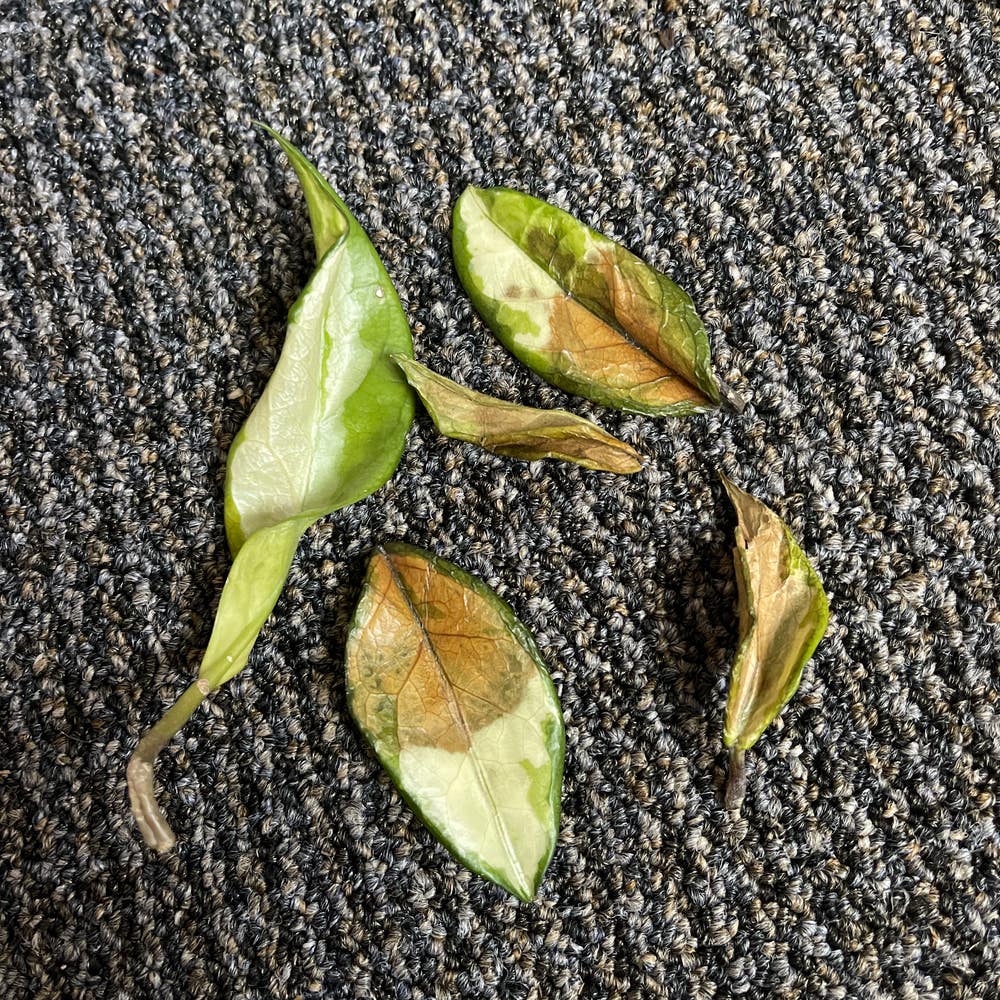
🍂 Remove Dead or Yellowing Leaves
Next, focus on the base of the plant. Remove any dead or yellowing leaves to promote better airflow and overall health.
✂️ Trim Leggy Stems
Leggy stems can make your plant look sparse. Trim these back to a healthy leaf node to encourage bushier growth and a fuller appearance.
🎨 Shape the Plant
Now it’s time to shape your plant. Selectively cut back longer vines to create a more balanced look. This not only enhances aesthetics but also helps the plant focus its energy on new growth.
🔪 Make Clean Cuts
When making cuts, ensure they are at a 45-degree angle. This technique promotes healing and minimizes the risk of disease.
By following these steps, you’ll not only enhance the beauty of your variegated wax plant but also support its health. Ready to tackle deadheading next? Let’s move on!
Common Mistakes to Avoid
Over-Pruning 🌿
One of the biggest pitfalls in pruning variegated wax plants is over-pruning. Removing too much foliage can stress the plant, leading to stunted growth or even death.
Incorrect Cutting Techniques ✂️
Another common mistake is using improper cutting techniques. Cuts that are too close to the stem or made at incorrect angles can hinder the plant's healing process and invite disease.
Ignoring Seasonal Changes 🍂
Failing to adjust your pruning techniques based on seasonal changes is a critical error. Each phase of the plant's growth cycle requires different approaches to ensure healthy development.
By being mindful of these mistakes, you can keep your variegated wax plant thriving and looking its best. Next, let’s explore the essential tools you’ll need for effective pruning.
⚠️ Safety First
This content is for general information and may contain errors, omissions, or outdated details. It is not medical, veterinary advice, or an endorsement of therapeutic claims.
Always consult a qualified healthcare professional before using any plant as food, medicine, or supplement.
Never eat any plant (or feed one to pets) without confirming its identity with at least two trusted sources.
If you suspect poisoning, call Poison Control (800) 222-1222, the Pet Poison Helpline (800) 213-6680, or your local emergency service immediately.
Spotted an error? Please report it here.
Prune your variegated wax plant like a pro ✂️ by using Greg's tailored care reminders to ensure healthy growth and stunning aesthetics!