How to Cure Brown Spots on Your Variegated Wax Plant 🩹
Hoya carnosa 'Tricolor'
By the Greg Editorial Team
Oct 09, 2024•6 min read
This article was created with the help of AI so we can cover more plants for you. May contain errors. See one? Report it here.
Revive your variegated wax plant by uncovering the secrets to diagnosing and treating brown spots! 🌱
- 🌱 Brown spots arise from overwatering, underwatering, pests, or nutrient deficiencies.
- 🦠 Fungal infections show dark spots; treat early with organic fungicides like neem oil.
- 💧 Proper watering and well-draining soil prevent brown spots and promote healthy growth.
Causes of Brown Spots
💧 Overwatering and Root Rot
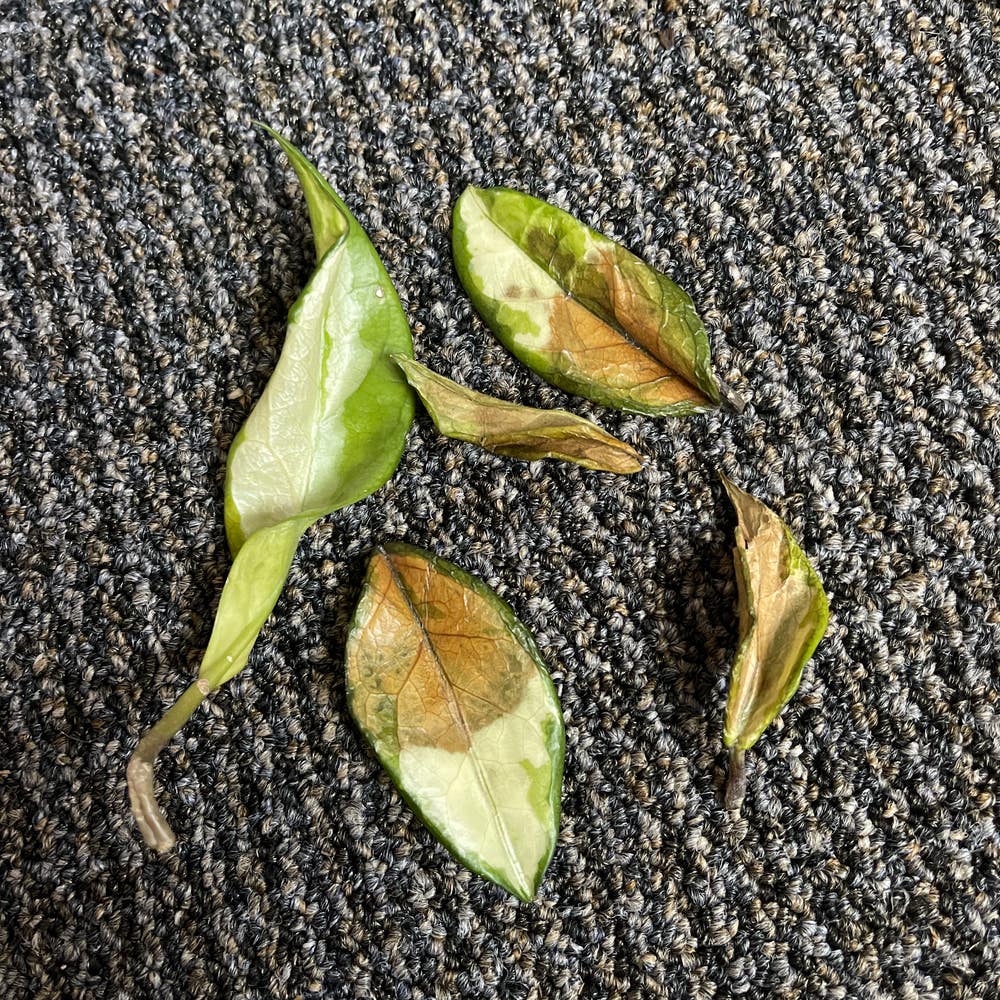
Overwatering is a common culprit behind brown spots on your variegated wax plant. Symptoms include yellowing leaves, mushy stems, and, of course, those pesky brown spots.
Root rot occurs when fungal infections thrive in waterlogged soil. This highlights the critical importance of soil drainage; well-draining soil is essential to prevent water accumulation.
🚰 Underwatering and Leaf Dehydration
On the flip side, underwatering can also lead to brown spots. Signs of underwatering include crispy leaf edges, drooping leaves, and those same brown spots.
Dehydration stresses the plant, leading to discoloration. To keep your plant happy, allow the top inch of soil to dry out between waterings.
🍄 Fungal Infections and Diseases
Fungal infections are another common cause of brown spots. Leaf spot diseases can manifest as dark brown or black spots, often accompanied by yellow halos.
Air circulation plays a vital role in preventing fungal growth. Keeping humidity levels in check around the leaves can help reduce the risk of these infections.
🐛 Pest Infestations
Pests like spider mites and mealybugs can cause significant leaf damage. Look for signs such as webbing, sticky residue, and, yes, brown spots.
Early detection is crucial. Regular inspections can help you catch these infestations before they escalate into a bigger problem.
🌱 Nutrient Deficiencies
Nutrient deficiencies, particularly nitrogen and magnesium, can lead to leaf discoloration. Symptoms include yellowing leaves with brown spots and stunted growth.
Balanced fertilization is key to maintaining nutrient levels. Regular feeding can help prevent these deficiencies and keep your plant thriving.
Understanding these causes is the first step toward effective treatment. Next, we’ll dive into how to diagnose brown spots accurately.
Diagnosing Brown Spots
🧪 Identifying Symptoms of Overwatering vs. Underwatering
Overwatering can lead to yellowing leaves, a mushy texture, and even root rot. In contrast, underwatering manifests as crispy edges, drooping leaves, and those pesky brown spots.
🦠 Recognizing Signs of Fungal Infections
Fungal infections often present as dark spots with yellow halos around them, accompanied by wilting leaves. Timely identification is crucial; catching these symptoms early can prevent further spread.
🐛 Assessing Pest Damage
Look for signs of pest infestations, such as webbing, sticky residue, and visible pests on the leaves. A magnifying glass can be your best friend here, helping you spot tiny culprits like spider mites.
🥦 Evaluating Nutrient Deficiency Indicators
Nitrogen deficiency typically shows up as yellowing leaves and stunted growth. Magnesium deficiency, on the other hand, can cause interveinal chlorosis along with brown spots, signaling a need for nutrient attention.
Understanding these symptoms is the first step in addressing brown spots on your variegated wax plant. Next, we’ll explore effective treatment options to restore your plant’s health.
Treatment Options
Adjusting Watering Practices 🌊
Watering your Variegated Wax Plant correctly is crucial. Aim to water when the top inch of soil is dry to the touch.
Proper drainage is equally important. Ensure your pots have drainage holes to prevent waterlogging, which can lead to root rot.
Improving Soil Drainage 🪴
The right soil mix can make a world of difference. Combine potting soil with perlite and orchid bark for optimal drainage.
Don't forget about repotting! Refreshing the soil every 1-2 years helps maintain drainage and keeps your plant healthy.
Applying Fungicides for Fungal Issues 🦠
If you suspect fungal issues, consider using organic fungicides like neem oil. Commercial options are also effective; just be sure to follow the label instructions for the best results.
Timely application is key. Treating fungal infections early can prevent them from spreading and causing more damage.
Treating Pests with Insecticidal Soap or Neem Oil 🐛
Pest control is essential for a thriving plant. Use insecticidal soap or neem oil, applying it every 7-14 days until the pests are gone.
Make sure to cover all leaf surfaces thoroughly. This ensures that every pest is targeted, maximizing your treatment's effectiveness.
Fertilizing to Address Nutrient Deficiencies 🌱
To keep your plant nourished, use a balanced NPK fertilizer every 4-6 weeks during the growing season. This helps prevent nutrient deficiencies that can lead to brown spots.
Always follow the instructions on the fertilizer package. Over-fertilization can cause more harm than good, so it's best to stick to the recommended amounts.
With these treatment options, your Variegated Wax Plant can bounce back from brown spots and thrive. Next, let’s explore preventive measures to keep your plant healthy in the long run.
Preventive Measures
Best Watering Practices 🌊
Watering your Variegated Wax Plant correctly is crucial. Aim to water deeply but infrequently, allowing the soil to dry out between sessions to encourage robust root growth.
Monitoring soil moisture is equally important. Consider using a moisture meter for accurate readings, ensuring you don't overwater or underwater your plant.
Choosing the Right Soil Mix 🌱
Selecting the right soil mix can make all the difference. A well-draining mix that includes organic matter and aeration components will keep your plant healthy and thriving.
Don't forget about repotting! Refreshing the soil every 1-2 years helps maintain optimal drainage and nutrient levels.
Regularly Inspecting for Pests 🔍
Regular inspections are key to early pest detection. Aim for weekly checks to catch any issues before they escalate.
Keep the area around your plant clean. A tidy space reduces the likelihood of pest attraction, helping your plant stay healthy.
Maintaining Optimal Humidity and Temperature 🌡️
Your Variegated Wax Plant thrives in specific humidity and temperature ranges. Aim for humidity levels between 40-60% for optimal growth.
As for temperature, keep it comfortable between 60°F to 80°F (15°C to 27°C). This range supports healthy development and prevents stress.
Fertilization Schedule to Prevent Deficiencies 🥦
A consistent fertilization schedule is essential. Fertilize every 4-6 weeks during the growing season to provide your plant with the nutrients it needs.
Balanced nutrients are vital. This practice helps prevent deficiencies that can lead to discoloration and stunted growth.
By implementing these preventive measures, you can set your Variegated Wax Plant up for success. Next, let’s explore how to monitor your plant's recovery after treatment.
Post-Treatment Care
Monitoring Plant Recovery 🌱
After treatment, keep an eye on your plant for signs of recovery. Look for new growth, improved leaf color, and a reduction in brown spots.
Adjusting Care Based on Plant Response 🔄
As your plant begins to bounce back, be ready to adjust your care routine. Modify watering and fertilization based on how your plant is responding to its environment.
Signs of Improvement to Look For 👀
Watch for indicators of health, such as new leaves and vibrant color. Continued monitoring is crucial to ensure your plant stays healthy and to prevent any recurrence of issues.
When to Seek Professional Help 🆘
If problems persist despite your best efforts, it might be time to consult a professional. Getting expert advice can provide the proper diagnosis and care your plant needs to thrive.
By staying attentive and flexible in your care approach, you can help your Variegated Wax Plant recover and flourish. Next, let’s explore preventive measures to keep your plant healthy in the long run.
⚠️ Safety First
This content is for general information and may contain errors, omissions, or outdated details. It is not medical, veterinary advice, or an endorsement of therapeutic claims.
Always consult a qualified healthcare professional before using any plant as food, medicine, or supplement.
Never eat any plant (or feed one to pets) without confirming its identity with at least two trusted sources.
If you suspect poisoning, call Poison Control (800) 222-1222, the Pet Poison Helpline (800) 213-6680, or your local emergency service immediately.
Spotted an error? Please report it here.
Transform your variegated wax plant's brown spots into vibrant leaves 🌱 by using Greg's tailored watering alerts and nutrient tracking to ensure it thrives beautifully!