🌸 Ultimate Guide to Fertilizing Your Variegated Wax Plant
Hoya carnosa 'Tricolor'
By the Greg Editorial Team
Oct 09, 2024•7 min read
This article was created with the help of AI so we can cover more plants for you. May contain errors. See one? Report it here.
Transform your variegated wax plant into a lush beauty with the right fertilizer and N-P-K ratios! 🌱✨
- 🌱 Choose the right fertilizer type—organic for soil health, synthetic for quick nutrients.
- 📅 Follow a seasonal fertilization schedule: spring/summer every 4-6 weeks, fall/winter every 8-12 weeks.
- ⚖️ Use recommended N-P-K ratios: 10-10-10 for growth, 5-10-10 for blooming.
Types of Fertilizers
🌱 Suitable Fertilizers
When it comes to fertilizing your variegated wax plant, choosing the right type of fertilizer is crucial. You can opt for either organic or synthetic fertilizers, each offering unique benefits.
Organic Fertilizers
Organic fertilizers are a fantastic choice for those looking to enhance soil health over time. They release nutrients slowly, which means your plant gets a steady supply without the risk of over-fertilization.
- Benefits: They improve soil structure and promote beneficial microbial activity.
- Examples: Consider using compost, worm castings, or fish emulsion for a natural boost.
Synthetic Fertilizers
On the other hand, synthetic fertilizers provide quick nutrient availability, making them ideal for immediate results. They come in precise formulations, allowing you to tailor your approach based on your plant's needs.
- Benefits: Fast-acting and easy to measure for accurate application.
- Examples: Balanced NPK fertilizers and liquid fertilizers are popular options.
Choosing between organic and synthetic fertilizers depends on your gardening philosophy and the specific needs of your variegated wax plant. Both types can yield excellent results when used correctly.
⚖️ Transitioning to Recommended N-P-K Ratios
Understanding the types of fertilizers sets the stage for selecting the right N-P-K ratios. Let’s explore how to optimize your plant's growth with the right nutrient balance.
Recommended N-P-K Ratios
Optimal Growth Ratios 🌱
When it comes to fertilizing your variegated wax plant, understanding N-P-K ratios is crucial. The ideal ratios for general growth are 10-10-10 or 20-20-20, providing a balanced mix of nitrogen, phosphorus, and potassium.
Blooming Ratios 🌸
If you're aiming to encourage flowering, consider using a blooming ratio of 5-10-10. This specific formulation boosts phosphorus, which is essential for flower development.
Importance of Balanced Nutrients ⚖️
Balanced nutrients are vital for overall plant health. They ensure your wax plant thrives, promoting lush foliage and vibrant blooms while preventing nutrient deficiencies or excesses.
With the right N-P-K ratios in place, your variegated wax plant will flourish beautifully. Next, let’s dive into the best fertilizing schedule to keep your plant thriving throughout the seasons.
Fertilizing Schedule
🌱 Seasonal Fertilization
Fertilizing your variegated wax plant requires a seasonal approach.
- Spring: As growth resumes, it's time to start fertilizing.
- Summer: Maintain regular fertilization during this peak growth period.
- Fall: Gradually reduce fertilization as growth slows down.
- Winter: Minimal to no fertilization is needed during dormancy.
⏰ Frequency of Fertilization
The frequency of fertilization varies based on the plant's growth stage.
- Active Growth (Spring/Summer): Fertilize every 4-6 weeks to support robust growth.
- Dormancy (Fall/Winter): Fertilize every 8-12 weeks or as needed, since the plant's nutrient needs decrease.
🔄 Adjusting Fertilization
Adjusting your fertilization strategy is crucial for optimal growth.
- Young Plants: Use a lower concentration and apply more frequently to encourage healthy development.
- Mature Plants: Stick to standard concentrations but adjust based on how the plant responds to fertilization.
By following this fertilizing schedule, you can ensure your variegated wax plant thrives throughout the year. Next, let’s dive into the specifics of how to fertilize effectively.
How to Fertilize
Step-by-Step Guide 🌱
Choose the Right Fertilizer Type
Decide between organic or synthetic fertilizers. Organic options, like compost, enrich soil health, while synthetic fertilizers offer quick nutrient availability.Determine the Appropriate N-P-K Ratio
Assess the growth stage of your variegated wax plant. For general growth, aim for a balanced ratio like 10-10-10.Measure the Correct Amount
Follow the package instructions for dosage. Accurate measurement ensures your plant receives the right nutrients without overdoing it.Dilute Liquid Fertilizers
If using liquid fertilizers, dilute them properly—typically at a ratio of 1:4. This prevents root burn and ensures even nutrient distribution.Apply Evenly Around the Base
Pour the fertilizer around the base of the plant, steering clear of direct contact with the leaves. This method promotes healthy nutrient uptake.
Best Practices 🌟
Use a Watering Can for Liquid Fertilizers
This tool helps you control the flow and ensures even application. A steady hand goes a long way in preventing over-fertilization.Ensure Even Distribution
Spread the fertilizer uniformly to avoid localized over-fertilization. Uneven application can lead to nutrient imbalances.
Tips for Avoiding Issues 🚫
Always Dilute Fertilizers as Per Instructions
Skipping this step can lead to serious plant stress. Always err on the side of caution.Monitor Plant Response
Keep an eye on how your plant reacts post-fertilization. Adjust frequency and concentration based on its needs.Avoid Fertilizing Dry Soil
Water your plant before applying fertilizer. Fertilizing dry soil can harm the roots and hinder nutrient absorption.
With these steps, you’ll be well-equipped to nourish your variegated wax plant effectively. Next, let’s explore the signs of over-fertilization and how to address them.
Signs of Over-Fertilization
Identifying Symptoms 🌱
Over-fertilization can sneak up on you, manifesting in several telltale signs.
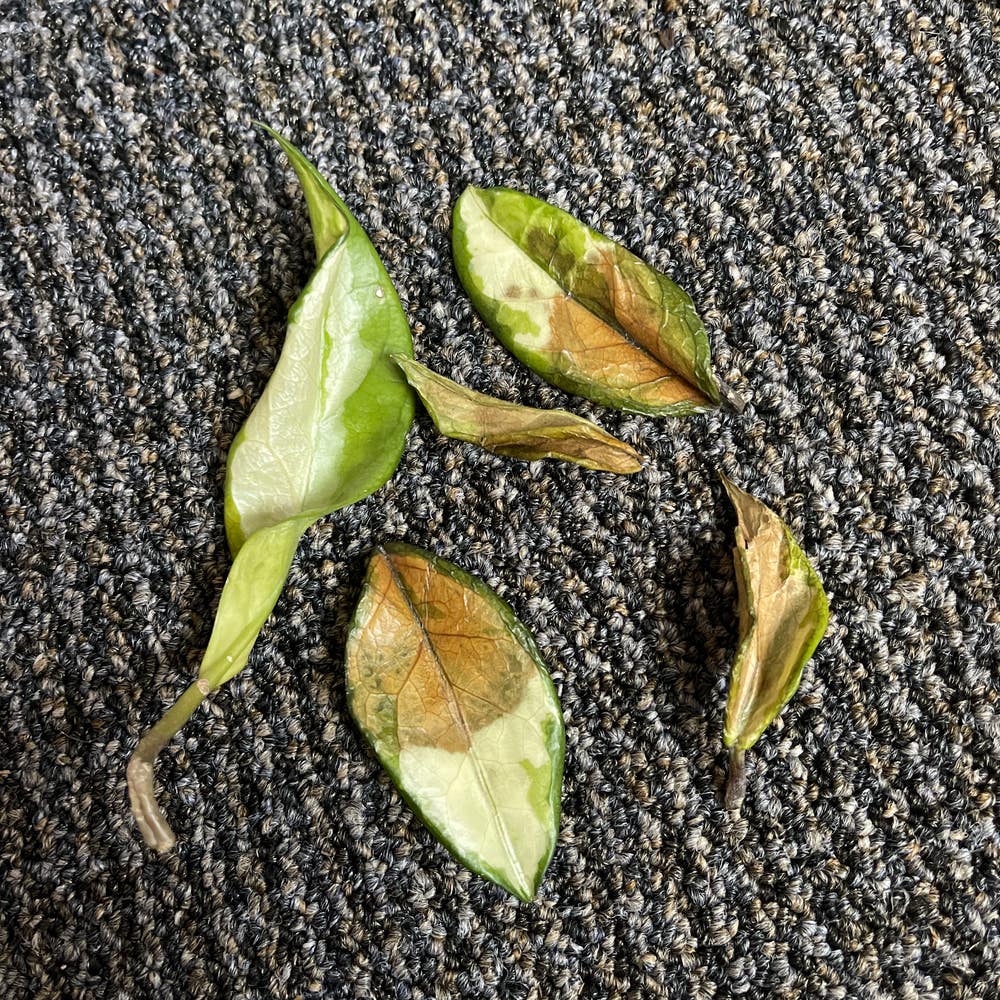
Leaf Burn: Look for brown tips and edges on leaves; this is often the first indicator that your plant is overwhelmed by nutrients.
Yellowing Leaves: If your plant's leaves start turning yellow, it may signal a nutrient imbalance, suggesting it's time to reassess your fertilization strategy.
Stunted Growth: A lack of vigor, even with regular fertilization, can indicate that your plant is struggling under the weight of excess nutrients.
Remedies 🛠️
If you suspect over-fertilization, there are steps you can take to help your plant recover.
Flush the Soil: Water the plant thoroughly to wash away excess nutrients. This helps reset the soil's nutrient levels.
Reduce Fertilization Frequency: Scale back on how often you fertilize and lower the concentration of nutrients. Your plant will appreciate the break.
Importance of Flushing 🚿
Flushing the soil is crucial for maintaining a healthy environment for your plant.
Prevents Nutrient Buildup: Regular flushing helps avoid the accumulation of salts and nutrients that can harm your plant.
Restores Soil pH and Nutrient Balance: By flushing, you help bring the soil back to a balanced state, ensuring your plant can absorb nutrients effectively.
Recognizing the signs of over-fertilization and knowing how to remedy them can make all the difference in keeping your variegated wax plant thriving. Next, let’s explore common fertilizing mistakes to avoid for optimal plant health.
Common Fertilizing Mistakes
🌱 Misunderstanding Nutrient Needs
Many plant owners overestimate how much fertilizer their variegated wax plant actually needs. This can lead to nutrient burn, where the plant suffers from excess nutrients rather than thriving.
Ignoring signs of nutrient deficiency or excess is another common pitfall. Yellowing leaves or stunted growth can signal that your plant is not getting the right balance of nutrients.
⏰ Timing Errors
Fertilizing during dormancy is a mistake that can hinder your plant's growth. It's crucial to recognize the plant's growth cycles and adjust your fertilization schedule accordingly.
Inconsistent application schedules can also throw your plant off balance. Regularity is key; plants thrive on routine just like we do.
🧪 Using the Wrong Fertilizer
Choosing fertilizers not suited for your variegated wax plant can lead to poor results. Always check that the fertilizer matches your plant's specific needs.
Misapplying ratios can create nutrient imbalances that affect overall health. Stick to recommended N-P-K ratios to ensure your plant gets the nutrients it craves.
Understanding these common mistakes can significantly enhance your fertilizing strategy. With a little attention and care, your variegated wax plant will flourish beautifully.
⚠️ Safety First
This content is for general information and may contain errors, omissions, or outdated details. It is not medical, veterinary advice, or an endorsement of therapeutic claims.
Always consult a qualified healthcare professional before using any plant as food, medicine, or supplement.
Never eat any plant (or feed one to pets) without confirming its identity with at least two trusted sources.
If you suspect poisoning, call Poison Control (800) 222-1222, the Pet Poison Helpline (800) 213-6680, or your local emergency service immediately.
Spotted an error? Please report it here.
Boost your variegated wax plant's health with smart fertilization tips 🌿 and let Greg guide you with tailored reminders for optimal growth and nutrient balance!