🌸 5 Indoor Variegated Wax Plant Care Hacks
Hoya carnosa 'Tricolor'
By the Greg Editorial Team
Oct 09, 2024•6 min read
This article was created with the help of AI so we can cover more plants for you. May contain errors. See one? Report it here.
Elevate your variegated wax plant's beauty with essential care tips for thriving growth! 🌱
- 🌞 Variegated wax plants need 6-8 hours of bright, indirect sunlight for vibrant colors.
- 💧 Water when top 1-2 inches of soil are dry to prevent root rot.
- 🌿 Humidity levels of 40-60% mimic natural habitat, promoting healthy growth.
Light Requirements
Optimal Indoor Light Levels 🌞
For your variegated wax plant to thrive, it needs bright, indirect sunlight for about 6-8 hours each day. Insufficient light can lead to a loss of variegation and leggy growth, which is far from ideal.
Role of Grow Lights 💡
If your home doesn’t get enough natural light, especially during winter months, consider using grow lights. They provide consistent light levels, ensuring your plant remains healthy and vibrant.
Choosing the Best Grow Light 🛠️
When selecting grow lights, you have options like LED and fluorescent. Full-spectrum lights with a color temperature between 5000K and 6500K are recommended for optimal growth.
Placement Tips
Position your grow light 12-24 inches above the plant. This distance ensures your wax plant receives adequate coverage without being overwhelmed by intensity.
With the right light conditions established, your wax plant will be on its way to thriving. Next, let’s dive into its watering needs to keep it hydrated and happy.
Watering Needs
Frequency and Method 🌊
Watering your variegated wax plant is all about balance. Allow the top 1-2 inches of soil to dry out between waterings to prevent root rot.
When you do water, make sure to do it thoroughly. Water until it drains from the bottom of the pot, ensuring the roots get the moisture they need.
Signs of Overwatering and Underwatering 🚨
Understanding how your plant communicates is key to its health. Overwatering can lead to yellowing leaves, mushy stems, and even root rot.
On the flip side, underwatering shows up as wilting leaves, dry soil, and crispy edges. Keep an eye out for these signs to maintain a happy, thriving plant.
With proper watering habits, your wax plant will flourish, setting the stage for the next essential care aspect: humidity and temperature.
Humidity and Temperature
Ideal Humidity Levels 🌧️
For your variegated wax plant to thrive, aim for humidity levels between 40-60%. This range mimics its natural habitat and promotes vibrant growth.
To boost humidity, consider using a humidifier or placing pebble trays filled with water near the plant. These methods create a microenvironment that keeps your plant happy and healthy.
Temperature Range for Optimal Growth 🌡️
The ideal temperature for your wax plant is between 18°C to 29°C (65°F to 85°F). Staying within this range helps ensure robust growth and vibrant foliage.
Be cautious of temperature extremes. Avoid placing your plant near drafts or heat sources, as sudden changes can stress it out and hinder its development.
Maintaining the right humidity and temperature is crucial for your plant's health. With these tips, you can create a nurturing environment that encourages lush growth and stunning variegation. Next, let’s explore the best soil and fertilization practices to keep your wax plant thriving.
Soil and Fertilization
Best Soil Type 🌱
For your variegated wax plant, a well-draining potting mix is essential. Look for blends that include perlite or orchid bark to ensure proper drainage.
Good drainage is crucial as it prevents root rot and promotes healthy growth. Without it, your plant may struggle to thrive.
Fertilization Schedule and Types 🌿
Fertilize your wax plant every 4-6 weeks during the growing season, which spans spring and summer. This regular feeding helps support robust growth.
Opt for a balanced liquid fertilizer with an NPK ratio of 10-10-10, or consider a specialized orchid fertilizer. Both options will provide the nutrients your plant craves.
By following these soil and fertilization tips, you'll set your variegated wax plant up for success. Next, let’s explore how to tackle common issues and solutions to keep your plant healthy and vibrant.
Common Issues and Solutions
🐛 Pests and Diseases
Common Pests
Indoor variegated wax plants can attract a few unwelcome guests.
- Mealybugs: Look for white, cotton-like masses on leaves; they can sap your plant's vitality.
- Spider mites: These tiny pests leave fine webbing and cause stippled leaves, indicating they’re at work.
🚫 Pest Prevention Strategies
Preventing pests is easier than dealing with an infestation.
- Regular inspections: Check your plants weekly for any signs of pests; early detection is key.
- Maintaining plant health: Proper watering and fertilization help boost resilience, making your plant less appealing to pests.
🧪 Treatment Options for Infestations
If pests do invade, act quickly to minimize damage.
- Organic solutions: Neem oil or insecticidal soap can effectively eliminate pests without harsh chemicals.
- Mechanical removal: Wipe leaves with a damp cloth to physically remove pests and debris.
🌪️ Environmental Stress
Signs of Stress
Your plant can show signs of stress when conditions aren’t ideal.
- Leaf curling or browning: This often indicates low humidity or temperature stress.
- Stunted growth: A lack of vigor can signal unfavorable conditions that need addressing.
🛠️ Solutions for Maintaining Ideal Conditions
Creating a comfortable environment is crucial for your plant's health.
- Adjusting placement: Move your plant to a more suitable location with adequate light and humidity.
- Using humidity trays or misting: Increase moisture levels around the plant to combat dryness.
By staying vigilant and proactive, you can keep your indoor variegated wax plant thriving. Next, let’s explore the best practices for placement and maintenance to ensure your plant looks its best.
Placement and Maintenance
🌅 Best Locations in the Home
For your variegated wax plant, positioning is key. Place it near east or west-facing windows to ensure it receives optimal light exposure.
Avoid spots with cold drafts or direct heat sources. This will help maintain a stable temperature and promote healthy growth.
✂️ Tips for Maintaining Appearance
Pruning and Grooming Techniques
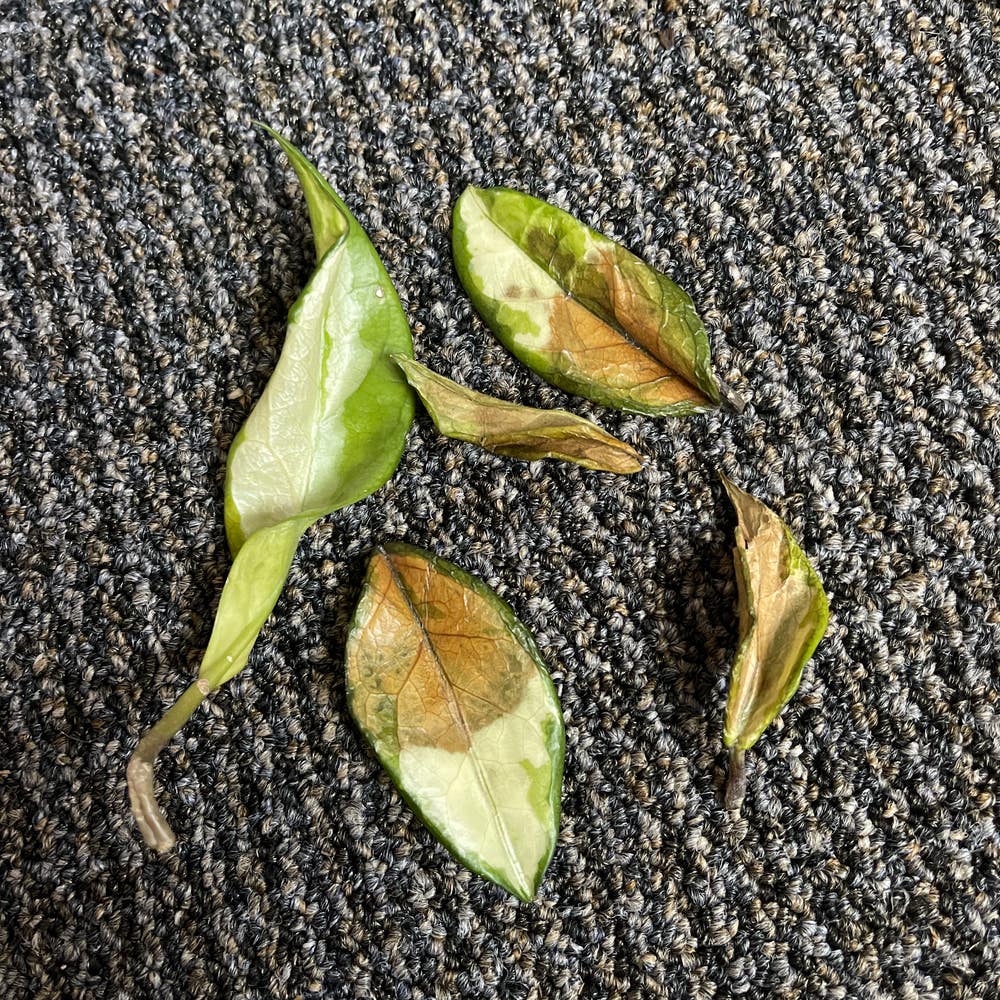
Regular pruning is essential. Remove any dead or yellowing leaves to encourage new growth and keep your plant looking vibrant.
Grooming is just as important. Wipe the leaves with a damp cloth to eliminate dust, enhancing photosynthesis and overall health.
🌱 Managing Growth Patterns
Training your plant can make a big difference. Use trellises or stakes to support the vines as they grow.
To encourage bushiness, pinch back the growing tips. This simple technique promotes lateral growth, giving your plant a fuller appearance.
By following these placement and maintenance tips, you’ll ensure your variegated wax plant thrives beautifully in your home. Next, let’s explore how to tackle common issues that might arise in your plant care journey.
⚠️ Safety First
This content is for general information and may contain errors, omissions, or outdated details. It is not medical, veterinary advice, or an endorsement of therapeutic claims.
Always consult a qualified healthcare professional before using any plant as food, medicine, or supplement.
Never eat any plant (or feed one to pets) without confirming its identity with at least two trusted sources.
If you suspect poisoning, call Poison Control (800) 222-1222, the Pet Poison Helpline (800) 213-6680, or your local emergency service immediately.
Spotted an error? Please report it here.
Keep your variegated wax plant thriving 🌿 with Greg's tailored watering alerts and light tips, ensuring it stays vibrant and healthy in your home!