Managing Leaf Drop on Your Variegated Wax Plant 💧
Hoya carnosa 'Tricolor'
By the Greg Editorial Team
Oct 09, 2024•5 min read
This article was created with the help of AI so we can cover more plants for you. May contain errors. See one? Report it here.
Stop leaf drop in your variegated wax plant 🌱 with these essential care tips for vibrant, healthy growth!
- 🌱 Leaf drop often results from environmental stress, like nutrient deficiencies and watering issues.
- 💧 Overwatering and underwatering both lead to leaf shedding; balance is key!
- 🌞 Optimal light and humidity are crucial for variegated wax plant health and growth.
Common Causes of Leaf Drop
🌪️ Environmental Stress Factors
Leaf drop in your variegated wax plant can often be traced back to environmental stress. Two primary culprits are nutrient deficiencies and improper watering practices.
🍽️ Nutrient Deficiencies
Plants need a balanced diet to thrive. If your wax plant lacks essential nutrients, it may start shedding leaves as a survival mechanism.
🚰 Improper Watering Practices
Watering can be a double-edged sword. Both overwatering and underwatering can lead to stress, causing your plant to drop leaves.
💧 Overwatering
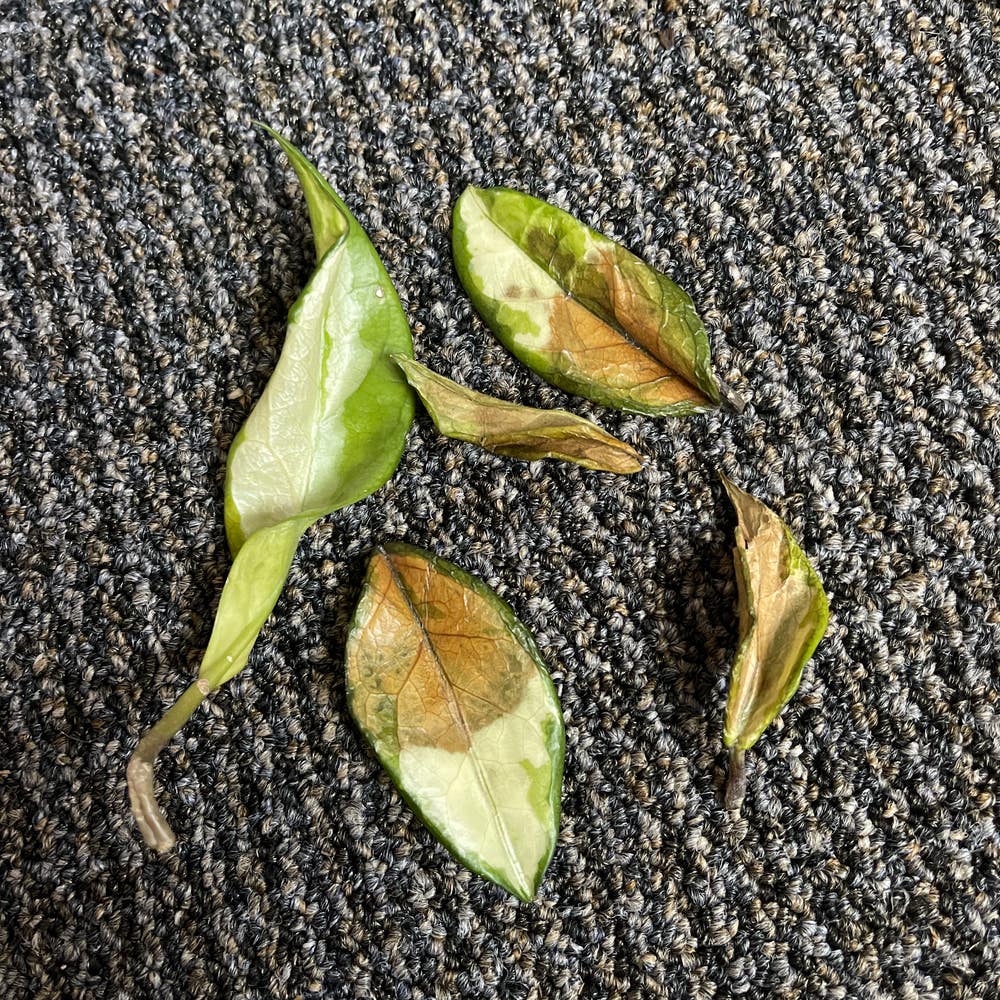
Too much water can suffocate roots, leading to root rot. This condition often manifests as yellowing leaves and soft, mushy stems.
🏜️ Underwatering
On the flip side, underwatering can cause crispy, dry leaves and even lead to leaf drop. If you notice soil pulling away from the pot edges, your plant is likely thirsty.
📚 Conclusion
Understanding these environmental stress factors is crucial for maintaining a healthy wax plant. With this knowledge, you can take proactive steps to prevent leaf drop and ensure your plant thrives.
Diagnosing Leaf Drop Issues
💧 Overwatering: Symptoms and Solutions
Overwatering is a common issue for variegated wax plants. Key symptoms include yellowing leaves, soft, mushy stems, and signs of root rot, such as blackened roots.
To remedy overwatering, start by adjusting your watering frequency. Ensure the soil has good drainage, and consider repotting if the problem persists.
🚰 Underwatering: Symptoms and Solutions
Underwatering can also lead to leaf drop. Look for crispy, dry leaves, leaf drop itself, and soil pulling away from the pot edges as indicators.
To combat underwatering, establish a consistent watering schedule. Regularly check soil moisture levels and rehydrate the plant gradually to avoid shock.
🌡️ Environmental Stress: Light and Temperature
Light and temperature play crucial roles in your plant's health. Variegated wax plants thrive in bright, indirect sunlight; inadequate light can cause leggy growth and leaf drop.
Temperature stress is another factor to consider. Maintain an optimal range of 60°F to 80°F (15°C to 27°C) to prevent symptoms like leaf drop and browning edges.
🐛 Pest Infestations: Identification and Treatment
Pests can wreak havoc on your wax plant. Common culprits include mealybugs, which appear as white, cotton-like masses, and spider mites, identifiable by fine webbing and stippled leaves.
For treatment, use neem oil or insecticidal soap. Regularly inspect and clean the leaves to keep pests at bay.
Understanding these factors will help you diagnose and address leaf drop effectively. Next, let’s explore how to prevent leaf drop in the first place.
Preventing Leaf Drop
Ideal Care Conditions 🌿
Maintaining the right humidity is crucial for your variegated wax plant. Aim for 40-60% relative humidity to keep your plant thriving.
Stable indoor temperatures also play a significant role. Keeping your plant in a consistent environment helps prevent stress and leaf drop.
Proper Watering Techniques 💧
Watering frequency is key. Allow the top inch of soil to dry out between waterings to avoid overwatering.
Look for signs of proper watering, such as healthy, firm leaves. If your plant feels soft or droopy, it might be time to adjust your routine.
Choosing the Right Soil and Pot 🪴
Selecting the right soil is essential for drainage. A well-draining potting mix, like cactus mix or one with perlite, works wonders.
Don't forget about pot selection! Choose pots with drainage holes to prevent waterlogging, which can lead to root rot and leaf drop.
By implementing these preventive measures, you can create an ideal environment for your variegated wax plant. This sets the stage for healthy growth and minimizes the risk of leaf drop.
Next, let’s explore recovery strategies for plants that have already experienced leaf drop.
Recovery Strategies for Affected Plants
🪴 Steps to Take When Leaf Drop Occurs
When you notice leaf drop on your variegated wax plant, the first step is to assess the environmental conditions. Check the light, temperature, and humidity levels to ensure they align with the plant's needs.
Next, check the soil moisture levels. Overly dry or soggy soil can both lead to stress, so finding that sweet spot is crucial.
🌱 How to Encourage New Growth
To promote new growth, start by pruning any dead or damaged leaves. This not only improves the plant's appearance but also encourages healthier growth.
Additionally, fertilize with a balanced houseplant fertilizer during the growing season. This gives your plant the nutrients it needs to bounce back.
🌿 When to Repot or Change Soil
If your plant is root-bound or drainage seems poor, it might be time to repot. Signs like roots growing out of the pot or water pooling on the surface indicate that a change is necessary.
The best time to repot is in spring or early summer. This timing allows your plant to acclimate and thrive in its new environment.
By following these recovery strategies, you can help your variegated wax plant regain its vigor and beauty. Next, let’s explore seasonal considerations to keep your plant thriving year-round.
Seasonal Considerations
Adjusting Care Routines Throughout the Year 🌱
Caring for your variegated wax plant requires a seasonal approach. As the weather changes, so do the needs of your plant.
Increasing Humidity in Winter Months
During winter, indoor air can become quite dry. To combat this, aim for a humidity level of 40-60%.
- Use a humidifier: This can help maintain the right moisture levels.
- Group plants together: This creates a microclimate that retains humidity.
Modifying Watering Frequency Based on Seasonal Growth Patterns
Your plant's watering needs will fluctuate with the seasons. In the growing season, typically spring and summer, your wax plant will require more frequent watering.
- Check soil moisture: Always ensure the top inch of soil is dry before watering.
- Reduce watering in fall and winter: As growth slows, cut back on watering to prevent root rot.
By adjusting these care routines, you can help your variegated wax plant thrive year-round. This proactive approach sets the stage for a healthy, vibrant plant as seasons change.
Next, we’ll explore recovery strategies for affected plants, ensuring you’re prepared to tackle any leaf drop issues that arise.
⚠️ Safety First
This content is for general information and may contain errors, omissions, or outdated details. It is not medical, veterinary advice, or an endorsement of therapeutic claims.
Always consult a qualified healthcare professional before using any plant as food, medicine, or supplement.
Never eat any plant (or feed one to pets) without confirming its identity with at least two trusted sources.
If you suspect poisoning, call Poison Control (800) 222-1222, the Pet Poison Helpline (800) 213-6680, or your local emergency service immediately.
Spotted an error? Please report it here.
Keep your variegated wax plant lush and vibrant 🌱 by using Greg for tailored watering reminders and nutrient tips that ensure it thrives without leaf drop!