How to Fix Droopy Leaves on Your Variegated Wax Plant 😢
Hoya carnosa 'Tricolor'
By the Greg Editorial Team
Oct 09, 2024•4 min read
This article was created with the help of AI so we can cover more plants for you. May contain errors. See one? Report it here.
Transform your droopy variegated wax plant into a thriving beauty 🌿 with these essential care tips for vibrant growth!
- 💧 Overwatering and underwatering both cause droopy leaves; adjust watering accordingly.
- 🌞 Bright, indirect light is essential; insufficient light weakens your variegated wax plant.
- 🌬️ Maintain humidity levels (40-60%) to prevent droopiness and promote plant health.
Causes of Droopy Leaves
💧 Overwatering: Signs and Solutions
Overwatering is a common issue for variegated wax plants. Recognizing the symptoms early can save your plant from serious damage.
Symptoms of Overwatering
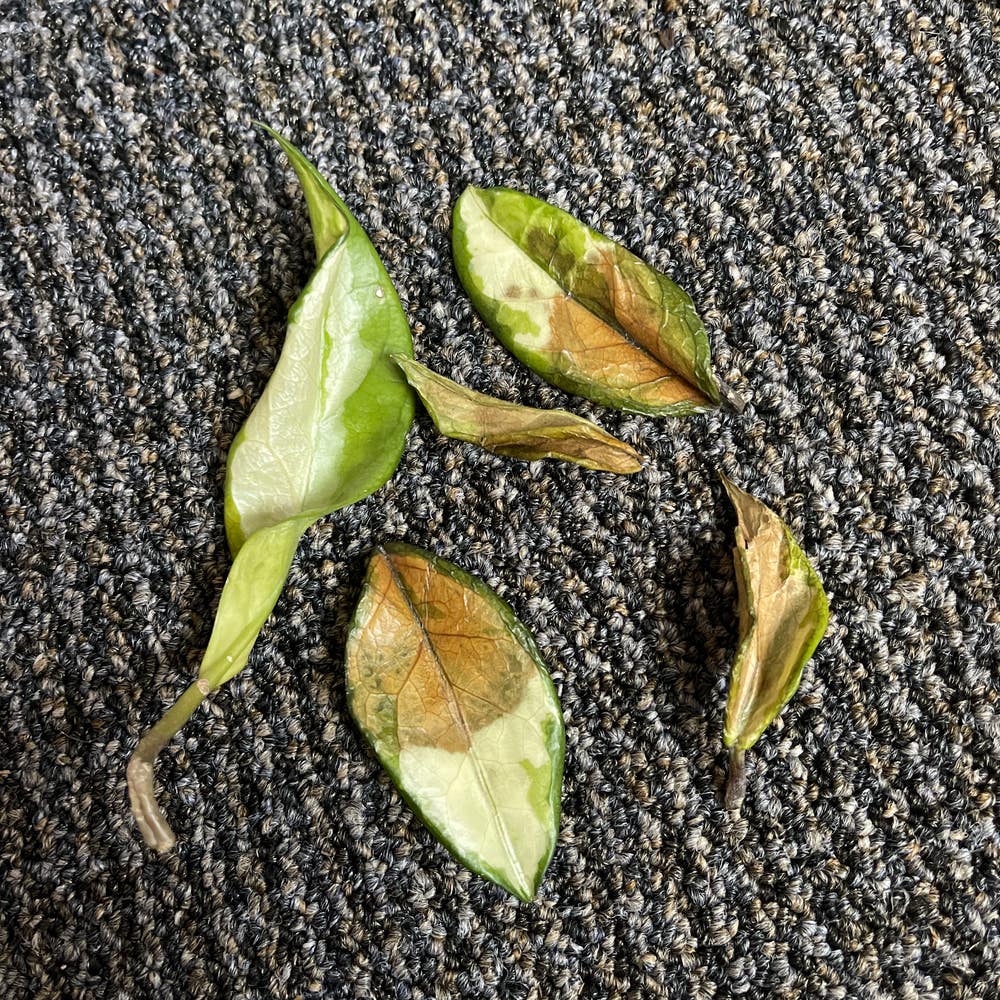
- Yellowing leaves: Before drooping, leaves may turn yellow, signaling distress.
- Soft, mushy leaves: A change in texture indicates excess moisture.
- Root rot: Inspecting the roots might reveal dark, mushy areas.
Solutions
- Allow soil to dry out: Wait until the top 1-2 inches of soil are dry before watering again.
- Improve drainage: Use pots with drainage holes and well-draining soil to prevent water accumulation.
- Repot if necessary: If root rot is present, transfer your plant to fresh soil to encourage recovery.
💦 Underwatering: Identifying and Fixing
Underwatering can be just as detrimental as overwatering. Identifying the signs early can help restore your plant's health.
Symptoms of Underwatering
- Crispy, dry leaves: Edges may turn brown and crispy, indicating a lack of moisture.
- Leaf droop: Leaves lose turgor pressure and droop, signaling dehydration.
Solutions
- Water thoroughly: Ensure water reaches the root zone and allow excess to drain out.
- Establish a watering schedule: Check soil moisture weekly, adjusting based on the season to maintain optimal hydration.
🌫️ Humidity Levels: Importance and Adjustment
Humidity plays a crucial role in the health of your variegated wax plant. Understanding its needs can lead to vibrant growth.
Ideal Humidity Requirements
- Optimal range: Aim for 40-60% humidity for healthy growth and vibrant leaves.
Adjusting Humidity
- Use a humidifier: This helps maintain consistent humidity levels in your space.
- Group plants: Cluster your wax plant with others to create a microenvironment that retains moisture.
- Pebble trays: Place pots on trays filled with water and pebbles to naturally increase humidity around the plant.
💡 Light Conditions: Optimal vs. Poor Lighting
Light conditions significantly affect the health of your variegated wax plant. Understanding its light needs can prevent droopy leaves.
Optimal Light Conditions
- Bright, indirect light: This is best for healthy growth and maintaining vibrant variegation.
Poor Lighting Effects
- Leaf droop: Insufficient light can lead to weak, droopy leaves that lack vitality.
Solutions
- Relocate plant: Move your plant to a brighter location or consider using grow lights to enhance light exposure.
🌡️ Temperature Stress: Effects on Leaf Health
Temperature fluctuations can stress your variegated wax plant. Keeping it within the ideal range is essential for its well-being.
Temperature Preferences
- Ideal range: Maintain temperatures between 60°F to 80°F (15°C to 27°C) for optimal growth.
Signs of Temperature Stress
- Leaf droop: Sudden temperature changes can cause stress, leading to droopy leaves.
- Leaf drop: Leaves may fall off if temperatures are too low or high.
Solutions
- Maintain stable temperatures: Avoid drafts and sudden temperature fluctuations to keep your plant comfortable.
Understanding these causes and solutions will help you nurture your variegated wax plant back to health. Next, let’s explore step-by-step solutions to revive your plant, whether it’s overwatered or underwatered.
Step-by-Step Solutions
🌊 How to Revive Overwatered Wax Plant
Remove from pot: Gently take the plant out to inspect the roots. This step is crucial to assess the extent of the damage.
Trim affected roots: Cut away any mushy or blackened roots. Healthy roots should feel firm and look white.
Repot in fresh soil: Use well-draining soil and a pot with drainage holes. This will help prevent future overwatering issues.
Adjust watering schedule: Allow the soil to dry out before watering again. Check the top 1-2 inches of soil for dryness.
💧 How to Revive Underwatered Wax Plant
Water thoroughly: Soak the soil until water drains from the bottom. This ensures that moisture reaches the root zone.
Monitor closely: Check soil moisture regularly for the next few weeks. This will help you gauge how quickly the plant absorbs water.
Adjust watering frequency: Establish a consistent schedule. Aim to water when the top layer of soil feels dry.
🌫️ Adjusting Humidity: Methods and Tools
Use a humidifier: Set it to maintain 40-60% humidity. This is ideal for your wax plant's health.
Create pebble trays: Fill trays with water and pebbles, placing pots on top. This method increases humidity around the plant.
Group plants: Cluster with other humidity-loving plants. This creates a microenvironment that benefits all your plants.
☀️ Correcting Light Exposure: Moving Your Plant
Assess current light conditions: Determine if the plant is receiving enough light. Look for signs like leaf droop or fading color.
Relocate plant: Move it to a brighter area or adjust the angle of existing light sources. Bright, indirect light is best for variegated wax plants.
Monitor for changes: Observe the plant for signs of improvement over the following weeks. Look for perked-up leaves and vibrant colors.
By following these step-by-step solutions, you can effectively revive your variegated wax plant and ensure it thrives in its environment. Next, let’s explore how to maintain optimal conditions for long-term health.
⚠️ Safety First
This content is for general information and may contain errors, omissions, or outdated details. It is not medical, veterinary advice, or an endorsement of therapeutic claims.
Always consult a qualified healthcare professional before using any plant as food, medicine, or supplement.
Never eat any plant (or feed one to pets) without confirming its identity with at least two trusted sources.
If you suspect poisoning, call Poison Control (800) 222-1222, the Pet Poison Helpline (800) 213-6680, or your local emergency service immediately.
Spotted an error? Please report it here.
Keep your variegated wax plant perky and vibrant 🌿 by using Greg's tailored care reminders to master the perfect balance of watering, humidity, and light!