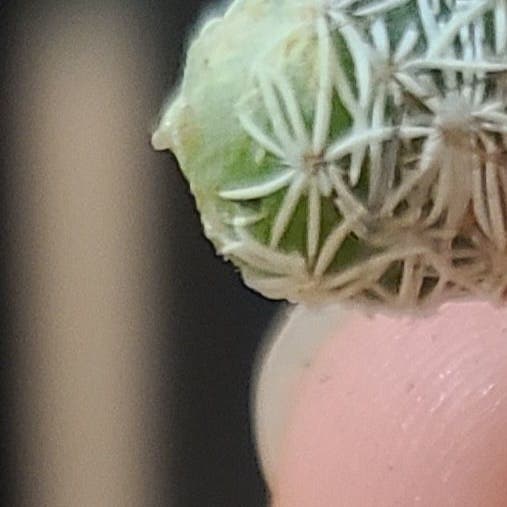
5 Tips for How to Plant Your Button Cactus 🌵
Coryphantha erecta
By the Greg Editorial Team
Sep 28, 2024•5 min read
This article was created with the help of AI so we can cover more plants for you. May contain errors. See one? Report it here.
- 🌱 Transplanting established Button Cacti is more economical than planting new ones.
- ☀️ Plant in spring for optimal growth; they need 6-8 hours of sunlight daily.
- 🪴 Use well-draining soil and terracotta pots to prevent root rot and promote health.
Planting vs. Transplanting
Key Considerations 🌱
When deciding between planting a new Button Cactus or transplanting an established one, cost is a significant factor. New plants often come with a higher initial price tag, while transplanting can save you money in the long run.
Time to maturity is another crucial aspect. Newly planted Button Cacti typically take longer to grow than their established counterparts, which can thrive more quickly in your garden.
Adaptability also plays a role in your decision. Established plants are generally better suited to local conditions, having already acclimated to the environment, while newly planted Button Cacti may require extra care to adjust.
Understanding these key considerations can help you make an informed choice that aligns with your gardening goals. Whether you opt for planting or transplanting, each method has its unique advantages and challenges.
Planting New Button Cactus
🌱 Optimal Timing for Planting
Spring and early summer are the best seasons to plant your Button Cactus. During these times, the weather is warm, promoting healthy growth.
Local climate can also influence your planting schedule. If you live in a region with extreme temperatures, consider waiting for milder conditions.
🪴 Selecting Soil Mix and Containers
For your Button Cactus, a well-draining succulent soil mix is essential. This type of soil prevents water retention, which can lead to root rot.
Terracotta pots are highly recommended for their breathability. They allow moisture to escape, keeping the roots healthy.
📏 Proper Depth and Spacing
When planting, aim for a depth of 1-2 inches. This ensures that the cactus is secure while allowing for proper growth.
Spacing is equally important; keep your Button Cactus 6-12 inches apart from other plants. This allows for airflow and reduces competition for nutrients.
☀️ Maintaining Ideal Growing Conditions
Your Button Cactus thrives in full sun exposure, requiring 6-8 hours of sunlight daily. Position it in a spot where it can soak up those rays.
Temperature preferences range from 70°F to 100°F (21°C to 38°C). Keeping your cactus within this range will promote optimal growth.
🌳 Hardening Off Process
The hardening off process is crucial for acclimatizing your cactus to outdoor conditions. This gradual exposure helps it adjust without shock.
Start by placing your cactus outside for 1-2 hours, gradually increasing the time over 7-10 days. This method ensures a smoother transition to its new environment.
With these tips, you're well on your way to successfully planting your Button Cactus. Next, let’s explore how to transplant an established cactus for optimal growth.
Transplanting Established Button Cactus
🌱 Optimal Timing for Transplanting
Transplanting your Button Cactus is best done in early spring or fall. These seasons provide optimal conditions for the plant to adjust to its new environment.
🛠️ Step-by-Step Instructions for Transplanting
Removing the Plant
- Water the plant a day before to ensure the soil is moist.
- Use gloves for safety to protect your hands from spines.
- Loosen soil around the base gently to avoid damaging roots.
- Lift the cactus carefully to prevent breakage.
Preparing the New Site
- Choose a well-draining location that receives full sun.
- Amend soil with sand or perlite to enhance drainage.
- Dig a hole twice the width of the root ball for ample space.
Ensuring Proper Placement and Spacing
Position your cactus at the same depth as previously planted to maintain stability. Ensure a spacing of 6-12 inches from other plants to allow for growth.
💧 Tips for Watering and Mulching
After transplanting, lightly soak the soil to help settle the roots. Consider using gravel or small stones as mulch to retain moisture and prevent weeds.
🏗️ Providing Support
If your cactus seems unstable, use stakes for support. Keep an eye out for any signs of leaning, which may indicate it needs additional reinforcement.
Transplanting can be a rewarding experience, allowing your Button Cactus to thrive in a new environment. With these steps, you’ll set your cactus up for success in its new home. Next, let’s explore troubleshooting common issues that may arise during this process.
Troubleshooting Common Issues
🌱 Understanding Transplant Shock
Transplant shock is a common issue that can affect your Button Cactus after moving it to a new location. Symptoms include wilting, yellowing, and stunted growth, signaling that your cactus is struggling to adapt.
To prevent transplant shock, ensure proper watering and care. Water the cactus adequately before and after transplanting, and avoid disturbing the roots too much during the process.
🛠️ Establishment Problems and Solutions
Establishing your Button Cactus can come with its own set of challenges. Common issues include root rot and inadequate sunlight, both of which can hinder growth.
To combat root rot, ensure your soil is well-draining and adjust your watering schedule. If your cactus isn't getting enough sunlight, consider relocating it to a brighter spot to promote healthy growth.
🐛 Other Common Issues
Pests and diseases can also pose threats to your Button Cactus. Regularly check for signs of infestations, such as discoloration or webbing, and take action promptly.
Monitoring your cactus during its establishment phase is crucial. This proactive approach helps you catch any issues early, ensuring your cactus thrives in its new environment.
With these troubleshooting tips, you can confidently nurture your Button Cactus and enjoy its beauty for years to come. Next, let’s explore how to provide the ideal growing conditions for your cactus.
⚠️ Safety First
This content is for general information and may contain errors, omissions, or outdated details. It is not medical, veterinary advice, or an endorsement of therapeutic claims.
Always consult a qualified healthcare professional before using any plant as food, medicine, or supplement.
Never eat any plant (or feed one to pets) without confirming its identity with at least two trusted sources.
If you suspect poisoning, call Poison Control (800) 222-1222, the Pet Poison Helpline (800) 213-6680, or your local emergency service immediately.
Spotted an error? Please report it here.
Plant your Button Cactus with confidence 🌵 by using Greg's tailored tips and reminders to ensure it flourishes in its new home!