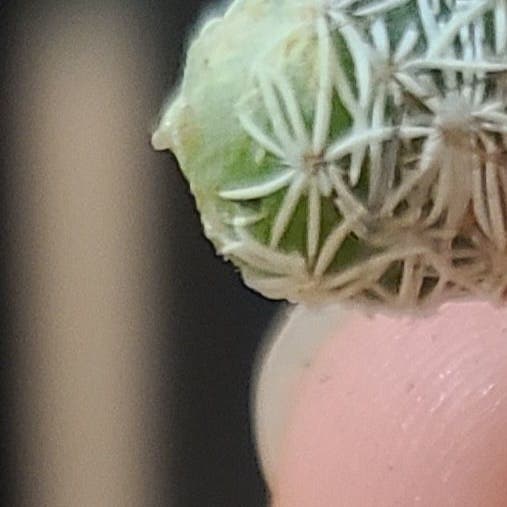
❄️ Ultimate Guide to Winter Care for Button Cactus
Coryphantha erecta
By the Greg Editorial Team
Sep 28, 2024•4 min read
This article was created with the help of AI so we can cover more plants for you. May contain errors. See one? Report it here.
- 💧 Water every 4-6 weeks in winter; ensure soil is dry before rewatering.
- ❄️ Protect from frost using barriers and relocate indoors during cold nights.
- 🌞 Provide 10-12 hours of bright, indirect sunlight for optimal winter growth.
Winter Care Requirements
🌊 Adjusting watering schedules
During winter, your button cactus needs less water. Aim to water it every 4-6 weeks, checking for soil dryness and observing the plant's appearance.
Overwatering is a common mistake that can lead to root rot, especially during dormancy. Keep an eye on your cactus; it will let you know when it’s thirsty.
🌱 Fertilizing practices
A general rule of thumb is to avoid fertilizing during the dormancy period. However, if you notice growth resuming, a light fertilization can be beneficial.
Be cautious with the type of fertilizers you use. High nitrogen fertilizers can be detrimental during this time, so opt for something more balanced.
☀️ Light requirements
Your button cactus thrives in bright, indirect sunlight. Aim for 10-12 hours of exposure daily to keep it healthy and happy.
If natural light is limited, consider using supplemental grow lights. This can make a significant difference in maintaining your cactus's vitality during the darker months.
With these winter care requirements in mind, your button cactus will be well-prepared to thrive until spring. Next, let’s explore effective frost protection strategies to keep your plant safe from the cold.
Frost Protection Strategies
🌨️ Methods to Protect from Frost
Frost can be a real threat to your button cactus, but there are effective ways to shield it. Start with physical barriers like frost cloths or blankets, which can trap warmth and protect your plants from icy winds.
Another strategy is relocating your cactus indoors or to a sheltered area during particularly cold nights. This simple move can make a significant difference in keeping your plant safe.
Don’t overlook mulching techniques either. Using materials like gravel or straw around the base can insulate the roots, providing an extra layer of protection against the cold.
❄️ Signs of Frost Damage
Recognizing frost damage early can save your cactus from long-term harm. Look for visual indicators such as discoloration, a mushy texture, or shriveling leaves, which signal that your plant is struggling.
Long-term effects of frost damage can include stunted growth or even death if not addressed promptly. If you notice these signs, take immediate action by assessing the damage and treating your frost-damaged plants accordingly.
Understanding these protective measures and signs of damage will help you keep your button cactus thriving through the winter months. Next, let’s explore the best indoor care practices to ensure your cactus remains healthy and vibrant.
Indoor Winter Care
Best indoor conditions 🌵
To keep your button cactus thriving indoors during winter, aim for a temperature range of 15°C to 24°C (59°F to 75°F). Maintaining low humidity is crucial to prevent rot, so keep an eye on those moisture levels.
Good airflow around your plant is essential. Stagnant air can lead to problems, so ensure your cactus has plenty of space to breathe.
Tips for maintaining conditions 🛠️
Consider using humidity trays to create a microclimate that benefits your cactus. These trays can help maintain the right moisture levels without overwhelming your plant.
Avoid placing your cactus near drafts, such as windows and doors. This will help protect it from sudden temperature changes that could stress it out.
Lastly, monitoring temperature with thermometers can provide peace of mind. Keeping a close watch on your indoor environment ensures your cactus remains in its ideal conditions.
Transitioning to spring care is just around the corner, so stay tuned for tips on preparing your button cactus for the warmer months ahead!
Spring Preparation and Recovery
🌱 Signs of Recovery
As winter fades, your button cactus will show signs of recovery. Look for new growth, a firm texture, and vibrant color to indicate that your plant is thriving again.
It's also crucial to monitor for pests during this period. As growth resumes, pests may become more active, so keep a close eye on your cactus.
🌼 Preparing for Spring Growth
To prepare your cactus for spring, gradually reintroduce it to outdoor conditions. Timing is key; wait until temperatures are consistently warm before moving it outside.
Adjust your watering schedule as temperatures rise. Increase the frequency to keep your cactus hydrated, but avoid overwatering.
When it comes to fertilization, resume feeding only when you see active growth. Start with a balanced fertilizer, avoiding high nitrogen options that can harm your plant.
🌞 Transitioning Back Outdoors
Timing is everything for outdoor placement. Wait until after the last frost date to ensure your cactus is safe from cold damage.
The acclimatization process is essential. Gradually expose your cactus to sunlight and wind to help it adjust without shock.
Finally, ensure ideal outdoor conditions. Your button cactus thrives in full sun and well-draining soil, so choose a suitable spot to promote healthy growth.
With these steps, your button cactus will be well-prepared for the vibrant growth of spring. Transitioning from winter care to outdoor life can be a rewarding journey for both you and your plant.
⚠️ Safety First
This content is for general information and may contain errors, omissions, or outdated details. It is not medical, veterinary advice, or an endorsement of therapeutic claims.
Always consult a qualified healthcare professional before using any plant as food, medicine, or supplement.
Never eat any plant (or feed one to pets) without confirming its identity with at least two trusted sources.
If you suspect poisoning, call Poison Control (800) 222-1222, the Pet Poison Helpline (800) 213-6680, or your local emergency service immediately.
Spotted an error? Please report it here.
Keep your button cactus thriving this winter ❄️ with Greg's tailored reminders for watering and light, ensuring it gets the care it needs to flourish!